Federal Energy Regulatory Commission (FERC)
The Federal Energy Regulatory Commission is an independent agency that regulates the interstate transmission of electricity, natural gas and oil; reviews proposals to build LNG terminals and interstate natural gas pipelines; and licenses hydropower projects. FERC also oversees operations of regional wholesale electricity and natural gas markets and oversees the reliability of the bulk electric system.
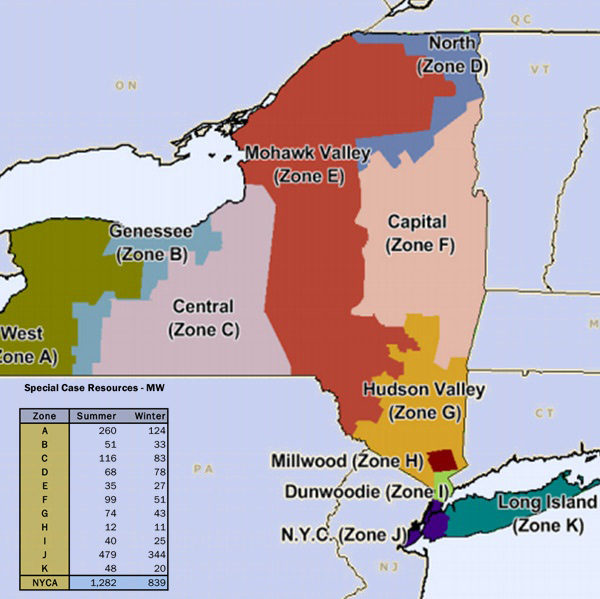
FERC partly accepted NYISO’s compliance filing on buyer-side market power mitigation rules, denying a waiver and rejecting the ISO’s arguments on Tariff language.

PJM and its Monitor shared with stakeholders their proposals for responding to FERC’s directive that state default service auctions be subject to the MOPR.
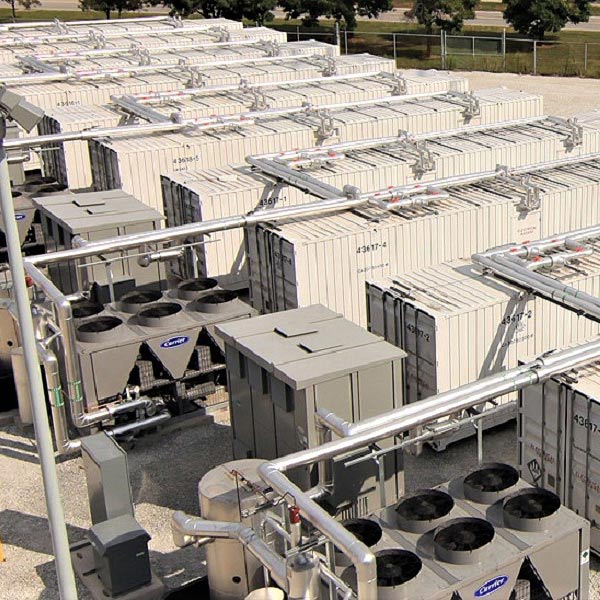
The D.C. Circuit Court of Appeals seemed unconvinced by arguments that FERC exceeded its jurisdiction by refusing to let states opt out of Order 841.

FERC extended the deadline for comments in a high-stakes dispute that could end net metering until June 15.

MISO defended its first storage-as-transmission proposal, maintaining the plan is a good interim measure while the RTO designs a permanent approach.

Emboldened by its victory in an affiliate case involving Goldman Sachs, Public Citizen asked FERC to reconsider a ruling involving JPMorgan Chase.
PG&E Corp. said as part of its first-quarter earnings report that 11 of its 14 directors would be leaving its board.
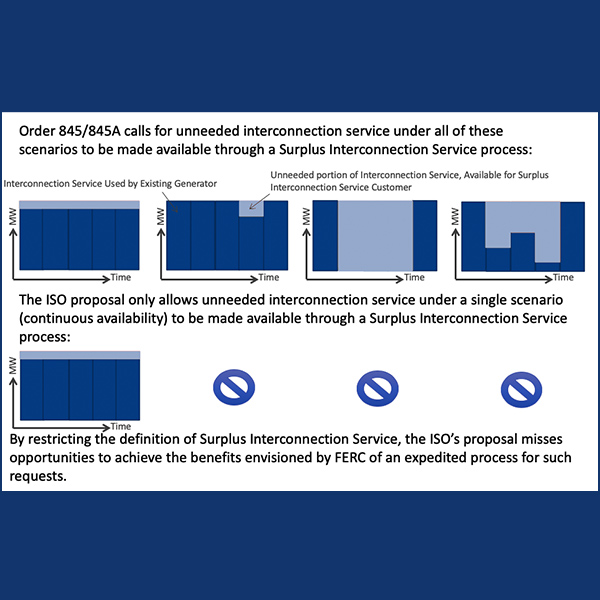
NEPOOL participants seem to be in “overall agreement” with ISO-NE’s approach to finalizing compliance with FERC Order 845.

PJM shared its initial response to FERC’s April 16 rehearing orders on the MOPR, which required the RTO to make an additional compliance filing by June 1.
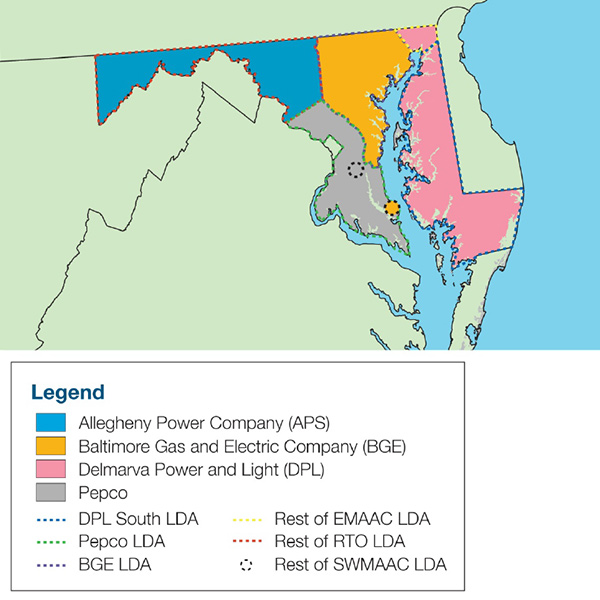
PJM’s Monitor defended a conclusion that ratepayers are likely to see cost increases in jurisdictions that exit the capacity market and adopt the FRR option.
Want more? Advanced Search