Federal Energy Regulatory Commission (FERC)
The Federal Energy Regulatory Commission is an independent agency that regulates the interstate transmission of electricity, natural gas and oil; reviews proposals to build LNG terminals and interstate natural gas pipelines; and licenses hydropower projects. FERC also oversees operations of regional wholesale electricity and natural gas markets and oversees the reliability of the bulk electric system.
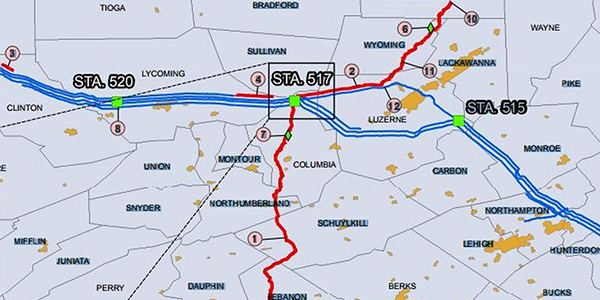
The D.C. Circuit Court spent three and a half hours grilling attorneys in a case that could decide whether FERC is allowed to issue tolling orders.
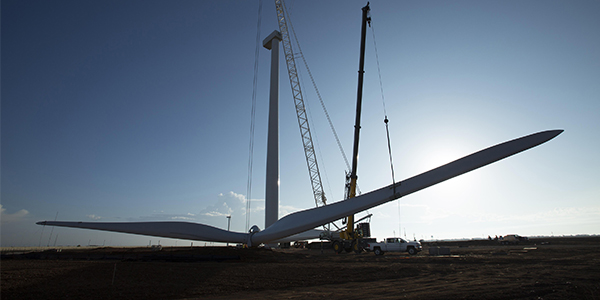
FERC rejected generator interconnection agreements with four wind farms filed by SPP, finding that the RTO had not shown them to be just and reasonable.
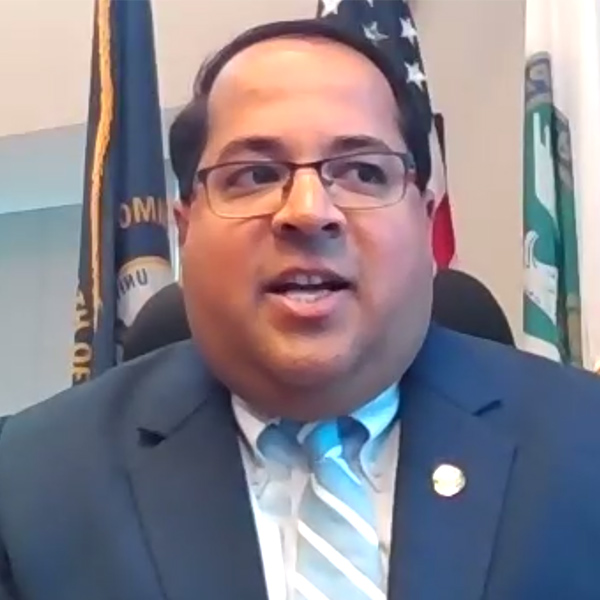
FERC's Neil Chatterjee is considering how the electric industry will adjust when stay at home orders end, he said during a chat with the Atlantic Council.
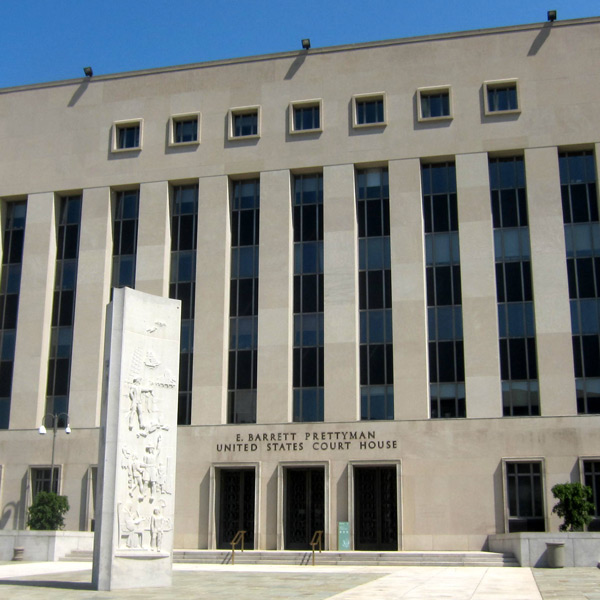
The battle over FERC’s order expanding PJM’s minimum offer price rule moved to federal court as environmental groups, cooperatives and regulators filed petitions.

FERC ended its refereeing in a battle over cost allocation of the $266.5M Artificial Island stability project, PJM’s first Order 1000 transmission project.

FERC partially approved Golden Spread Electric Coop’s Order 845 compliance filing but directed them to make another proving compliance within 120 days.
FERC granted NYISO a waiver of the Tariff language defining a public power entity, extending the definition to cover any government entity.
FERC reversed one part of a decision on the long-disputed bandwidth calculation Entergy used to equalize production costs among its operating companies.
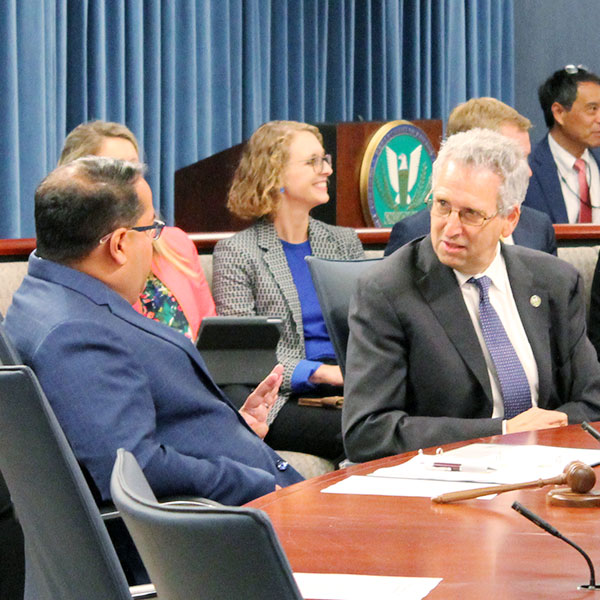
FERC clarified voluntary renewable energy credits and participation in RGGI will not subject capacity resources to PJM’s expanded minimum offer price rule.
FERC rejected ISO-NE’s request to rehear its decision requiring the RTO to revise its energy storage rules to account for a resource’s state of charge in the day-ahead market.
Want more? Advanced Search