Federal Energy Regulatory Commission (FERC)
The Federal Energy Regulatory Commission is an independent agency that regulates the interstate transmission of electricity, natural gas and oil; reviews proposals to build LNG terminals and interstate natural gas pipelines; and licenses hydropower projects. FERC also oversees operations of regional wholesale electricity and natural gas markets and oversees the reliability of the bulk electric system.
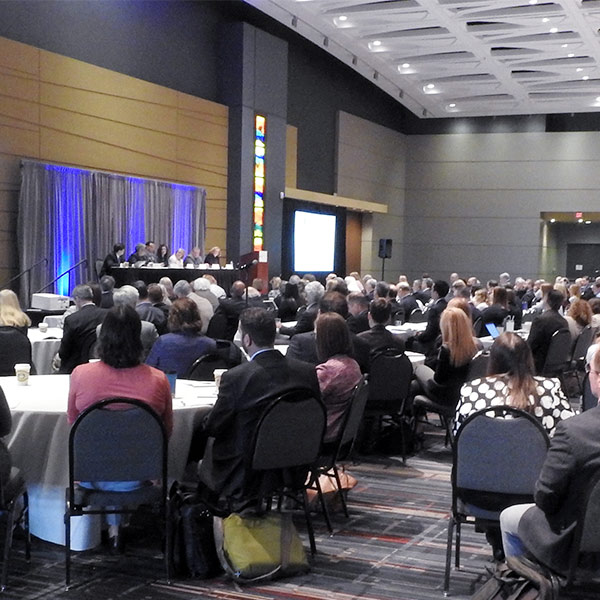
At NECPUC's annual symposium, regulators said they are struggling to deal with how rapidly public policy is transforming the region’s electricity markets.
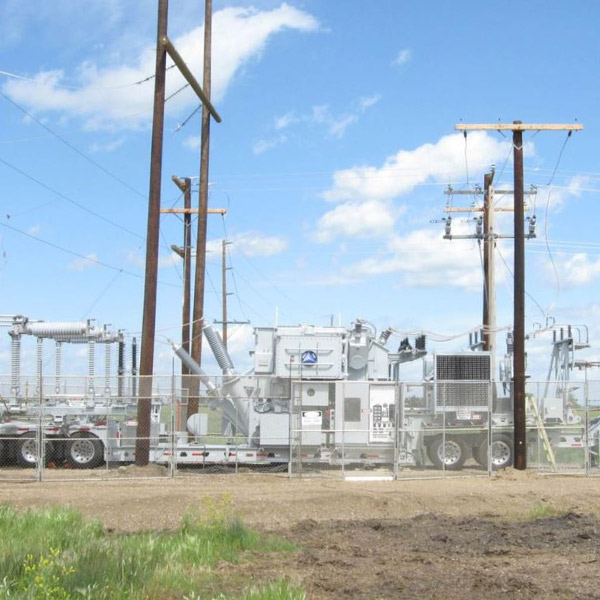
FERC Chairman Neil Chatterjee’s suggestion that incentives may be needed to encourage investments in infrastructure security received a mixed reaction.

FERC rejected a contested offer of settlement on network service rates for a group of New England transmission owners (NETOs).
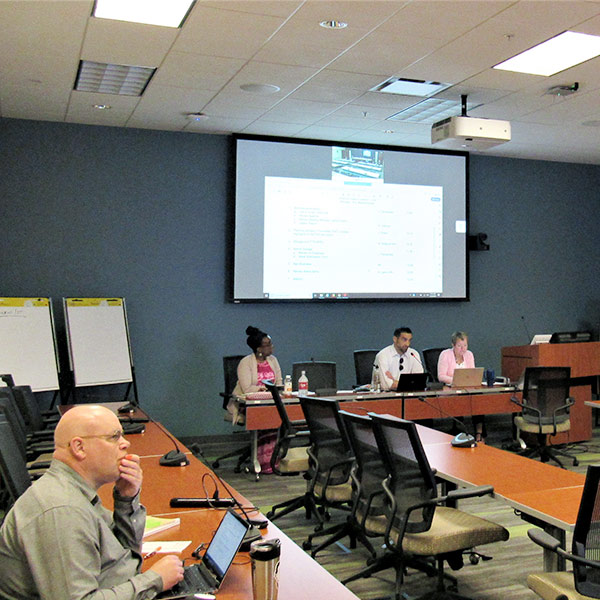
MISO is pondering whether to amend its Order 841 compliance filing after FERC rejected multiple requests to alter the landmark energy storage order.
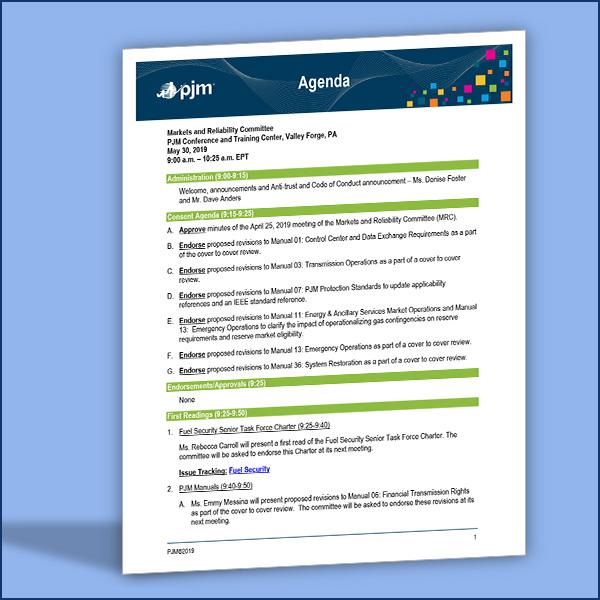
A summary of the issues scheduled to be brought to a vote at the PJM Markets and Reliability Committee on May 30, along with readings and discussion issues.
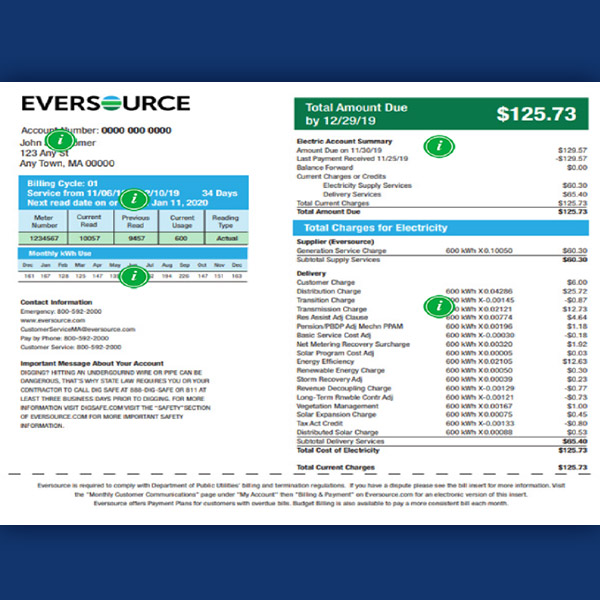
Eversource Energy is opposing ISO-NE's plan to allow generators to recover costs of NERC critical infrastructure protection requirements through transmission rates.
FERC terminated its investigations into the tax calculations included in transmission rates after several MISO transmission owners made compliance filings.
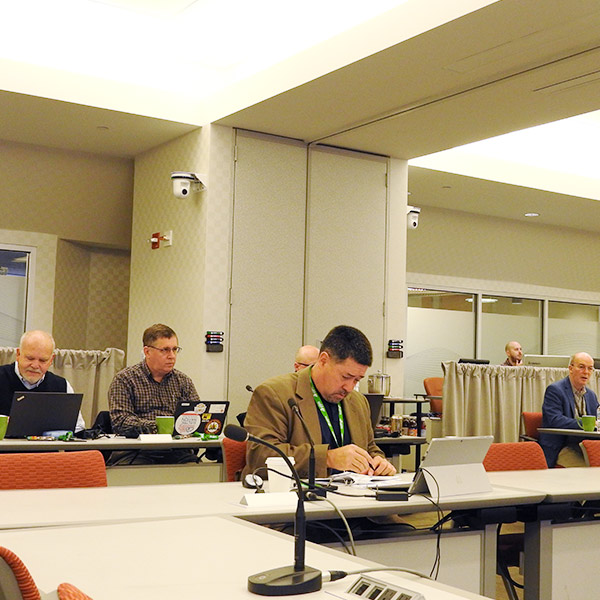
PJM asked for feedback about how to reshape its gas pipeline contingency plan, three months after FERC turned it down for lacking specificity and clarity.

FERC rescinded its policy of allowing its Office of Enforcement to publicly disclose investigations of possible misconduct and subjects’ identities.
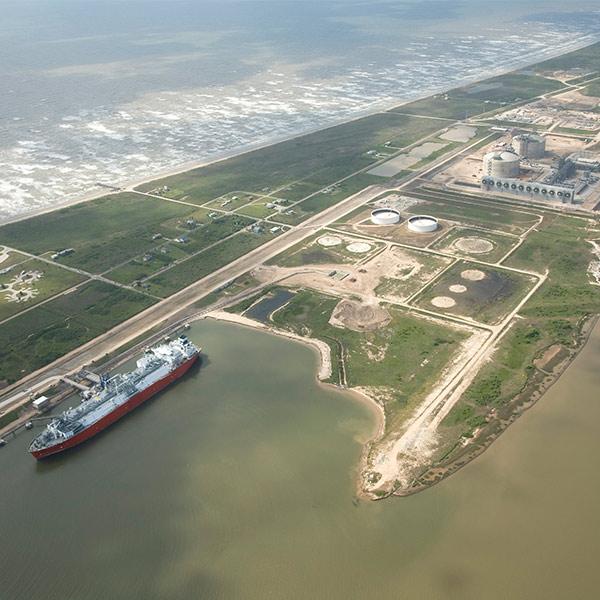
FERC voted 3-1 to approve the construction of a fourth liquefaction unit at the Freeport LNG export terminal in Brazoria County, Texas.
Want more? Advanced Search