Federal Energy Regulatory Commission (FERC)
The Federal Energy Regulatory Commission is an independent agency that regulates the interstate transmission of electricity, natural gas and oil; reviews proposals to build LNG terminals and interstate natural gas pipelines; and licenses hydropower projects. FERC also oversees operations of regional wholesale electricity and natural gas markets and oversees the reliability of the bulk electric system.
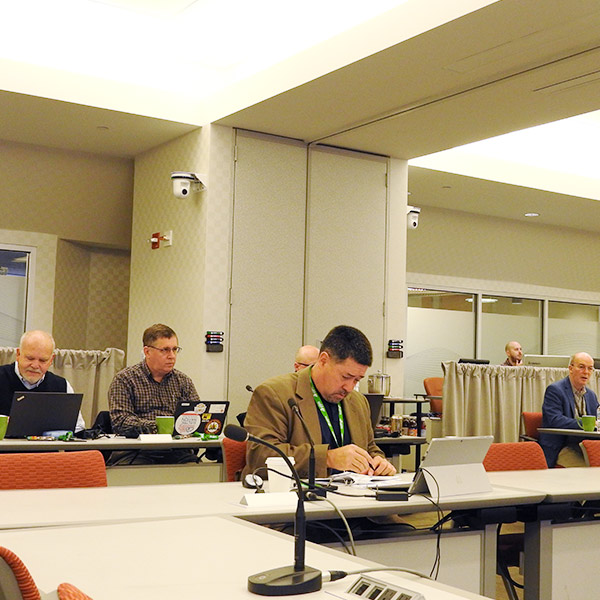
PJM asked for feedback about how to reshape its gas pipeline contingency plan, three months after FERC turned it down for lacking specificity and clarity.
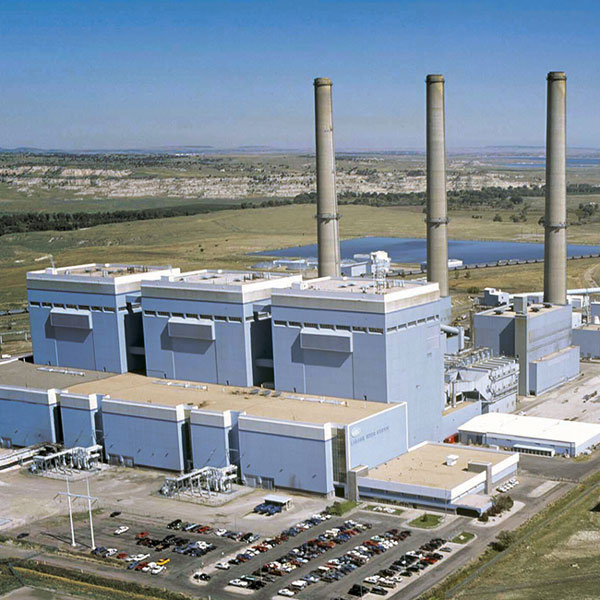
The D.C. Circuit rejected Missouri River Energy Services' rehearing requests following a determination that SPP could charge for certain transmission fees.
FERC proposed adopting the North American Energy Standards Board’s Standards for Business Practices and Communication Protocols for Public Utilities.
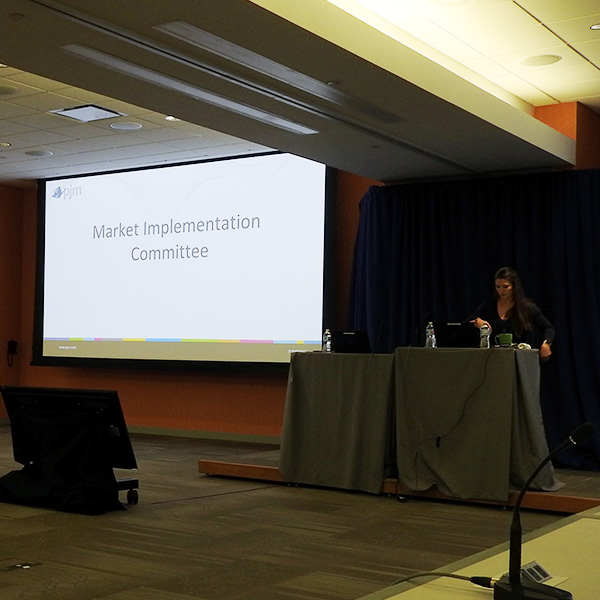
The PJM Market Implementation Committee discussed capacity interconnection rights, carbon pricing, the RTO's market seller offer cap, and more.
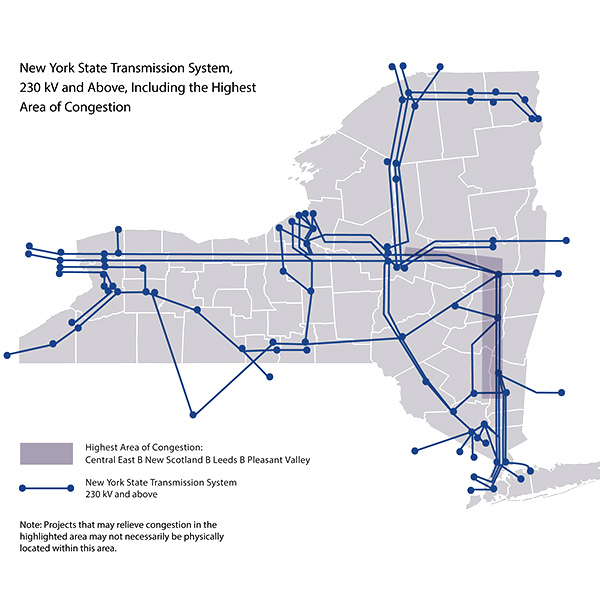
FERC granted LS Power Grid New York’s request for an abandoned plant incentive for a transmission project approved by NYISO.
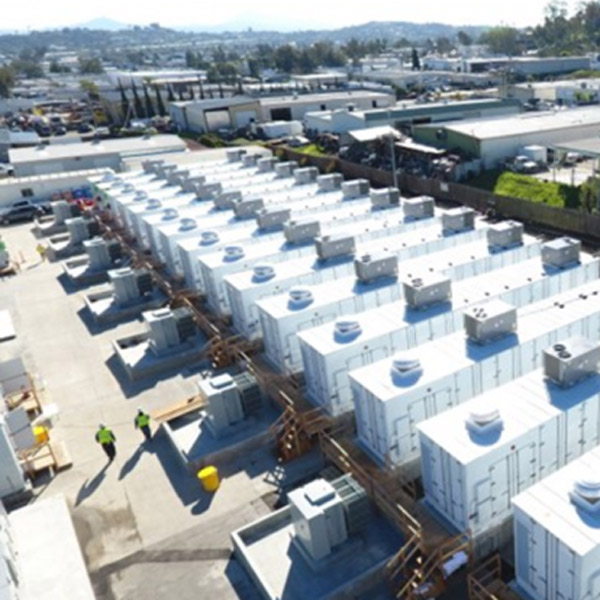
FERC upheld its landmark electric storage order, prompting a dissent from Commissioner Bernard McNamee over its refusal to allow states to opt out.
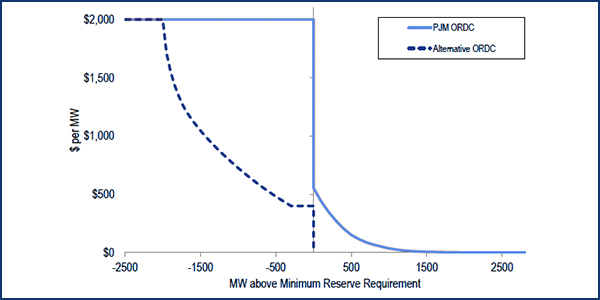
PJM's price formation proposal won backing from generators, but Maryland regulators and the Market Monitor asked FERC to reject it.
MISO plans to refile a revised version of a plan to speed up its current 500-day interconnection queue process after FERC rejected its first attempt.
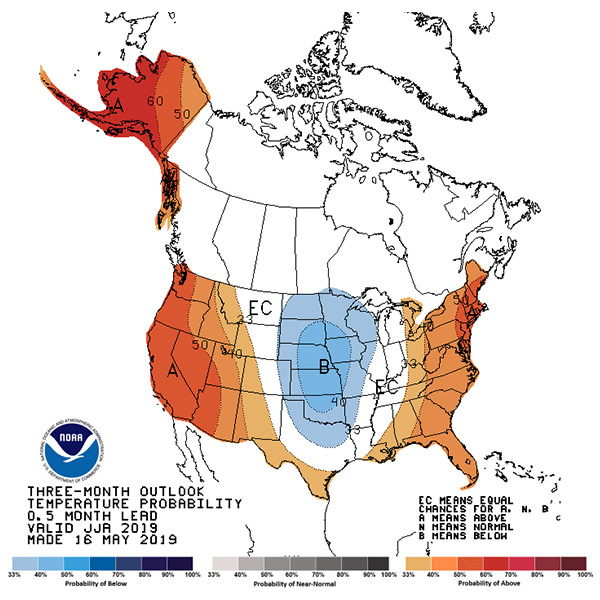
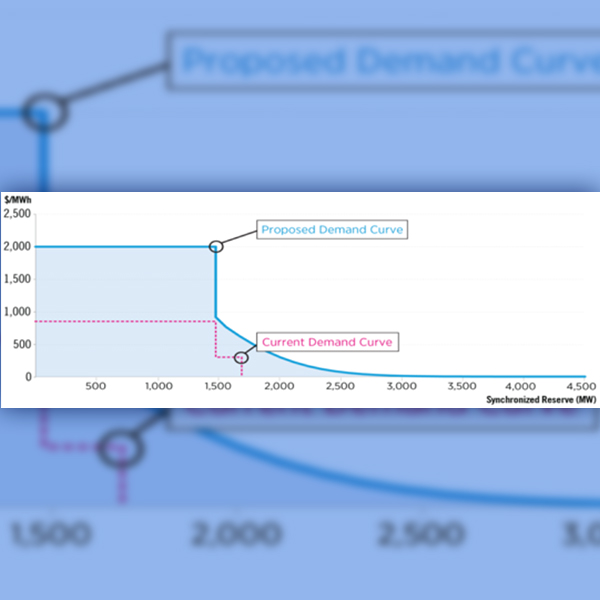
ERCOT’s low reserve margin sticks out when compared to those of most other regions in the U.S., where their reserves are well above their reference levels.
Jennifer Chen of Duke University's Nicholas Institute, argues that PJM's proposed revisions would increase carbon emissions and costs to consumers.
Want more? Advanced Search