Federal Energy Regulatory Commission (FERC)
The Federal Energy Regulatory Commission is an independent agency that regulates the interstate transmission of electricity, natural gas and oil; reviews proposals to build LNG terminals and interstate natural gas pipelines; and licenses hydropower projects. FERC also oversees operations of regional wholesale electricity and natural gas markets and oversees the reliability of the bulk electric system.
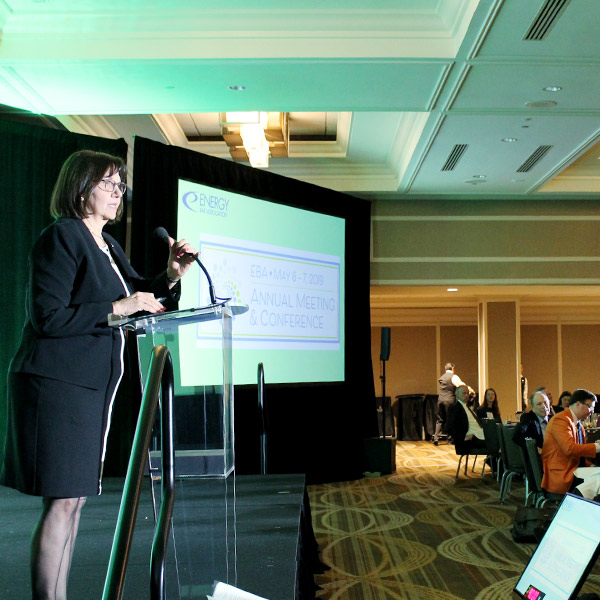
FERC Commissioner Cheryl LaFleur provided a clip show of anecdotes from her tenure, giving attendees of the EBA’s annual meeting an insider’s view.
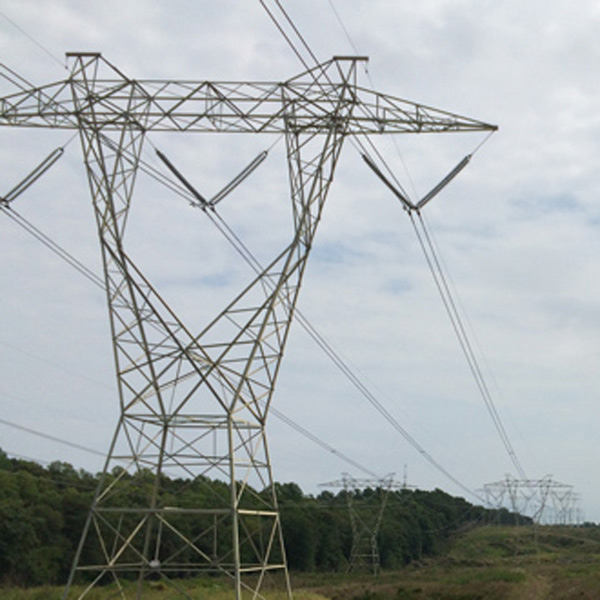
FERC ordered PJM to revise its Tariff to comply with interconnection procedures that the commission established more than 15 years ago.
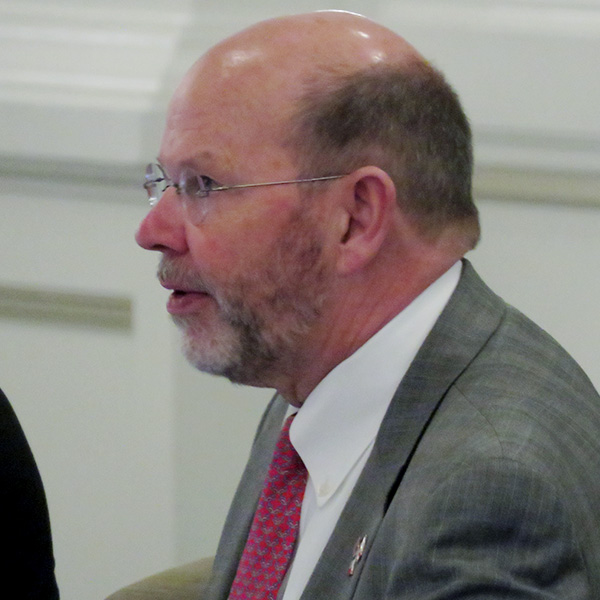
The NERC Board of Trustees approved a supply chain report and a new standard on third-party transient electronic devices while eliminating 84 requirements.
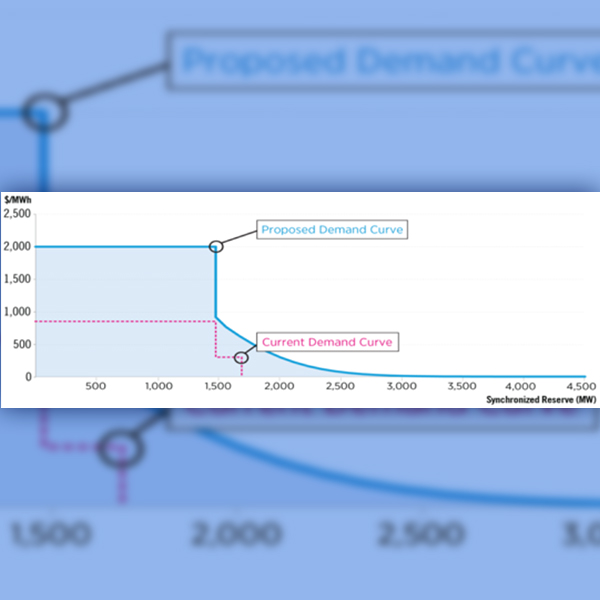
Jennifer Chen of Duke University's Nicholas Institute, argues that PJM's proposed revisions would increase carbon emissions and costs to consumers.
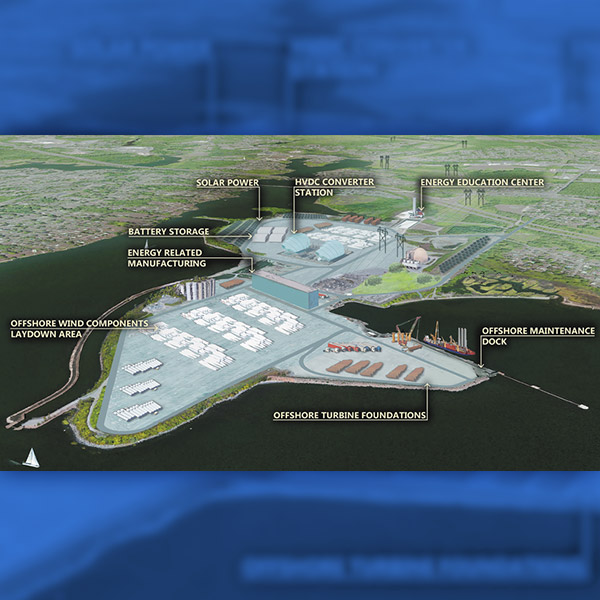
Anbaric will spend $650 million to build a delivery hub for offshore wind at Brayton Point, the former site of New England’s largest coal plant.

Attendees at a Mexican power market workshop discussed the woes wrought on the market since President Andrés Manuel López Obrador took over last year.
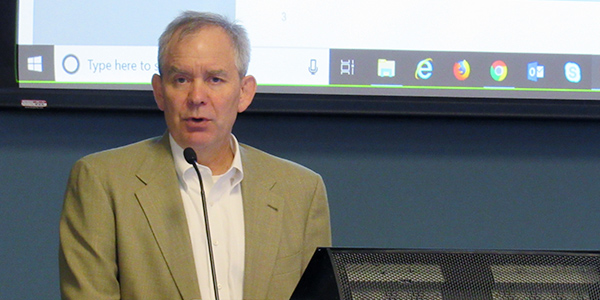
MISO plans to have a market participation model for energy storage resources in place by 2021, having filed a request for delay of FERC’s deadline.
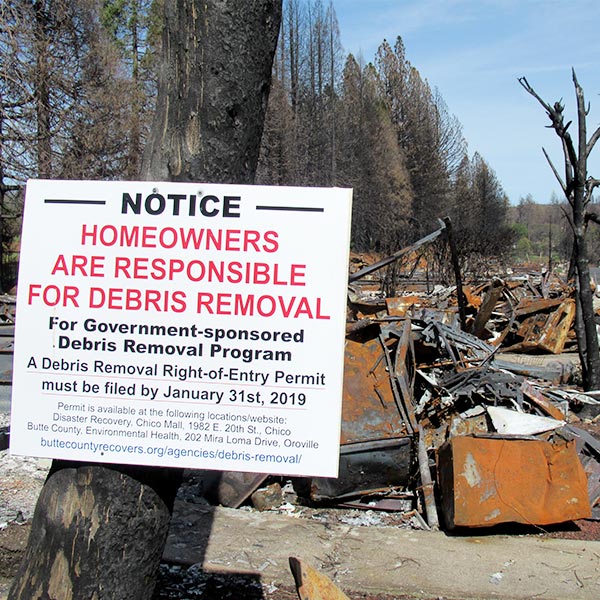
PG&E Corp. came under criticism from a federal judge, who ordered its new CEO and board members to view the scene of the devastating Camp Fire.
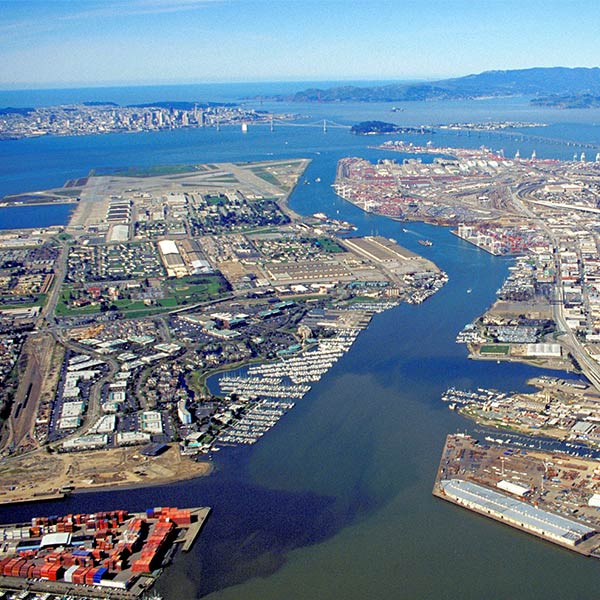
FERC denied a request for rehearing by the city of Oakland against Pacific Gas and Electric for charging retail instead of wholesale rates.
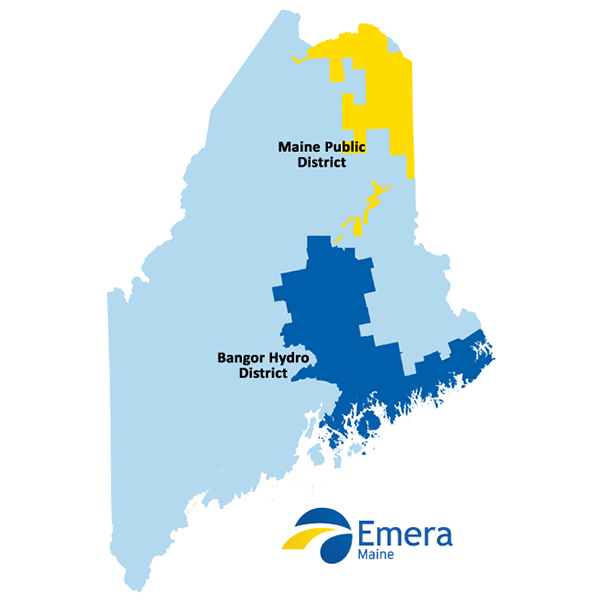
FERC established settlement judge procedures for four challenges to Emera Maine’s proposed transmission rate, summarily deciding on four other challenges and ordering the utility to make a compliance filing.
Want more? Advanced Search