Federal Energy Regulatory Commission (FERC)
The Federal Energy Regulatory Commission is an independent agency that regulates the interstate transmission of electricity, natural gas and oil; reviews proposals to build LNG terminals and interstate natural gas pipelines; and licenses hydropower projects. FERC also oversees operations of regional wholesale electricity and natural gas markets and oversees the reliability of the bulk electric system.

PJM’s Independent Market Monitor asked FERC to order changes to the RTO’s Capacity Performance assumptions, saying the current rules allow sellers to exercise market power.
Transmission owners told PJM its rules for supplemental projects satisfy the RTO’s obligation as a regional planner, despite protests.
FERC approved changes to CAISO’s Tariff that describe practices already employed to balance supply and demand in the day-ahead and real-time markets.
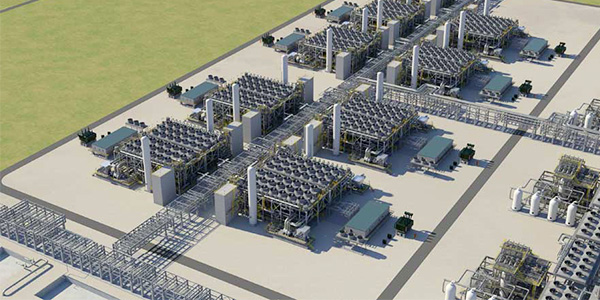
Democrat Cheryl LaFleur joined FERC’s 2 Republicans to approve the Calcasieu Pass LNG export terminal, signaling a compromise on how to compute greenhouse gas emissions.
FERC again denied Vermont Transco permission to embed transmission acquisition costs in its rate recovery through the ISO-NE Tariff.
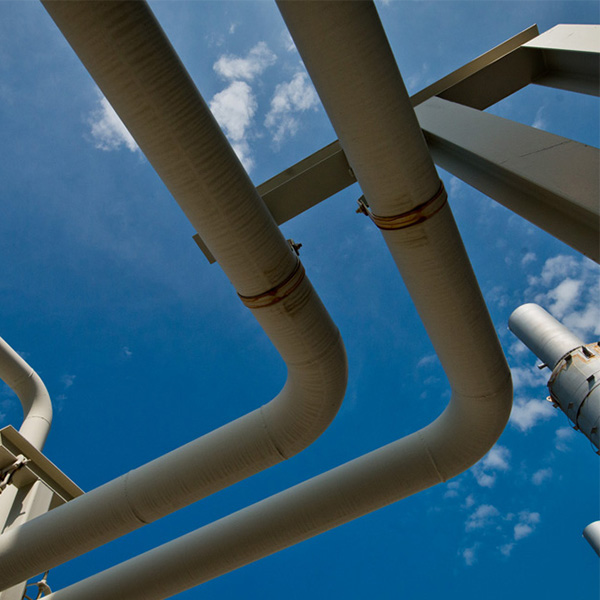
FERC said PJM’s proposal for reimbursing generators for fuel-switching costs and penalties incurred when gas pipelines fail lacked specificity and clarity.

FERC on Thursday issued a ruling clarifying Order 845, the commission’s 2018 directive to improve the generator interconnection process.

FERC approved a MISO proposal requiring owners of load-modifying resources to provide clearly documented commitments regarding their availability before participating in the capacity market.
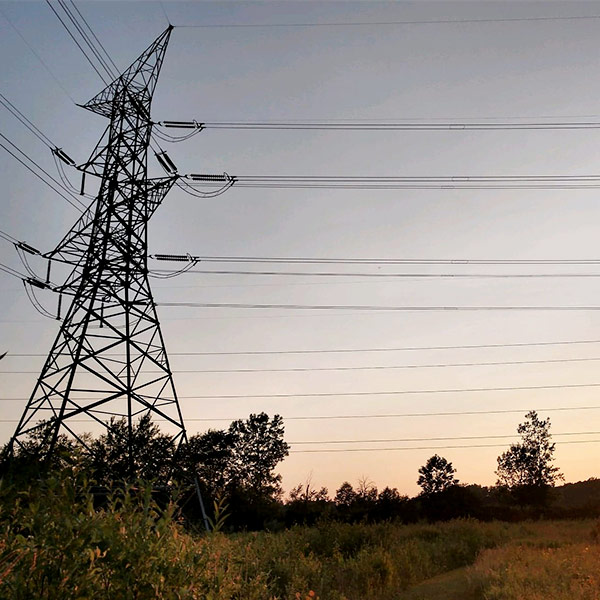
PJM will extend the submission window for long-term projects an additional two weeks to account for recent transmission planning rule changes.
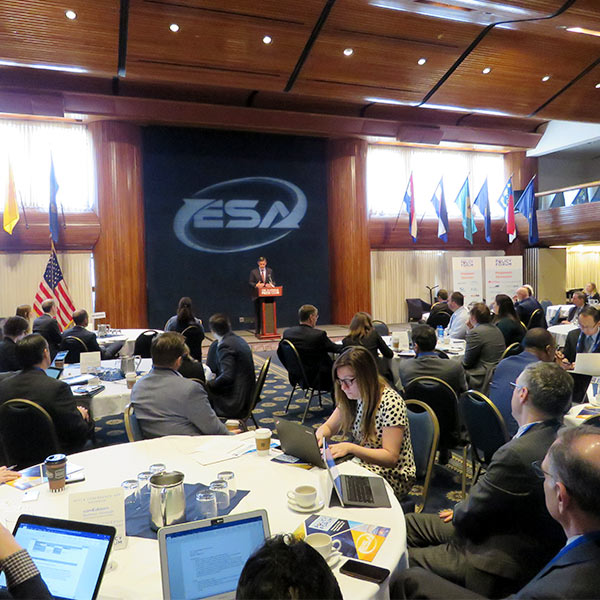
Declining costs and new market rules are opening opportunities for energy storage, but the technology’s operating characteristics are challenging RTOs.
Want more? Advanced Search