Federal Energy Regulatory Commission (FERC)
The Federal Energy Regulatory Commission is an independent agency that regulates the interstate transmission of electricity, natural gas and oil; reviews proposals to build LNG terminals and interstate natural gas pipelines; and licenses hydropower projects. FERC also oversees operations of regional wholesale electricity and natural gas markets and oversees the reliability of the bulk electric system.

The Senate Energy and Natural Resources Committee worries FERC and NERC are not treating cyberattack threats on energy infrastructure with enough urgency.
The federal judge overseeing Pacific Gas and Electric’s bankruptcy case suggested he might prohibit the utility’s electricity suppliers from seeking FERC’s help with disputed contracts.
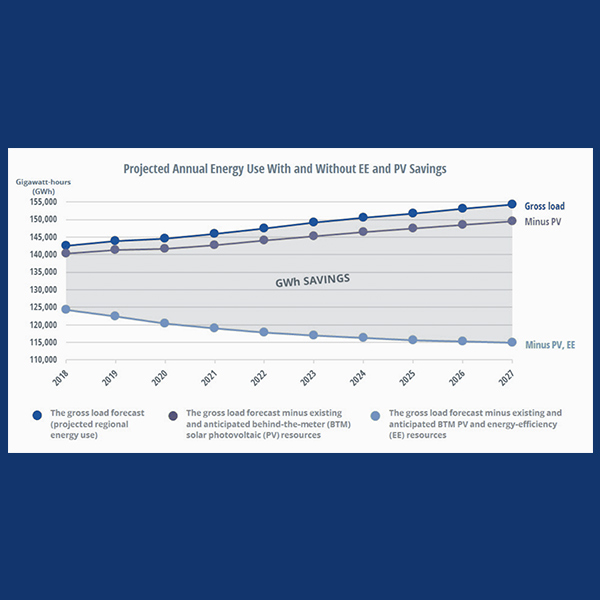
Two groups petitioned FERC for a declaratory order regarding ISO-NE’s possible attempt to impact the eligibility of energy efficiency capacity resources.
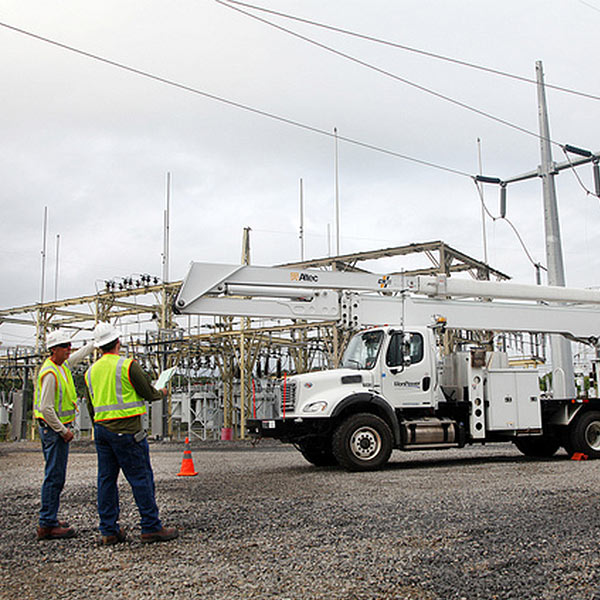
FERC approved PJM’s revisions to its market efficiency planning rules, despite protests from developers that the changes will underestimate needs and costs.

FERC Commissioner Richard Glick provided some insight into the “vigorous debate” over natural gas pipeline approvals that has divided the commission.
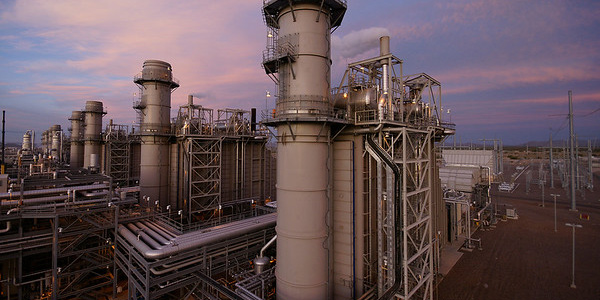
FERC approved an agreement between CAISO and the Salt River Project that establishes the rules governing the utility’s participation in the Western EIM.
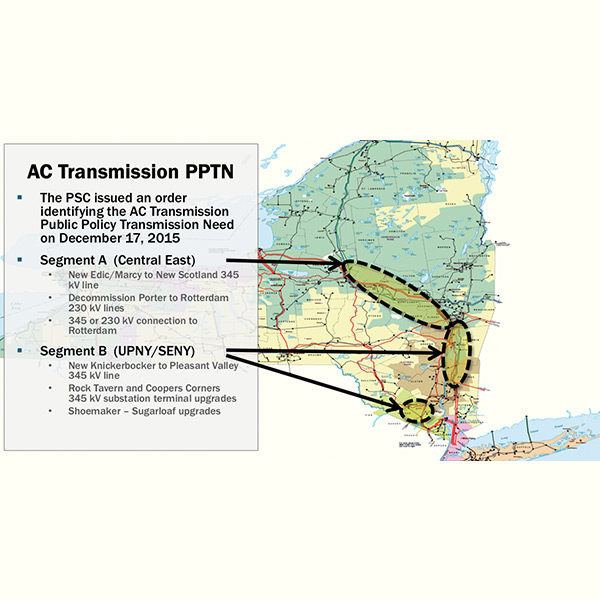
FERC approved NYISO’s proposed Tariff revisions “to clarify, streamline and enhance” its public policy transmission planning process.
FERC declined to hear a complaint against the New Mexico Public Regulation Commission to clarify when the Public Utility Regulatory Policies Act kicks in.
© RTO Insider
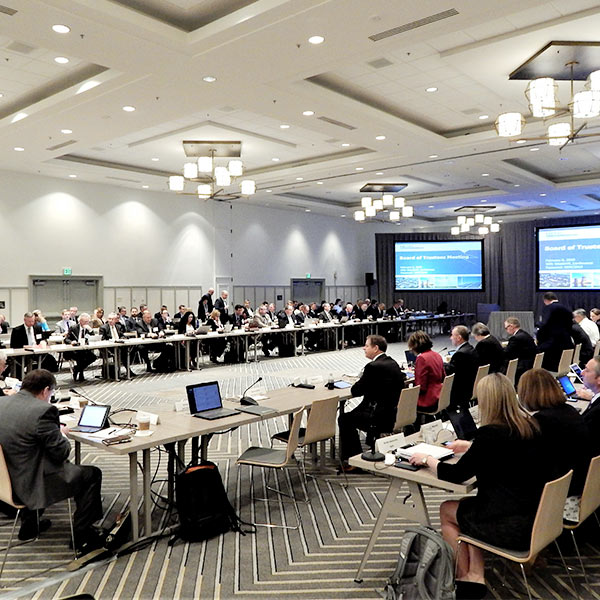
The NERC Board of Trustees authorized management to terminate the agreement between the organization and the Florida Reliability Coordinating Council.
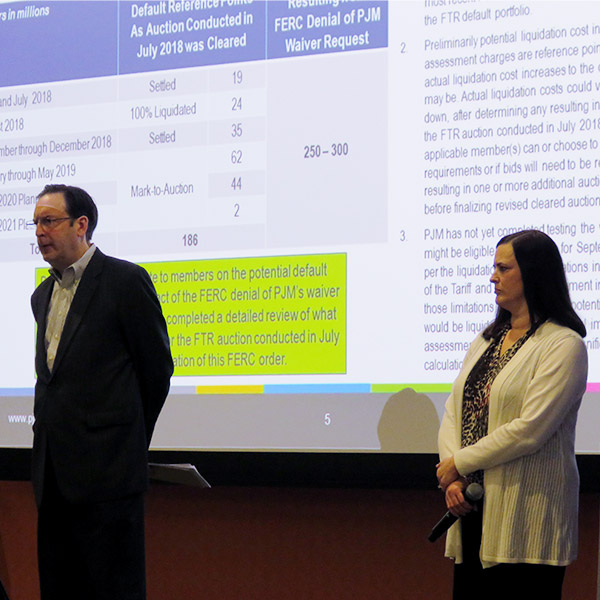
PJM won’t act on FERC’s order to rerun its July 2018 financial transmission rights auction unless the commission denies the RTO’s planned motion for a stay.
Want more? Advanced Search