Federal Energy Regulatory Commission (FERC)
The Federal Energy Regulatory Commission is an independent agency that regulates the interstate transmission of electricity, natural gas and oil; reviews proposals to build LNG terminals and interstate natural gas pipelines; and licenses hydropower projects. FERC also oversees operations of regional wholesale electricity and natural gas markets and oversees the reliability of the bulk electric system.
PJM
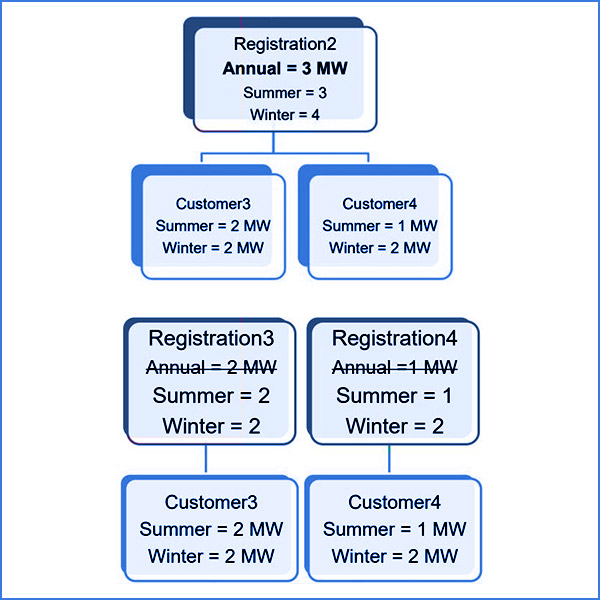
FERC approved PJM’s proposal to change how it measures seasonal demand response resources, rejecting a protest by the Independent Market Monitor.
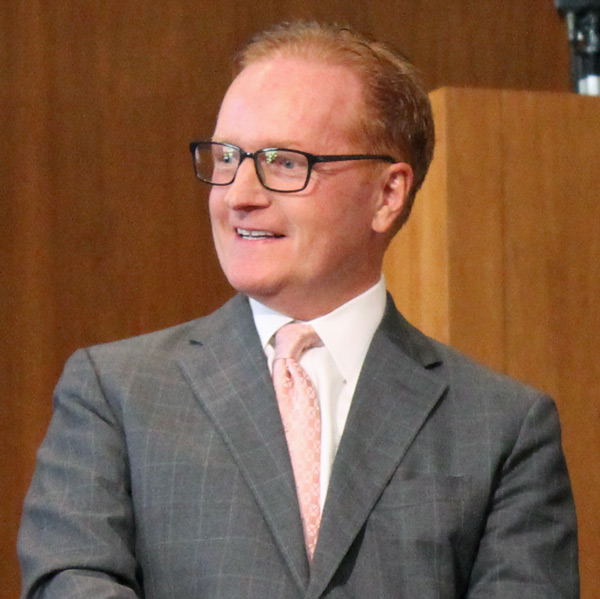
Former FERC Chairman Kevin J. McIntyre died Wednesday following an 18-month battle with a brain tumor that had sidelined him since last summer.
FERC
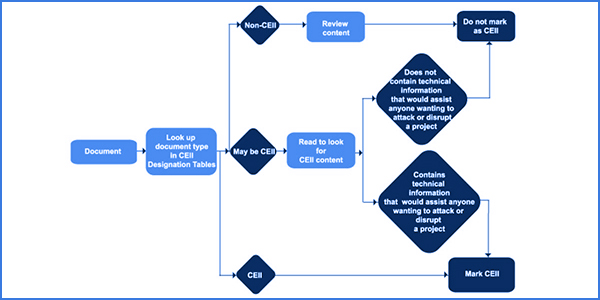
Critics said the U.S. DOE’s proposal for designating electric infrastructure information could be a Trojan horse to subsidize coal and nuclear power.
Cal Fire
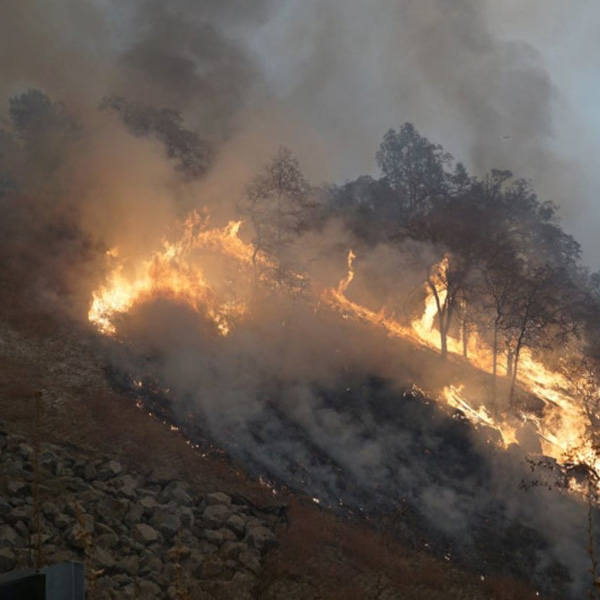
2018 brought chilling warnings about the growing dangers of climate change, but President Trump continued to question the reality of a warming planet.
© RTO Insider
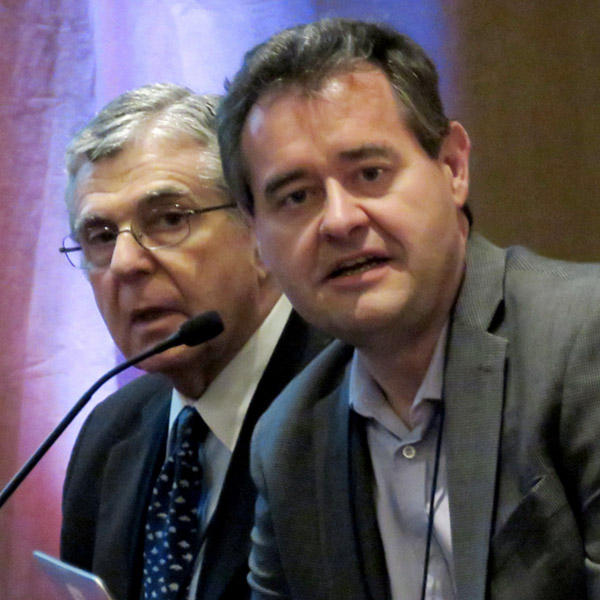
In many ways, PJM's 2018 was much like years before, with capacity and energy market rules under constant redesign. Some stakeholders have grown weary of the churn.
© RTO Insider
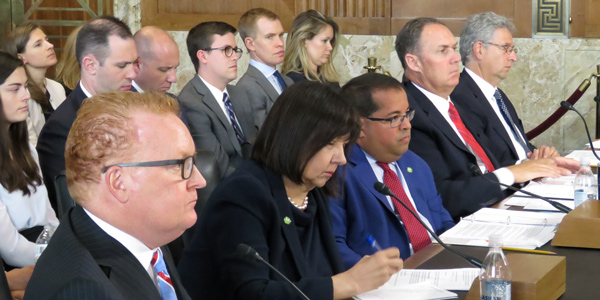
FERC begins 2019 with a new chairman and renewed questions about whether it will resist President Trump's efforts to deliver on his pledges to coal.
ISO-NE
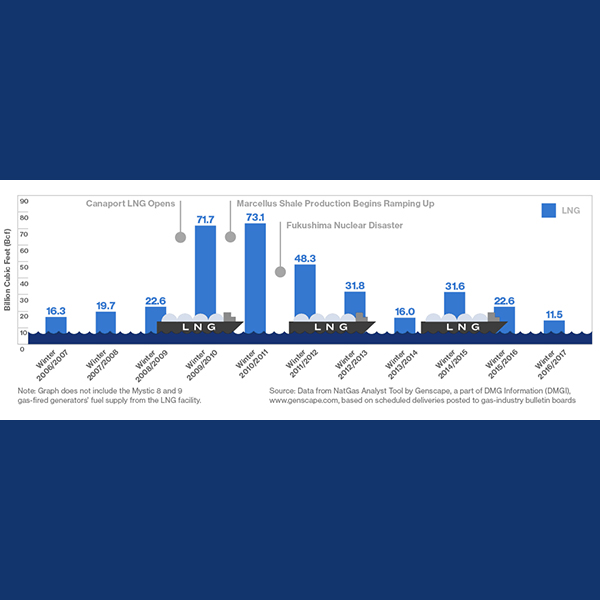
Despite a few bumps, scrapes and scares throughout the year, ISO-NE delivered on time by dispatching key market initiatives.
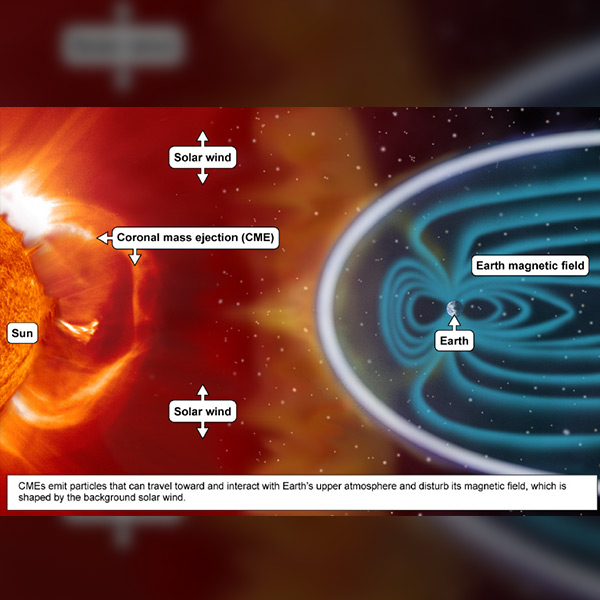
GAO-19-98
A GAO report on geomagnetic disturbances (GMDs) found a lack of consensus on how much of a risk they pose to U.S. electric grid reliability.

FERC acted on tariff filings by more than a dozen transmission owners to correct how they calculate accumulated deferred income tax balances.
© RTO Insider
FERC proposed to exempt market participants in ISO-NE, MISO, NYISO and PJM from its indicative horizontal market power screens.
Want more? Advanced Search