Federal Energy Regulatory Commission (FERC)
The Federal Energy Regulatory Commission is an independent agency that regulates the interstate transmission of electricity, natural gas and oil; reviews proposals to build LNG terminals and interstate natural gas pipelines; and licenses hydropower projects. FERC also oversees operations of regional wholesale electricity and natural gas markets and oversees the reliability of the bulk electric system.

© RTO Insider
The U.S. Senate voted 50-49 on Thursday to confirm Bernard McNamee as a FERC commissioner, restoring the commission to full strength.
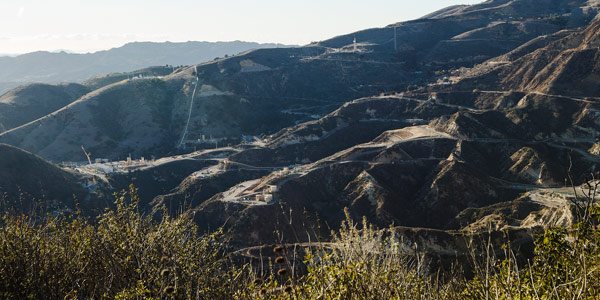
California Department of Emergency Services
FERC approved the extension of most of CAISO’s proposals to address reliability concerns posed by the Aliso Canyon natural gas storage facility.
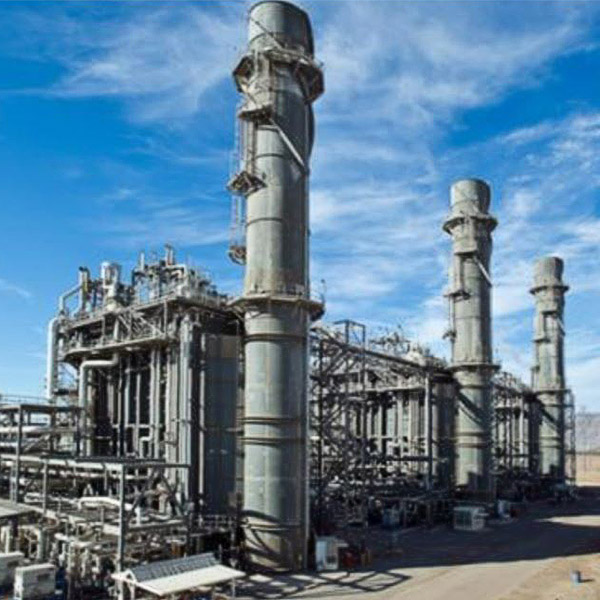
Saavi Energia
FERC rejected Baja California Power’s request to guarantee debt its parent company took on to purchase InterGen’s Mexico assets.
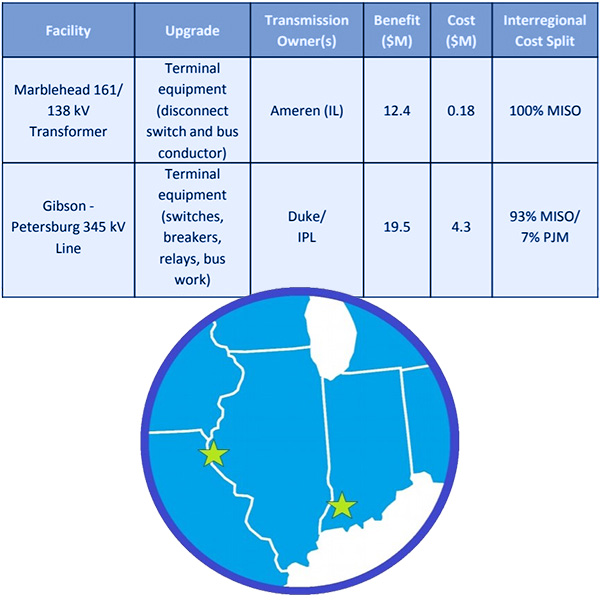
MISO had its revised cost allocation proposal for the RTO’s targeted market efficiency projects with PJM approved by FERC.
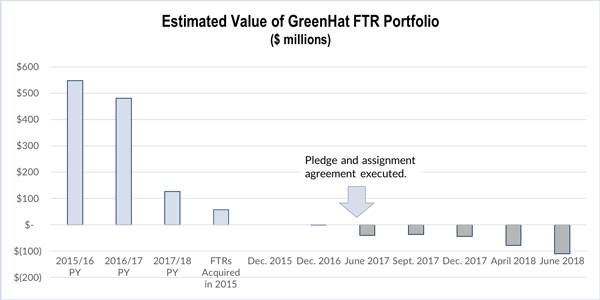
PJM
FERC approved some of the flexibility PJM has sought to address after the historic GreenHat Energy financial transmission rights portfolio default.
© RTO Insider
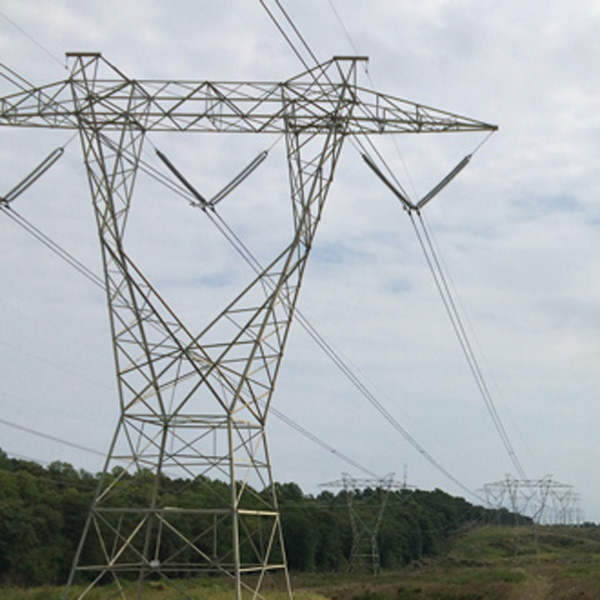
FERC ok'd cost allocations for 60 transmission projects added to PJM’s RTEP, including high-voltage projects allocated entirely to a Dominion Energy zone.
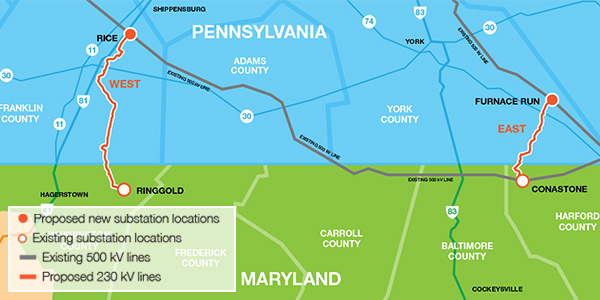
Transource
FERC granted FirstEnergy Services’ request to recover “prudently incurred abandonment costs” from Transource Energy’s Independence Energy Connection.
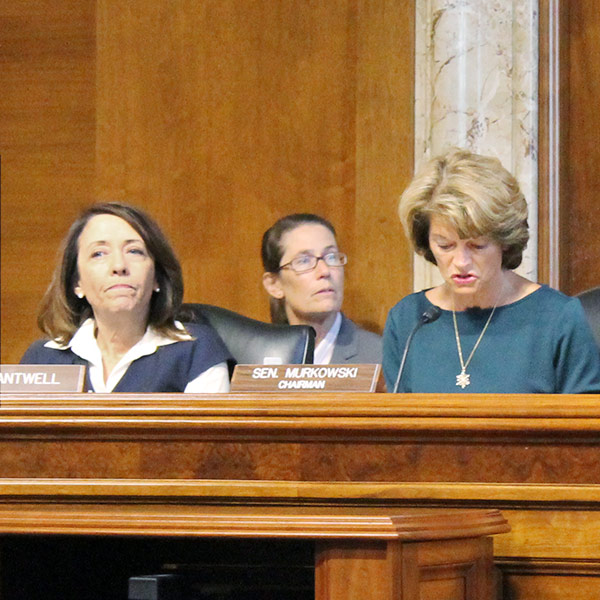
The Senate Energy and Natural Resources Committee advanced FERC nominee Bernard McNamee to the full Senate in a 13-10 party line vote.
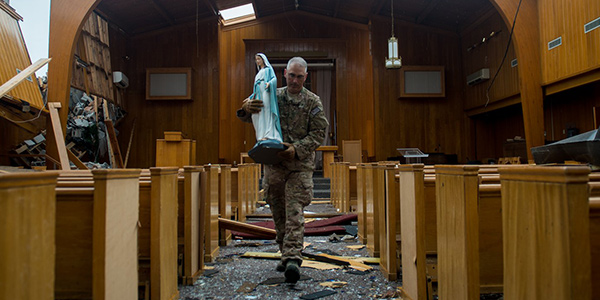
Although President Trump has dismissed climate change as a threat, the Defense Department has been planning for it since at least 1977.
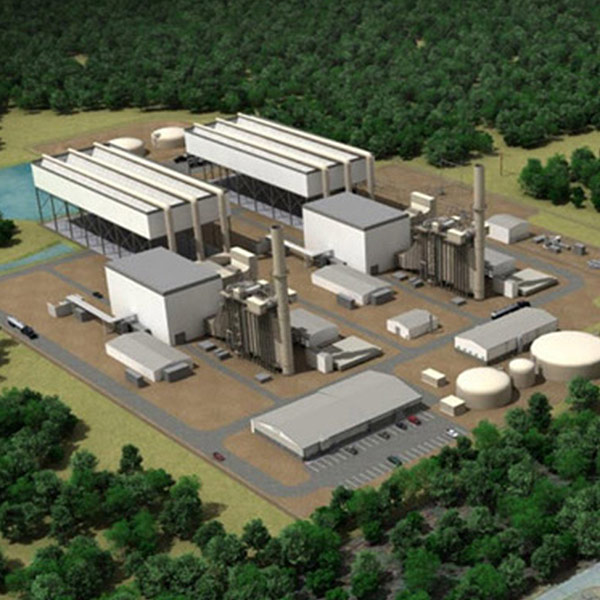
Invenergy
FERC granted ISO-NE’s request to terminate the capacity supply obligation (CSO) for Invenergy’s delayed 485-MW Clear River Energy Center Unit 1.
Want more? Advanced Search