Federal Energy Regulatory Commission (FERC)
The Federal Energy Regulatory Commission is an independent agency that regulates the interstate transmission of electricity, natural gas and oil; reviews proposals to build LNG terminals and interstate natural gas pipelines; and licenses hydropower projects. FERC also oversees operations of regional wholesale electricity and natural gas markets and oversees the reliability of the bulk electric system.
SPP
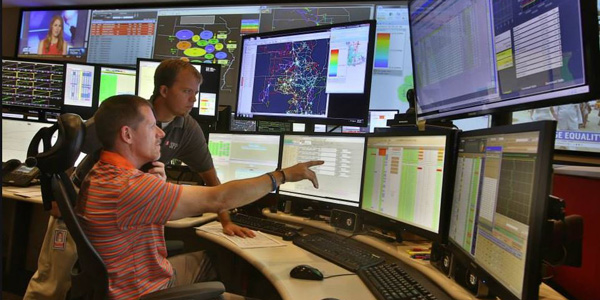
FERC again ordered SPP to rewrite its rules on auction revenue rights (ARRs) and long-term congestion rights (LTCRs).

Two panels at the Energy Bar Association’s Mid-Year Energy Forum offered views of the future: one for coal, and one for intermittent sources.
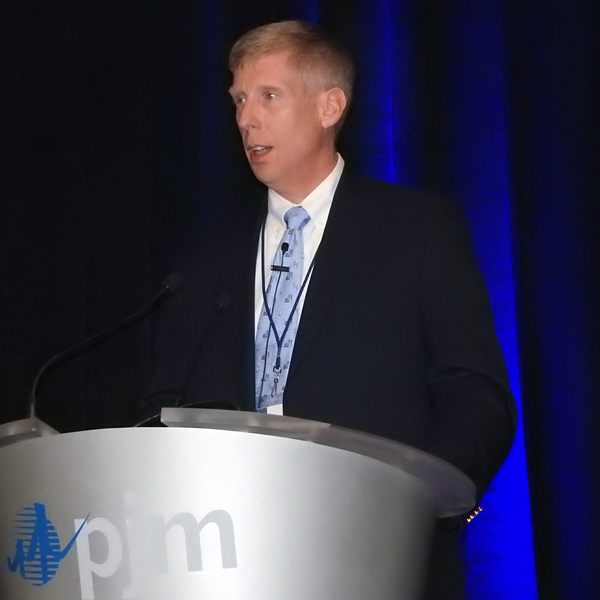
PJM agrees there is an issue with maintaining reliability, but not the one suggested by the DOE's recent call for price supports for coal and nuclear.

Panelists at the Energy Bar Association’s Mid-Year Energy Forum heard two very different views of the health of wholesale markets.
FERC
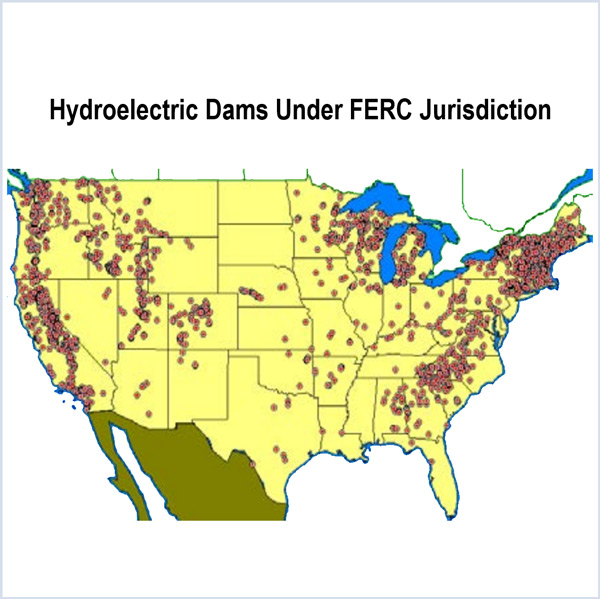
FERC set a 40-year default term for hydropower licenses, a move it said will reduce administrative costs and encourage dam owners to upgrade capacity.
FERC approved ISO-NE’s request not to disclose any proprietary information from certain de-list bids for the 12th Forward Capacity Auction.
© RTO InsiderFI
Gas supply for New England and Southern California is the top reliability concern for the coming winter, FERC officials said.

KCP&L is fulfilling its promise to take legal action against SPP for how the RTO allocates costs to customers after a new transmission owner joins a zone.
Wikimedia/Electric cat
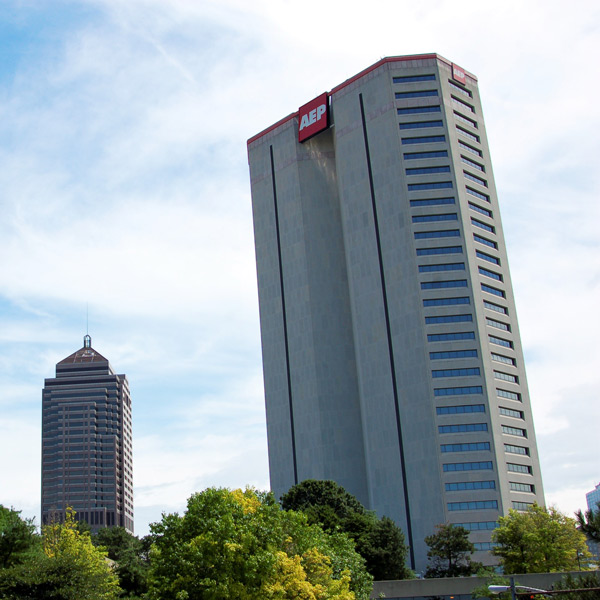
AEP filed a complaint against MISO for failing to collect and distribute millions in transmission charges from defunct load-serving entities a decade ago.
Duke Energy
FERC's consideration of the impact of greenhouse gas emissions won’t have a “significant” impact on the licensing of natural gas pipelines, Chatterjee said.
Want more? Advanced Search