Federal Energy Regulatory Commission (FERC)
The Federal Energy Regulatory Commission is an independent agency that regulates the interstate transmission of electricity, natural gas and oil; reviews proposals to build LNG terminals and interstate natural gas pipelines; and licenses hydropower projects. FERC also oversees operations of regional wholesale electricity and natural gas markets and oversees the reliability of the bulk electric system.
ReliabilityFirst
Columnist Steve Huntoon argues that the Energy Department's grid resiliency pricing NOPR was issued at the behest of the coal industry.
SPP
FERC rejected SPP’s request to remove its day-ahead must-offer requirement, saying the RTO had not provided “sufficient support” for the Tariff revisions.
© RTO Insider
FERC granted MISO a reprieve from a provision requiring it to include minimum zonal reserve requirements in its modeling of system reserve requirements.
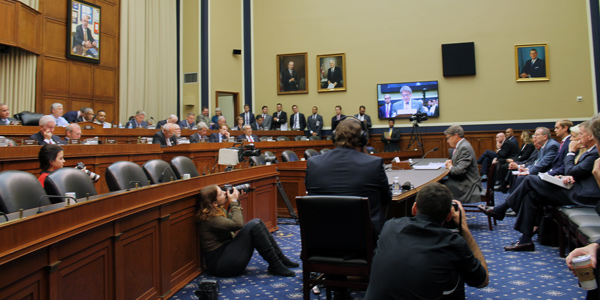
Energy Secretary Rick Perry on Thursday defended his call for supporting struggling coal and nuclear plants: “these resources must be revived, not reviled.”

MISO previewed its comments to FERC in response to Rick Perry’s proposal to allow “resilient” resources with a 90-day on-site supply of fuel.

FERC Chairman Neil Chatterjee praised Rick Perry for his grid resiliency proposal but promised the commission’s response will not undermine markets.
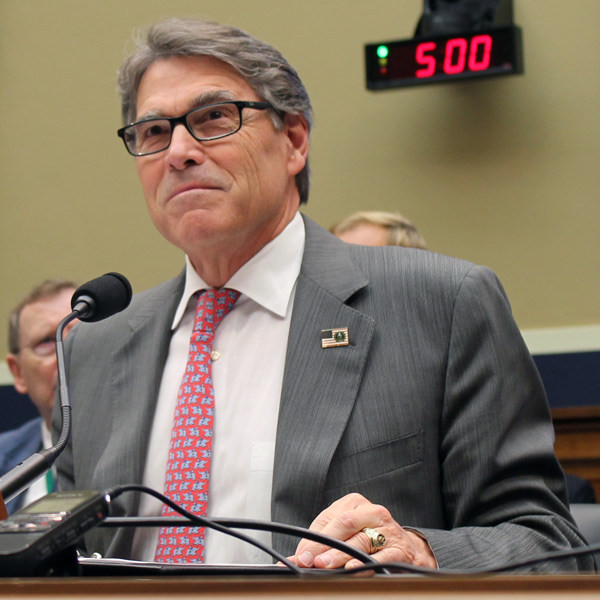
Energy Secretary Rick Perry on Thursday defended his call for supporting struggling coal and nuclear plants: “these resources must be revived, not reviled.”
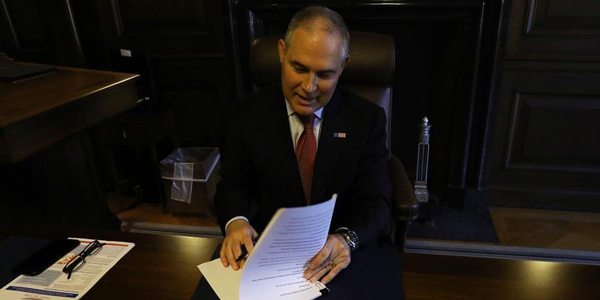
Now that EPA has reversed its position on the Clean Power Plan, some supporters of the program say the D.C. Circuit should rule on the issue.
Google
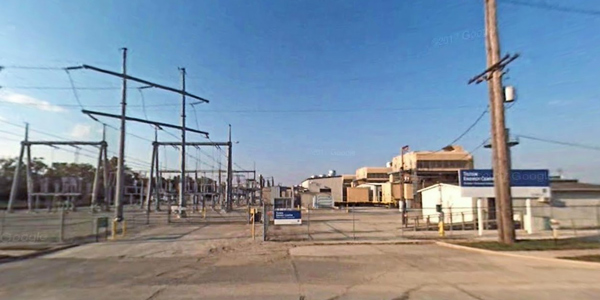
FERC opened hearing procedures to determine the fairness of reactive power rates for a 195-MW Tilton Energy gas-fired plant.
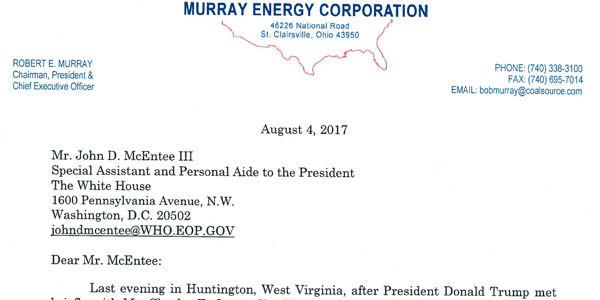
To Steve Huntoon, it's obvious where the recent Department of Energy proposed rule to the Federal Energy Regulatory Commission came from: Murray Energy.
Want more? Advanced Search