Federal Energy Regulatory Commission (FERC)
The Federal Energy Regulatory Commission is an independent agency that regulates the interstate transmission of electricity, natural gas and oil; reviews proposals to build LNG terminals and interstate natural gas pipelines; and licenses hydropower projects. FERC also oversees operations of regional wholesale electricity and natural gas markets and oversees the reliability of the bulk electric system.
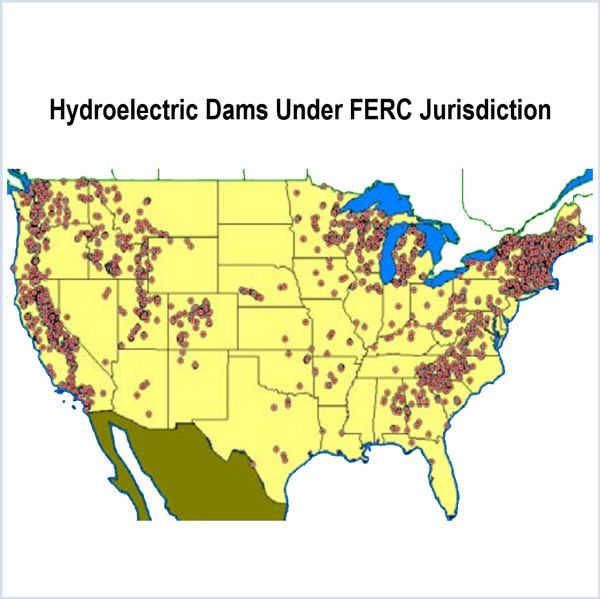
FERC is considering changing the way it establishes license terms at non-federal hydropower projects.

© RTO Insider - miso planning advisory committee
The MISO Planning Advisory Committee discussed making retirement notices public, including energy storage in interconnection rules and charging for Quarterly Operating Limit studies.
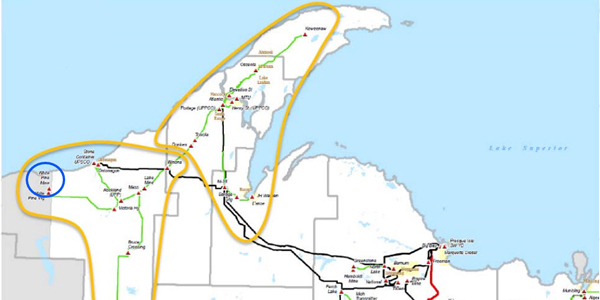
MISO has FERC’s permission to end a system support resource agreement in Michigan’s Upper Peninsula effective Nov. 26, 2016.
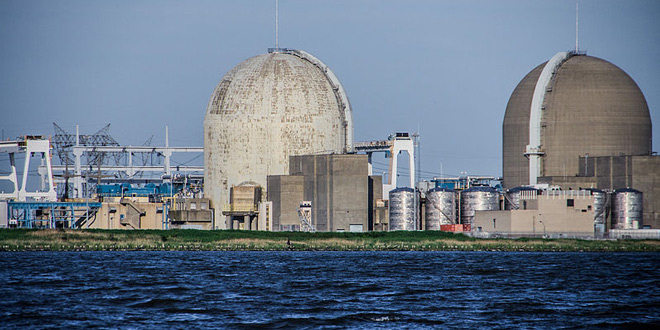
FERC approved a rate settlement for the Artificial Island transmission project, but the order may be moot.
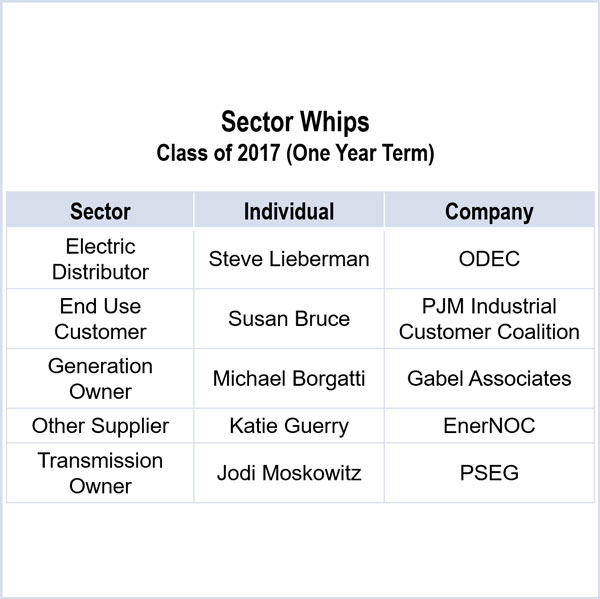
The PJM Members Committee elected new sector whips and the Markets and Reliability Committee discussed fuel-cost policy revisions.
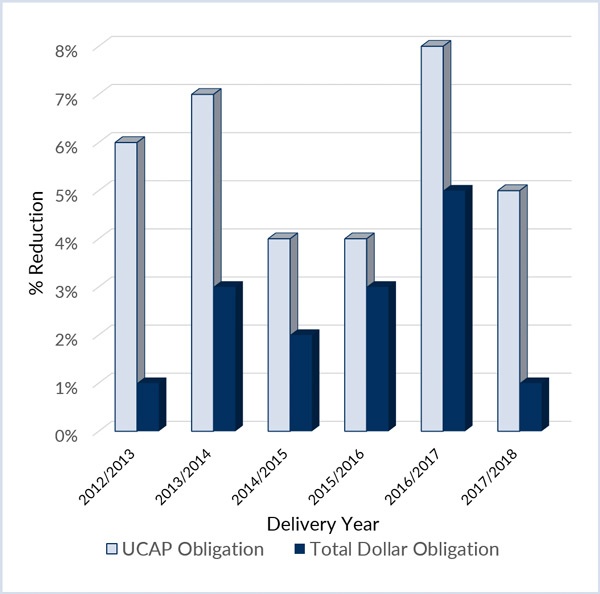
The PJM Markets and Reliability Committee rejected two proposals members said threatened the Capacity Performance construct, but approved two others.
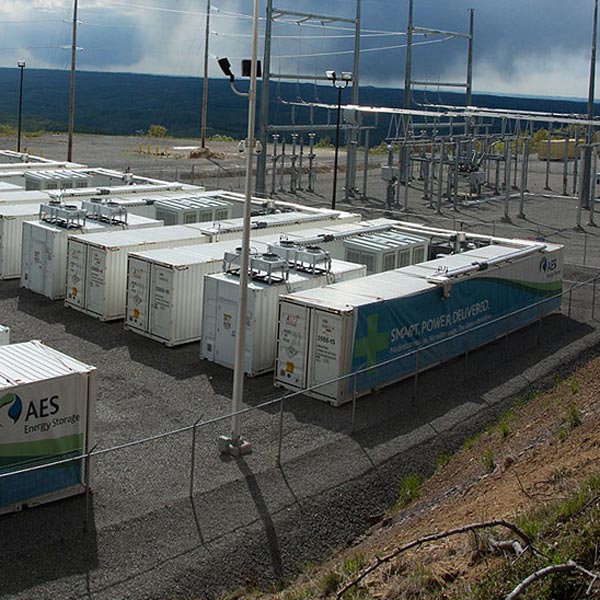
In a big boost to the energy storage industry, FERC proposed a sweeping order aimed at knocking down barriers to storage and DER.
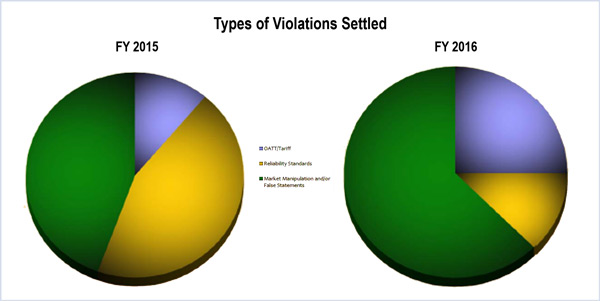
Market manipulation cases dominated FERC enforcement efforts in fiscal 2016, according to the Office of Enforcement’s 10th annual report.
MISO asked FERC to reject the IPL (NYSE:AES) complaint over energy storage rules, calling it disruptive to stakeholder proceedings.
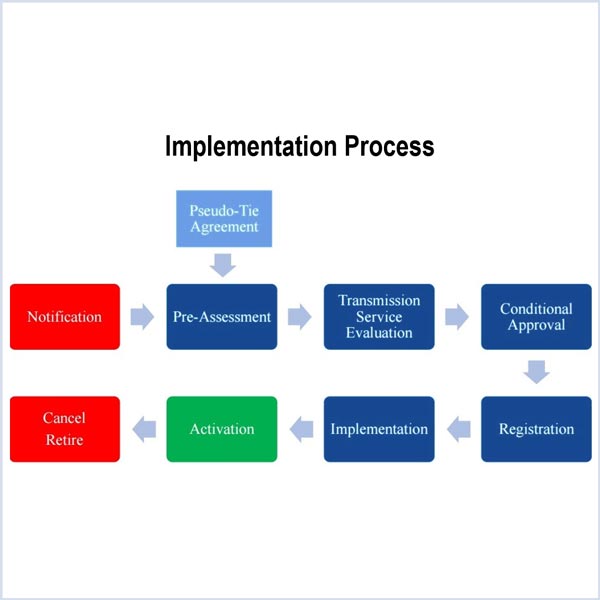
MISO will ask FERC to approve new pseudo-tie rules next year, officials said during a Nov. 8 special conference call of the Reliability Subcommittee.
Want more? Advanced Search