Federal Energy Regulatory Commission (FERC)
The Federal Energy Regulatory Commission is an independent agency that regulates the interstate transmission of electricity, natural gas and oil; reviews proposals to build LNG terminals and interstate natural gas pipelines; and licenses hydropower projects. FERC also oversees operations of regional wholesale electricity and natural gas markets and oversees the reliability of the bulk electric system.
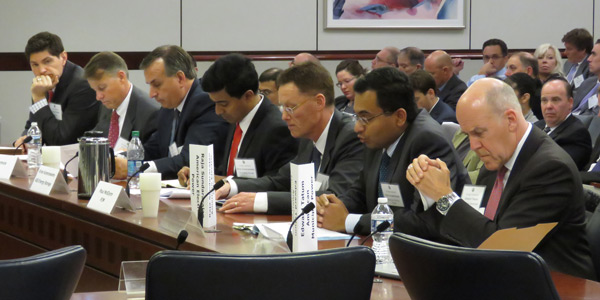
FERC’s technical conference on energy storage featured the RTOs perspective - can energy storage can be a versatile transmission asset or limited to “niche applications?"

FERC’s technical conference on energy storage Wednesday featured debates over the breadth of its potential uses and how to compensate for it.
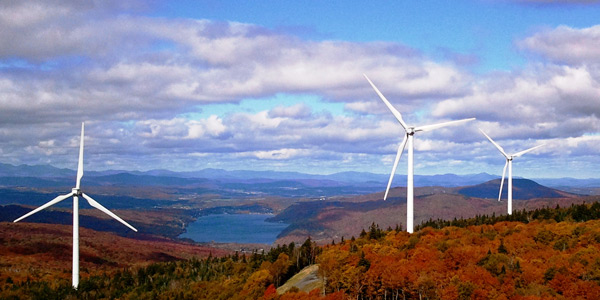
Renewable energy made gains in some states, but other state election results were not as favorable or as expected.

© RTO Insider
Energy storage won’t eliminate the need for RMR generators - the need to pay unprofitable generators to continue operating for grid support.
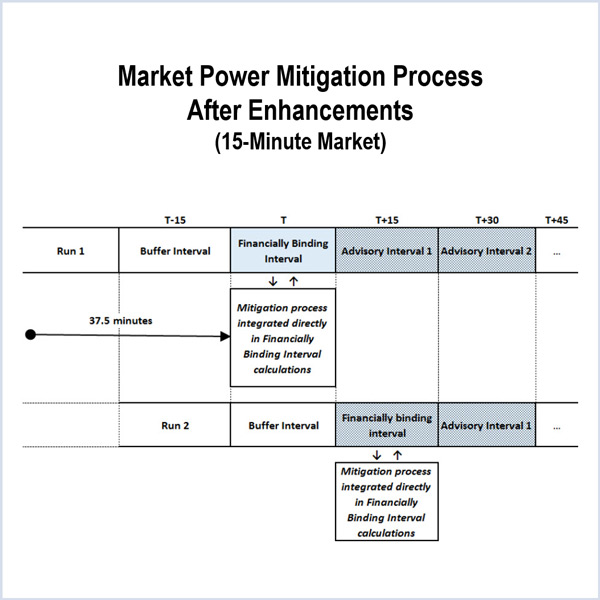
FERC has approved CAISO’s plan to fine-tune its procedure for preventing generators from exercising local market power during transmission constraints.
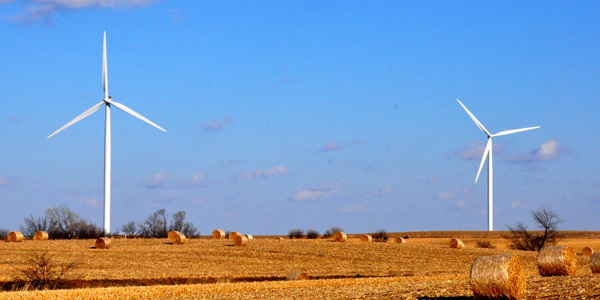
FERC has accepted the SPP Tariff revisions to the RTO’s out-of-merit energy processes, scotching objections by several wind energy companies.

What does a Donald Trump energy policy look like? Count the Clean Power Plan, DOE's R&D budget and FERC's Norman Bay among the losers.
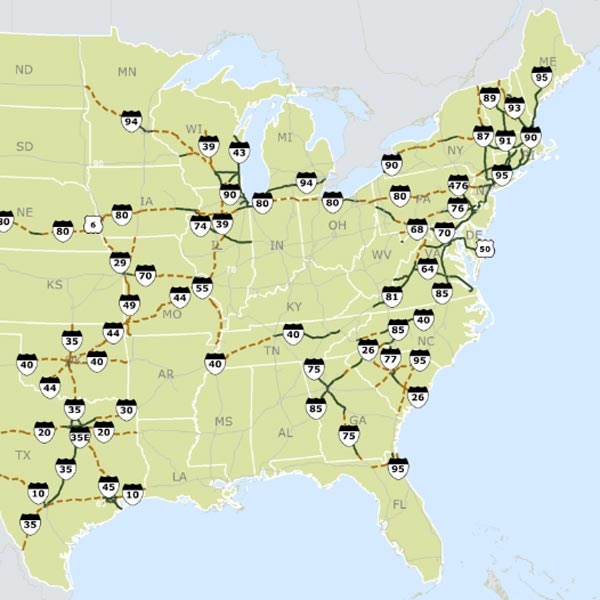
The federal government will create 48 “charging corridors” across nearly 25,000 miles of interstate highways in 35 states and D.C.
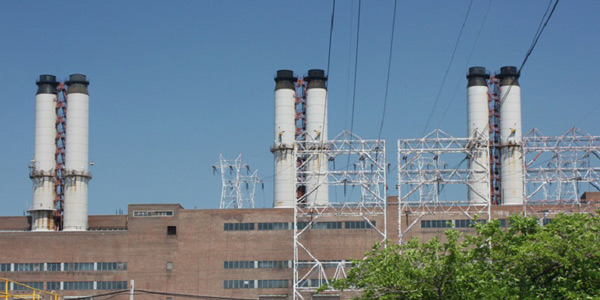
IPPNY has appealed to the NYISO Board of Directors to reject a rule change that would effectively cap certain capacity payments received by generators.
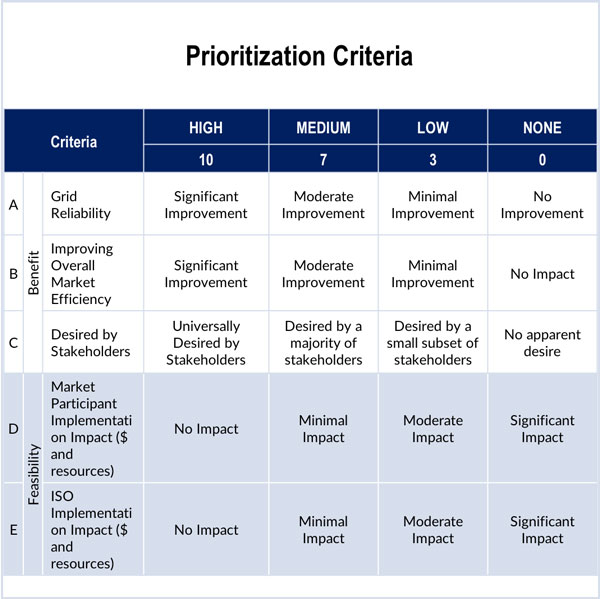
Stakeholders voiced concerns about CAISO’s annual process for determining which “discretionary” policy initiatives the ISO should pursue in the coming year.
Want more? Advanced Search