Federal Energy Regulatory Commission (FERC)
The Federal Energy Regulatory Commission is an independent agency that regulates the interstate transmission of electricity, natural gas and oil; reviews proposals to build LNG terminals and interstate natural gas pipelines; and licenses hydropower projects. FERC also oversees operations of regional wholesale electricity and natural gas markets and oversees the reliability of the bulk electric system.
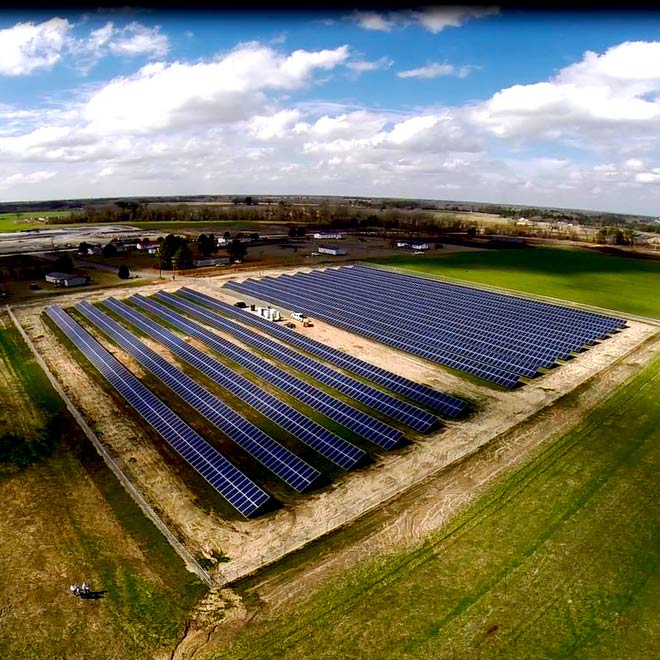
FERC declined to begin an enforcement action under PURPA on behalf of Allco Finance and its unit Windham Solar in Connecticut.
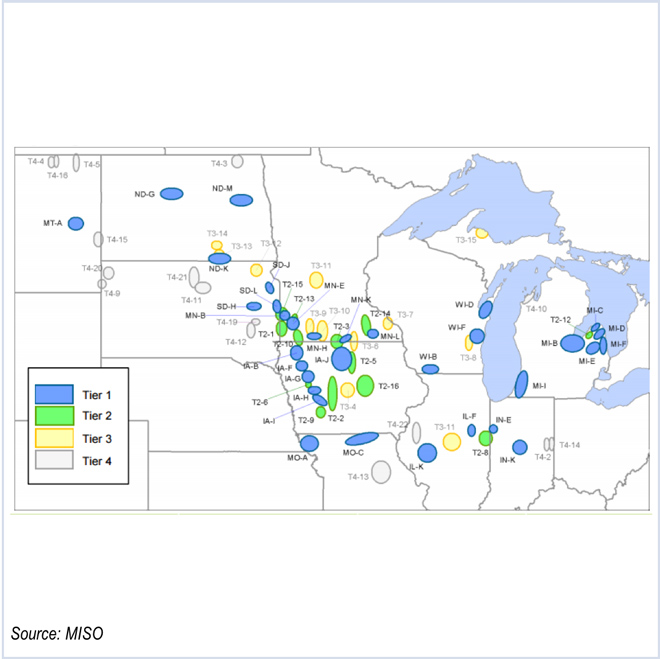
MISO's Planning Advisory Committee discussed the probability weightings for the futures analysis in its 2017 Transmission Expansion Plan.
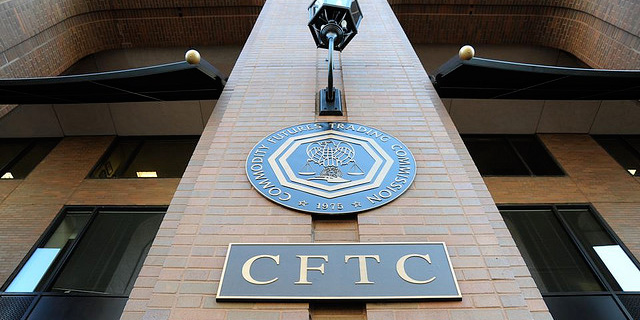
The electric industry has done its part in building opposition to the CFTC proposal to allow private rights of action on energy market transactions.
FERC proposes to adopt the new NAESB standards, adopted by its Wholesale Electric Quadrant and filed with FERC last October.
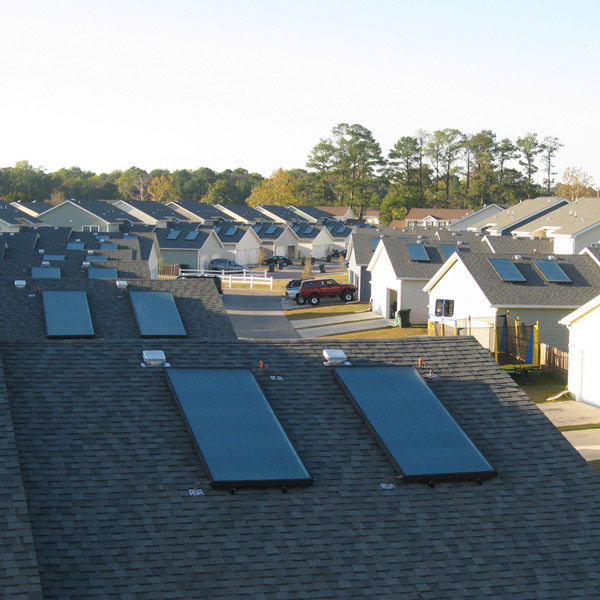
Small Generators, defined as under 20 MW, will be required to ride through abnormal frequency and voltage events under a rule approved by FERC.
FERC revised its proposed rules for connected entity data collection from market-based rate traders to monitor against market manipulation.
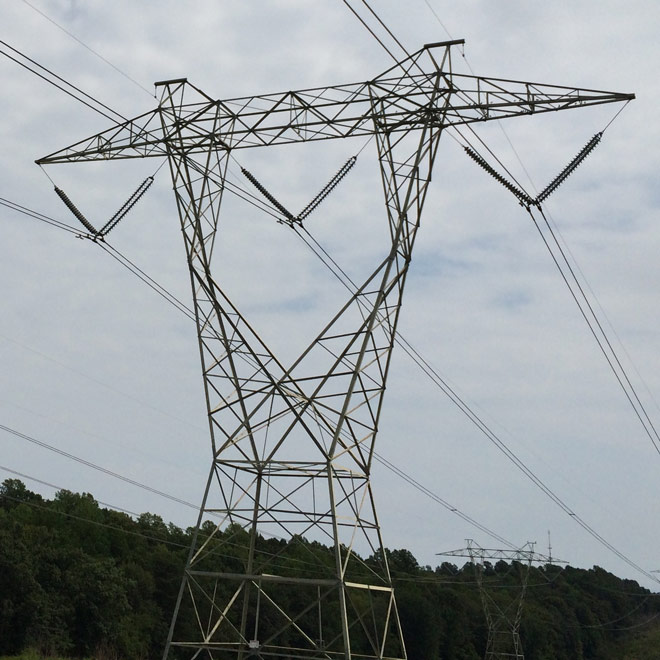
FERC ordered ordered Section 206 proceedings in MISO and SPP, questioning the RTOs’ failure to require nonpublic TOs to provide refunds in the manner it requires of public utility owners.

FERC directed NERC to develop a “forward-looking, objective-based” critical infrastructure protection reliability standard for supply chain management.
SPP executives had “inappropriate” involvement in the oversight of its Market Monitoring Unit (MMU), FERC says in an audit report that calls for changes.
Berkshire Hathaway Energy is contesting FERC’s June decision to revoke the ability of the company’s subsidiaries to sell power at market-based rates.
Want more? Advanced Search