
Federal Energy Regulatory Commission (FERC)
The Federal Energy Regulatory Commission is an independent agency that regulates the interstate transmission of electricity, natural gas and oil; reviews proposals to build LNG terminals and interstate natural gas pipelines; and licenses hydropower projects. FERC also oversees operations of regional wholesale electricity and natural gas markets and oversees the reliability of the bulk electric system.
Nick Myers via X
Arizona regulator Nick Myers, chair of the Markets+ State Committee, is drafting a document as part of SPP's compliance filing that better explains the role Western state commissioners will play in the day-ahead market's development and operations.
NERC
NERC's Standards Committee expects to have the latest version of the cold weather standard ready to post for a formal comment period by Jan. 27.
CAISO
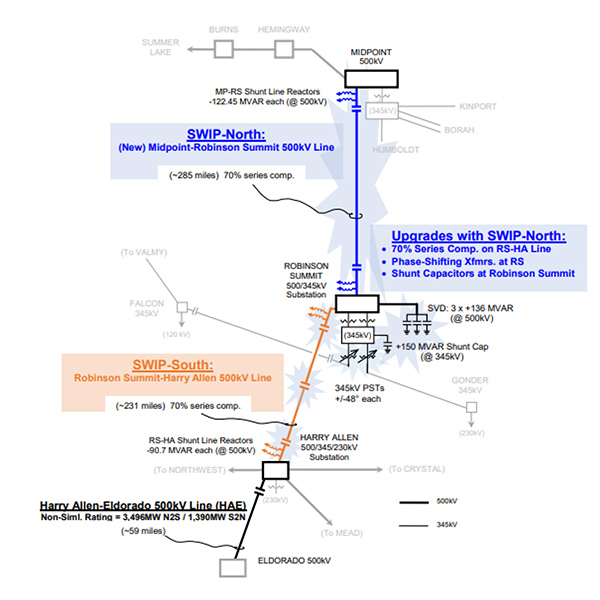
FERC approved an agreement between CAISO and LS Power to develop a transmission line that would deliver Idaho wind power into California and could help secure Idaho Power’s participation in the ISO’s Extended Day-Ahead-Market.

WER Architects Planners
FERC approved SPP’s tariff for Markets+ with minor modifications in what the RTO’s staff described as a “home run” during the Markets+ Participant Executive Committee’s meeting.
© RTO Insider LLC
The 6th U.S. Circuit Court of Appeals ruled FERC improperly allowed Duke Energy Ohio and FirstEnergy to include the RTO adder in their rates despite participation in an RTO being mandated by Ohio law.
SPP
The SPP Markets and Operations Policy Committee has approved tariff revisions that would implement dispatchable transactions in the real-time energy market.
© RTO Insider LLC
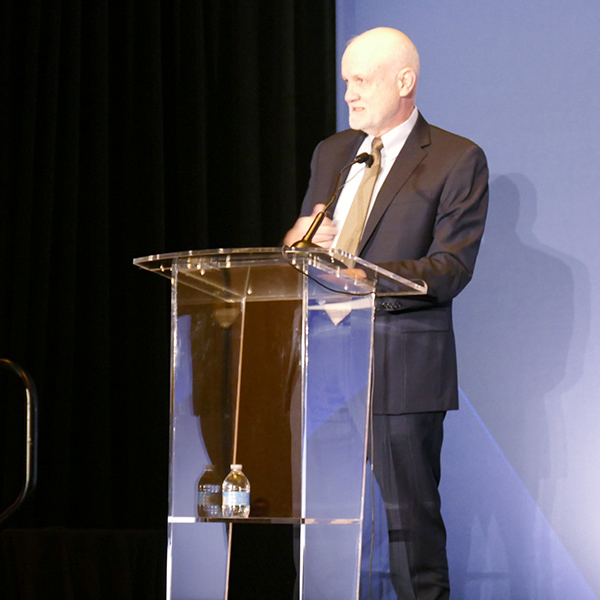
President Donald Trump, who appointed Mark Christie to FERC in 2020 during his first term, has now selected him as the commission's new chair.
Ameren
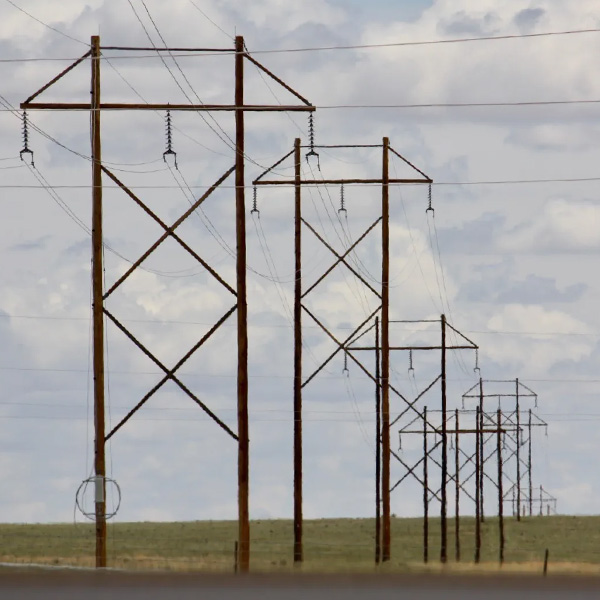
MISO and SPP have asked FERC for a temporary departure from sections of their joint operating agreement to be able to conduct a more comprehensive interregional planning study to land on mutually beneficial transmission projects.
SPP
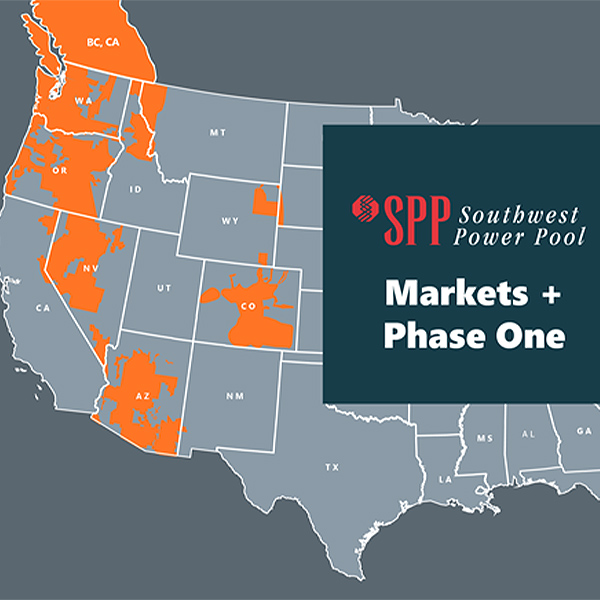
SPP reached a key milepost in its Western efforts when FERC conditionally approved its tariff for Markets+, a highly anticipated decision likely to ramp up the competition with CAISO’s Extended Day-Ahead Market.
Shutterstock
FERC accepted MISO’s second try at Order 2222 compliance, allowing MISO time to prepare through mid-2029 before it fully accepts aggregators of distributed energy resources into its markets in 2030.
Want more? Advanced Search
