
Federal Energy Regulatory Commission (FERC)
The Federal Energy Regulatory Commission is an independent agency that regulates the interstate transmission of electricity, natural gas and oil; reviews proposals to build LNG terminals and interstate natural gas pipelines; and licenses hydropower projects. FERC also oversees operations of regional wholesale electricity and natural gas markets and oversees the reliability of the bulk electric system.

Last week FERC accepted PJM’s revised plan for frequency compensation, and rejecting a rehearing request from PSEG Companies.
The Federal Energy Regulatory Commission (FERC) endorsed revised business practices and communication standards to comply with commission Orders 890 and 676
FERC moved to improve gas-electric communication by giving gas pipeline operators explicit permission to exchange non-public operational data with PJM.

FERC rejected PSEG’s challenge to PJM’s transmission modeling, saying the company had failed to prove that PJM’s method was “black box decision-making.”
The Federal Energy Regulatory Commission Thursday gave final approval to one of several reliability standards and opened for comment two others.
FERC's ancillary services rule should help renewable generators with service balancing and enable electric storage providers to be more competitive in PJM.
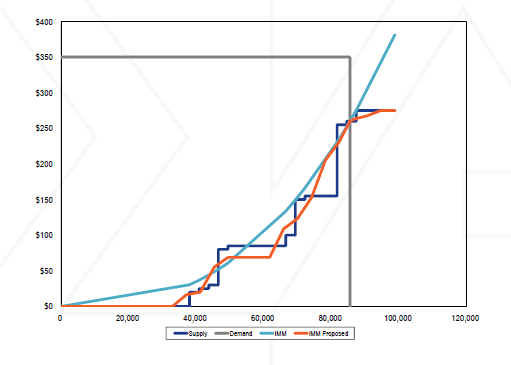
PJM's Market Implementation Committee approved an issue charge to consider modifying the algorithm used for publishing the annual capacity auction supply curves.
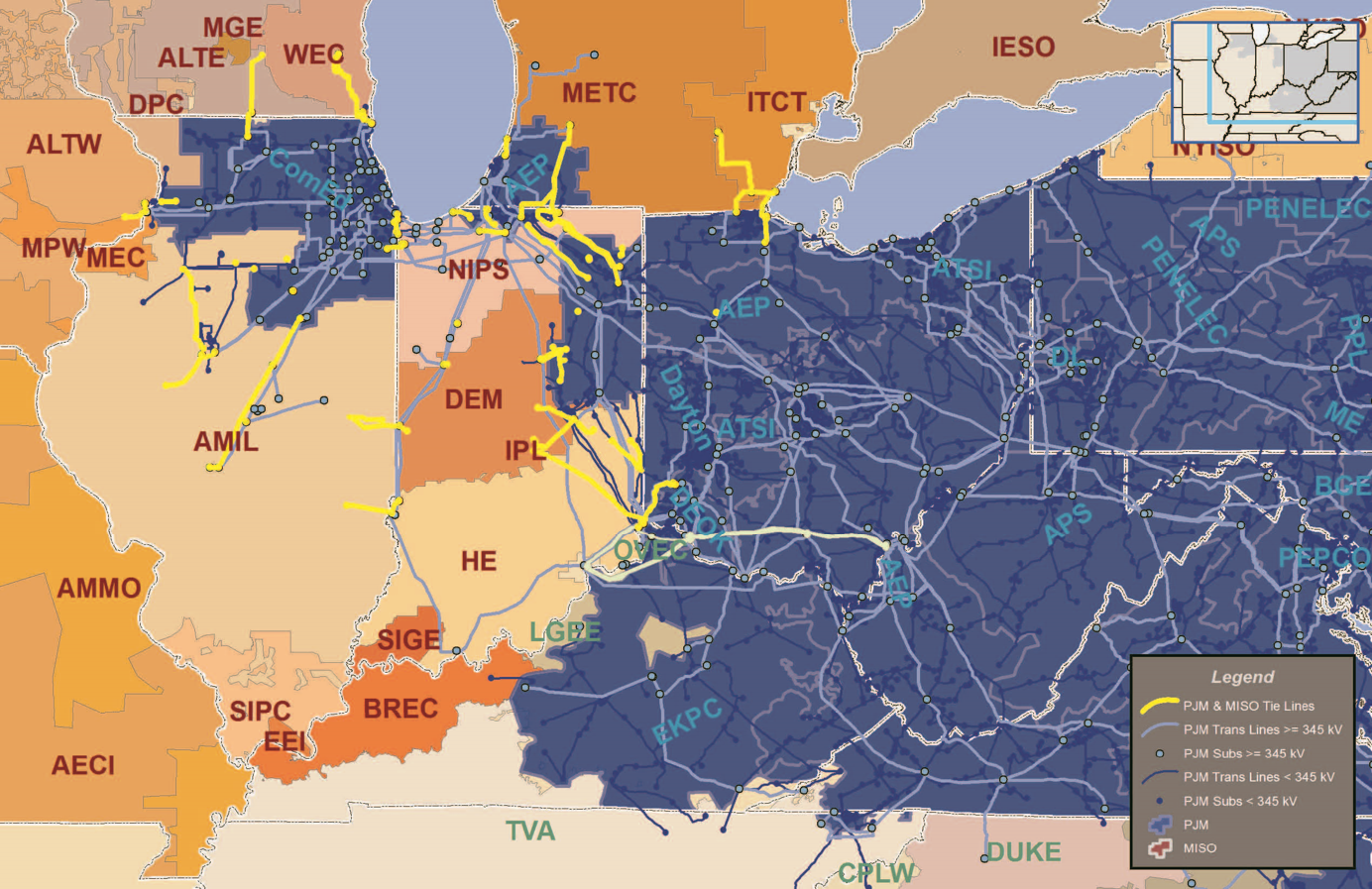
PJM and MISO last week asked FERC to settle an Order 1000 standoff over cost allocation of cross-border reliability projects.
The PJM MIC last week soundly rejected a proposal to change the modeling assumptions used in long-term FTR auctions.
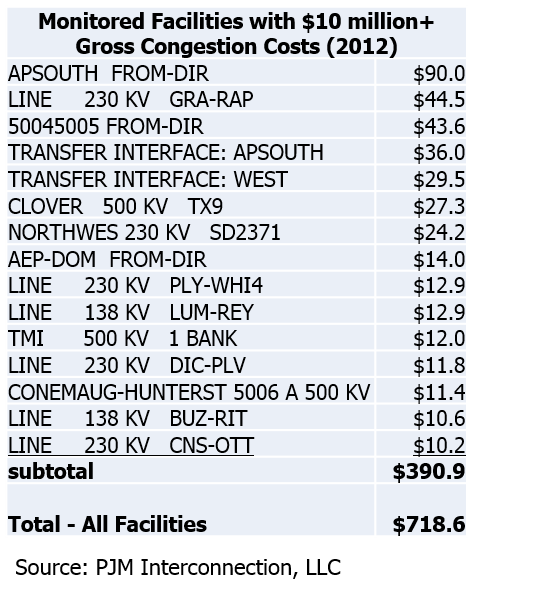
PJM expects to open a proposal window for market efficiency transmission projects later this year, PJM officials told members at last week's TEAC meeting.
Want more? Advanced Search
