
Federal Energy Regulatory Commission (FERC)
The Federal Energy Regulatory Commission is an independent agency that regulates the interstate transmission of electricity, natural gas and oil; reviews proposals to build LNG terminals and interstate natural gas pipelines; and licenses hydropower projects. FERC also oversees operations of regional wholesale electricity and natural gas markets and oversees the reliability of the bulk electric system.
Shutterstock
Stakeholders are split on whether FERC should adopt additional changes to its generator interconnection rules, or focus on implementing Order 2023 while letting specific regions go further on their own, according to comments filed after a September technical conference.
Avangrid
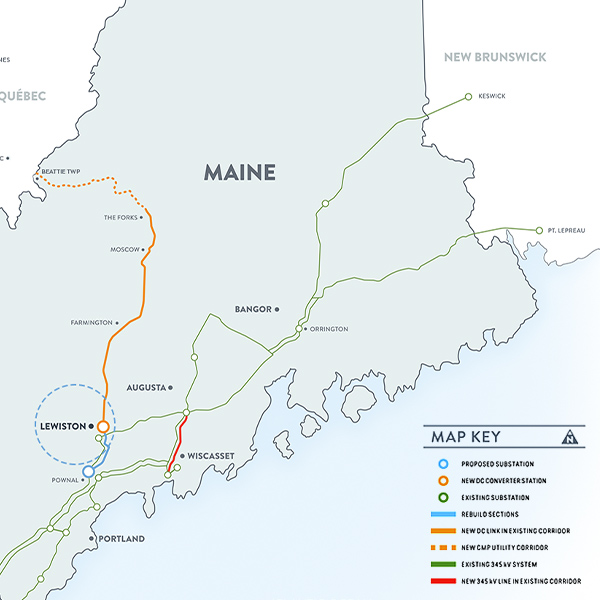
In an antitrust lawsuit filed in federal court, Avangrid accused NextEra Energy of conducting an “exclusionary and anticompetitive scheme” to stop a major transmission project connecting New England to Quebec.

© RTO Insider LLC
To move forward in the second Trump administration, both Democrats and Republicans will need to depoliticize the debate around climate and energy issues as they face the impacts of increasingly frequent and severe extreme weather, while meeting growing power demand from artificial intelligence, data centers and new manufacturing.
SPP
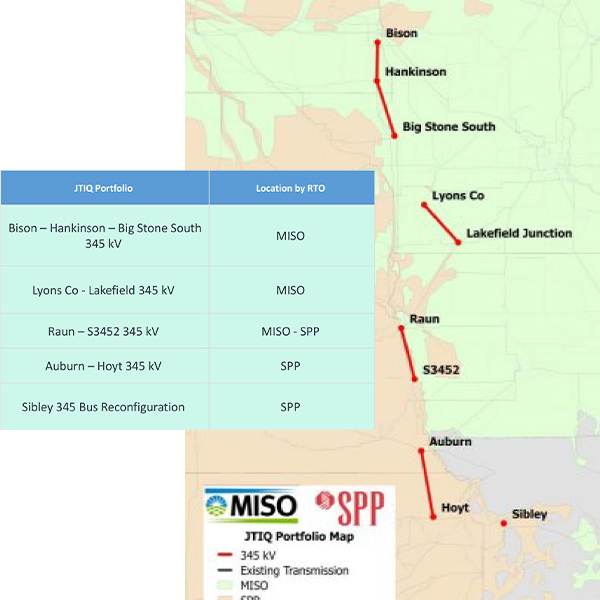
FERC approved tariff revisions and modifications to the joint operating agreement between MISO and SPP that will enshrine a structural and cost-allocation framework for the five projects in their Joint Targeted Interconnection Queue portfolio.
Shutterstock
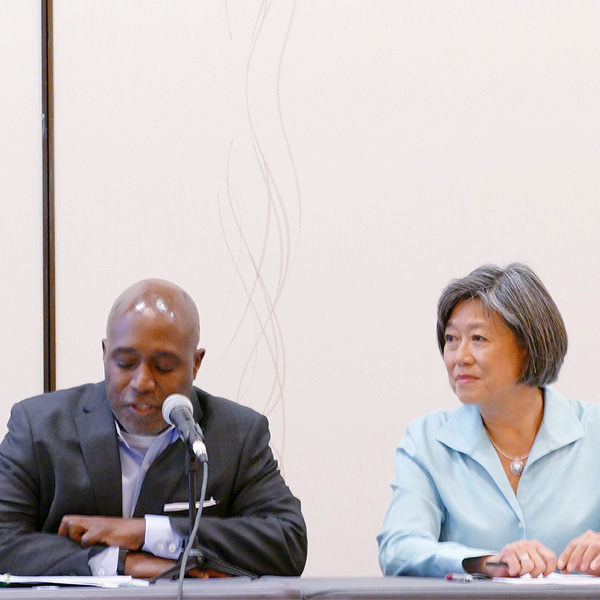
FERC and a group of regulators from 10 states began discussing gas-electric coordination at the first meeting of the new Federal-State Current Issues Collaborative.
© RTO Insider LLC
The NARUC board adopted a resolution emphasizing the role GETs and high-performance conductors can play in reducing customer costs and improving reliability.

NERC
NERC leadership is considering using its authority to streamline the development process on another standard, a member of the ERO's management said.
Talen Energy
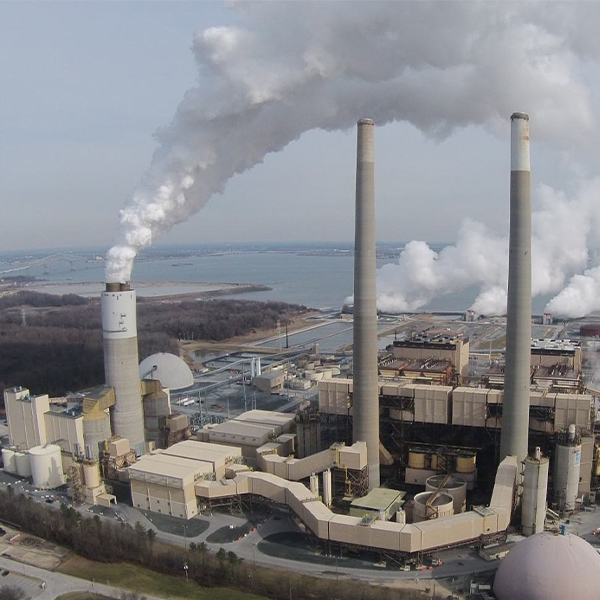
FERC approved a PJM waiver request to offset the RTO’s capacity auction schedule by six months starting with the 2026/27 Base Residual Auction.

© RTO Insider LLC
With President-elect Donald Trump promising to "dismantle the deep state," former FERC Chair Neil Chatterjee's social media post offering "insight on who to keep and who to remove" led to worries about the continued independence of the agency.
© RTO Insider LLC
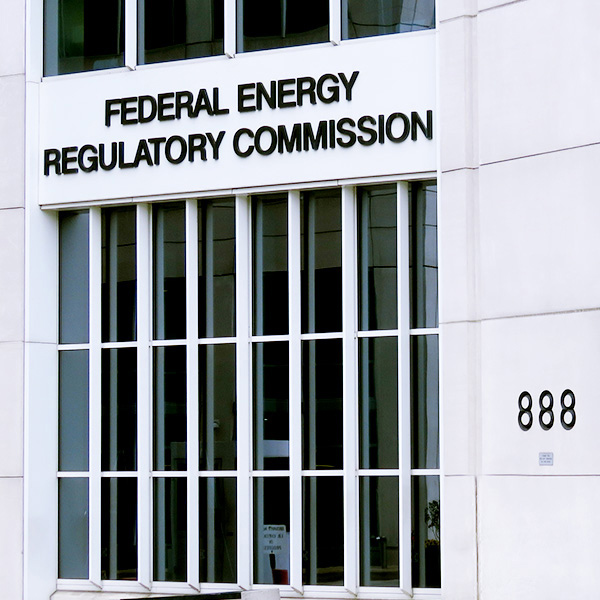
Change is coming to FERC after Tuesday's election, but the policies the agency oversees are rarely top of mind during campaigns, so it is unclear how much will be different.
Want more? Advanced Search
