
Federal Energy Regulatory Commission (FERC)
The Federal Energy Regulatory Commission is an independent agency that regulates the interstate transmission of electricity, natural gas and oil; reviews proposals to build LNG terminals and interstate natural gas pipelines; and licenses hydropower projects. FERC also oversees operations of regional wholesale electricity and natural gas markets and oversees the reliability of the bulk electric system.
SPP
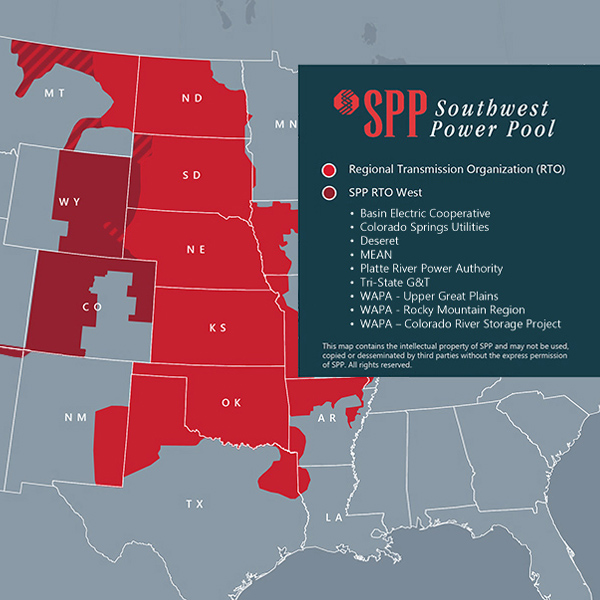
SPP filed bylaw amendments at FERC to place seven Western entities under its tariff that, if approved, will make the RTO the first grid operator with markets in both major interconnections.
Dynegy
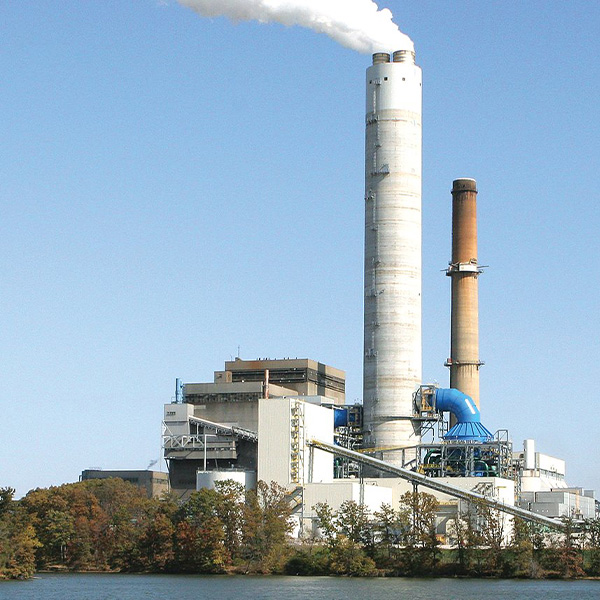
Nearly a decade after the MISO capacity auction in which Dynegy was found to have manipulated clearing prices, FERC has directed hearing and settlement procedures in the case.
Western Power Pool
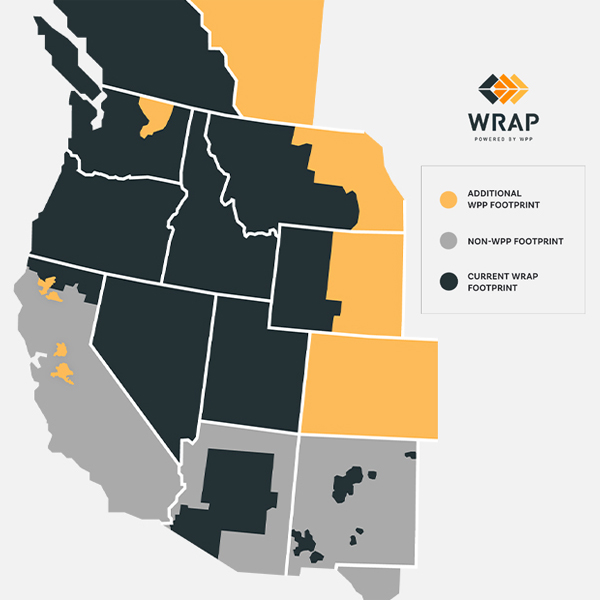
FERC approved tariff revisions by Berkshire Hathaway Energy subsidiaries PacifiCorp, Nevada Power and Sierra Pacific Power that will enable the utilities to earn market-based rates when participating in the WRAP.
© RTO Insider LLC
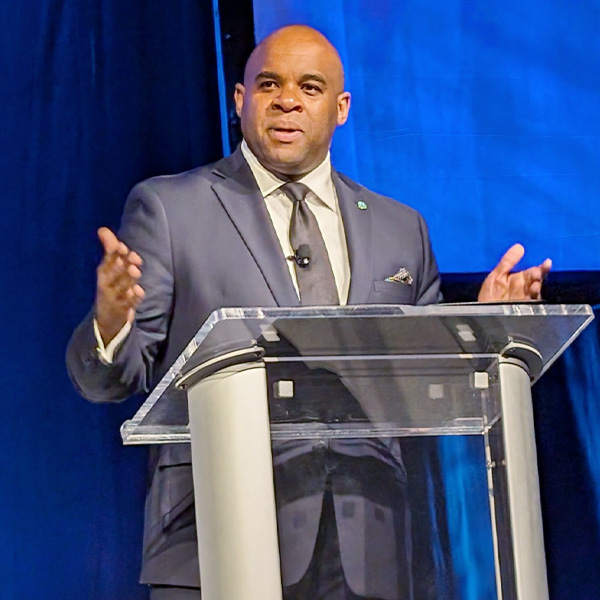
Speaking at the Exelon Innovation Expo, Phillips stressed FERC Order 1920's innovative approach to long-term planning for regional transmission, with a focus on reliability, affordability and sustainability.
© RTO Insider LLC
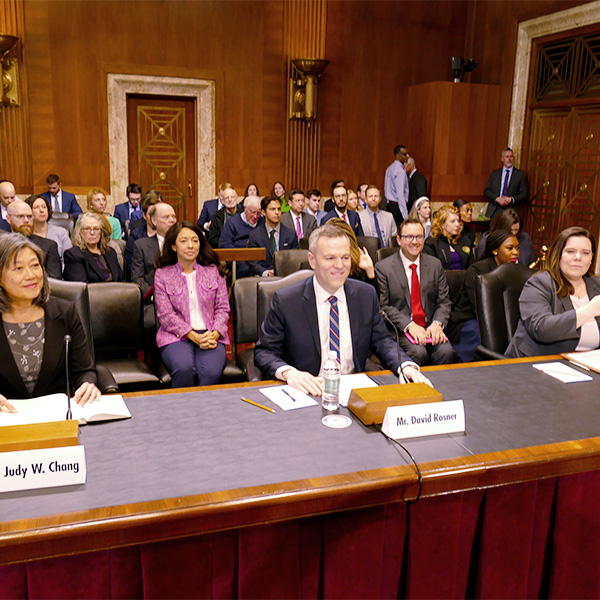
President Joe Biden’s three nominees to FERC are set for a floor vote as soon as next week with Senate Majority Leader Chuck Schumer (D-N.Y.) filing cloture on them.

National Grid Renewables
MISO said new queue entries must wait while it takes another swing at imposing an annual megawatt cap on its interconnection queue.
Entergy
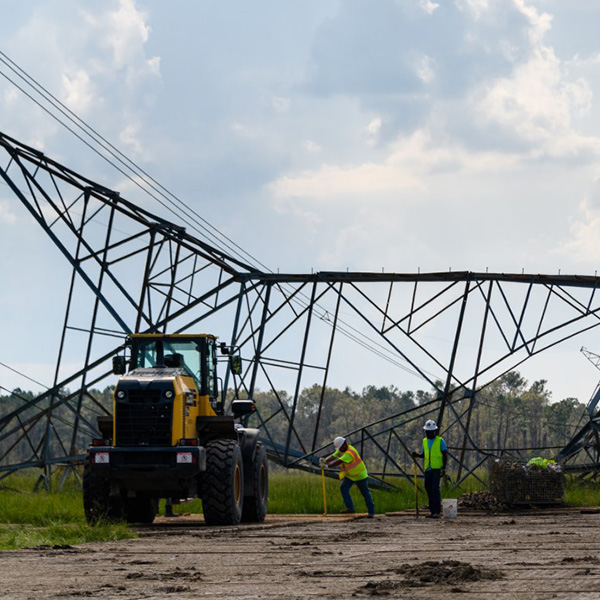
FERC ruled that MISO can apply new settlement practices to generators physically disconnected from the grid during extensive transmission outages triggered by extreme events.
© RTO Insider LLC
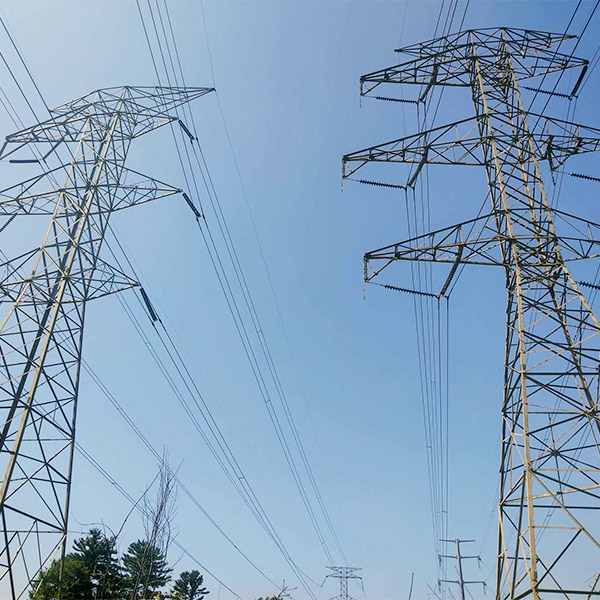
Stakeholder groups submitted comments to FERC last week in support of ISO-NE’s proposal to create a new longer-term transmission planning process to facilitate more forward-looking transmission investments to meet looming needs.
Senate Energy and Natural Resources Committee
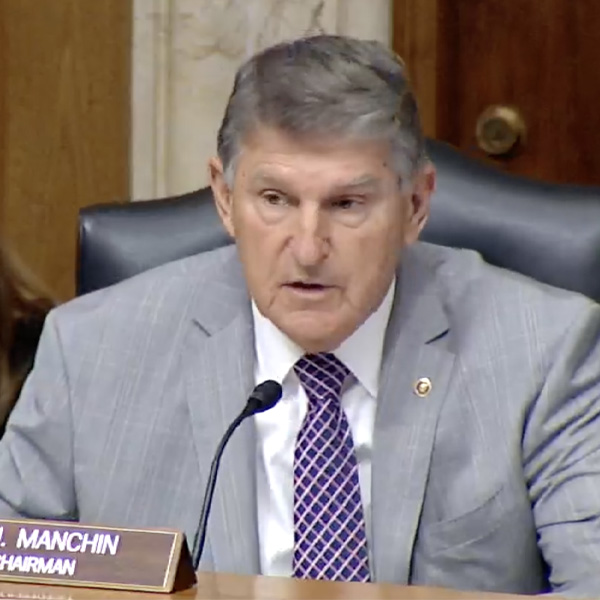
The Senate Energy and Natural Resources Committee advanced all three of President Joe Biden’s nominees to FERC with broad margins in a business meeting.

© RTO Insider LLC
PJM's Independent Market Monitor filed a complaint asking FERC to reject all energy efficiency offers into the RTO's capacity market, alleging none of them meet the Base Residual Auction participation requirements.
Want more? Advanced Search
