
Federal Energy Regulatory Commission (FERC)
The Federal Energy Regulatory Commission is an independent agency that regulates the interstate transmission of electricity, natural gas and oil; reviews proposals to build LNG terminals and interstate natural gas pipelines; and licenses hydropower projects. FERC also oversees operations of regional wholesale electricity and natural gas markets and oversees the reliability of the bulk electric system.
Northwoods Resort
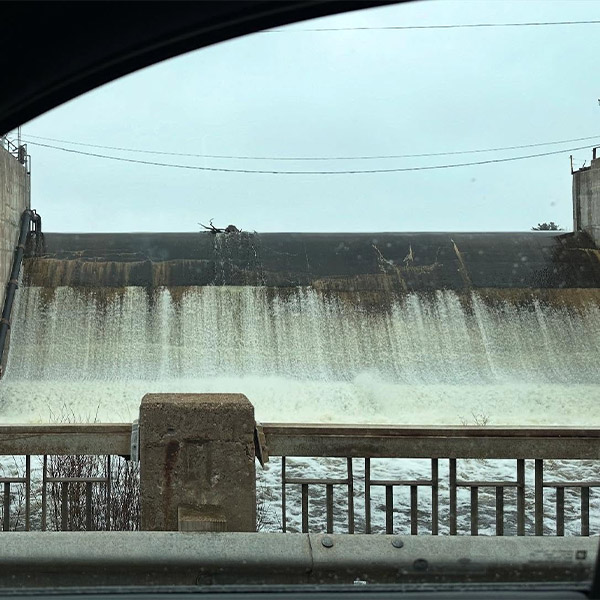
FERC revoked the operating license for a troubled dam in Michigan’s Upper Peninsula, citing a failure to address safety issues that could cost lives and the owner’s loss of land in bankruptcy proceedings.
© RTO Insider
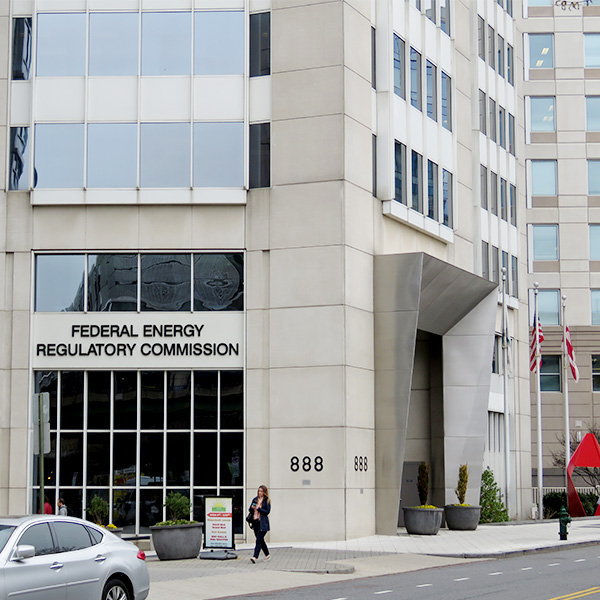
Columnist Steve Huntoon predicts that the independent federal agencies like FERC will survive the Supreme Court’s revisiting of Humphrey’s Executor v. United States.

Illustrated by Perplexity
The defining story of the coming year will be the widening chasm between electricity supply and demand, a dynamic driven by a slow-moving supply side, coupled with the explosive growth of energy-hungry data centers, says columnist Peter Kelly-Detwiler.
IMCO
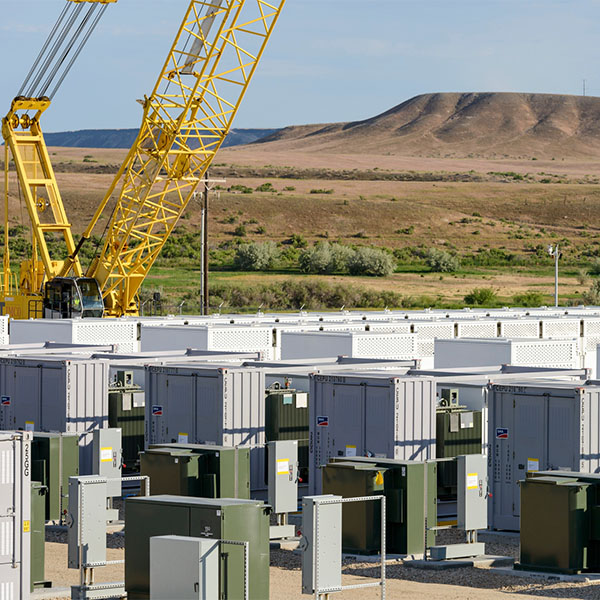
Idaho Power can continue to sell power at market-based rates after it acquired more than 200 MW in resources 2023 and 2024, FERC ruled.
SPP
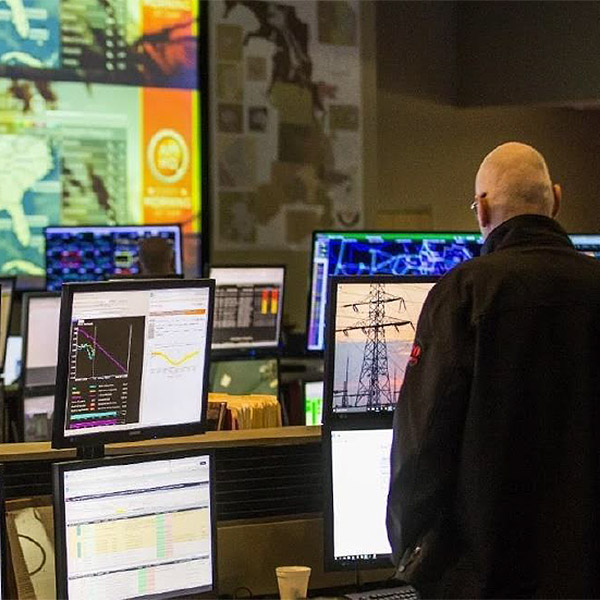
FERC dismissed as moot a complaint by several public interest organizations over SPP’s accreditation methodologies for thermal and renewable resources.
© RTO Insider LLC
CAISO is proposing a set of tariff changes for submission to FERC early in 2026 to help ease participants into the ISO’s new Extended Day-Ahead Market.

Shutterstock
The Maine Office of the Public Advocate has asked FERC to initiate evidentiary hearing procedures to answer questions about the prudency of investments by New England transmission owners in asset condition projects placed in service in 2022.
Talen Energy
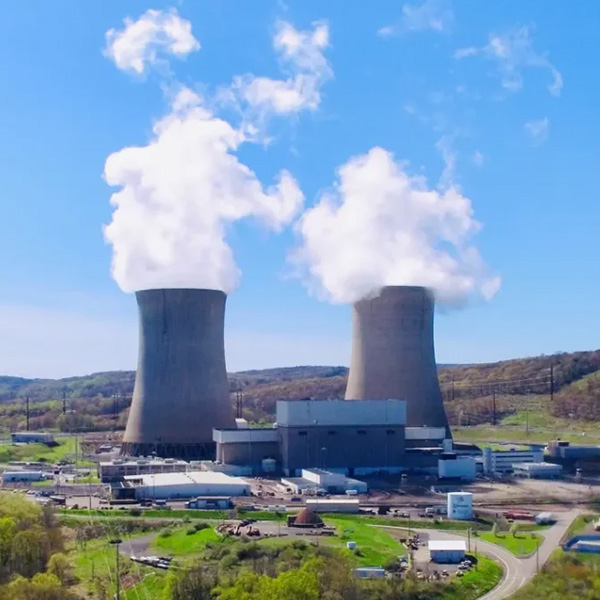
FERC told PJM to change its rules to allow for co-located load at generators, with new transmission services and other tweaks.
MISO
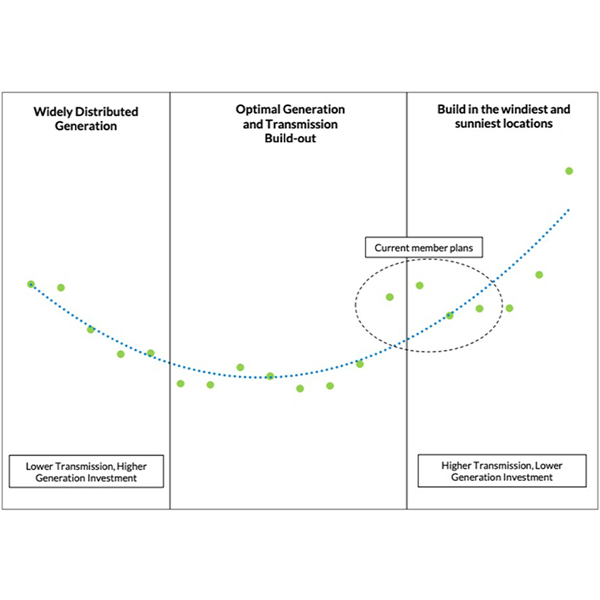
Expanding transmission can reduce electricity costs for consumers, but only if the buildout uses consumer welfare as the North Star and ignores narrow political or business interests, say Travis Fisher and Nick Loris.

© RTO Insider LLC
FERC provided additional clarity on its directive that NERC submit informational filings on the implementation of its most recent cold weather standard.
Want more? Advanced Search
