
Midcontinent Independent System Operator (MISO)
© RTO Insider
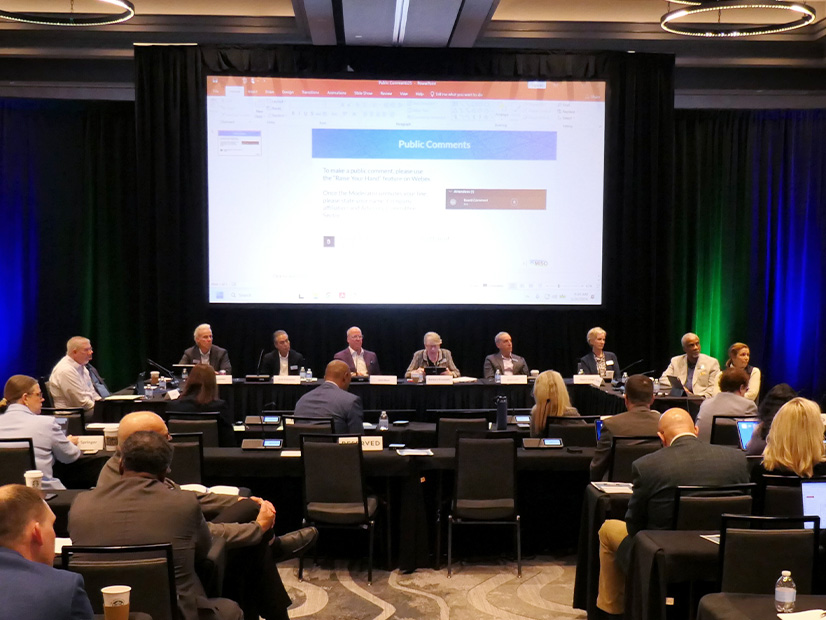
A sitting state commissioner and two former regulators have asked MISO to publicly share any information it might gather on its Independent Market Monitor’s possible involvement in a five-state complaint against the RTO’s long-range transmission planning.
© RTO Insider
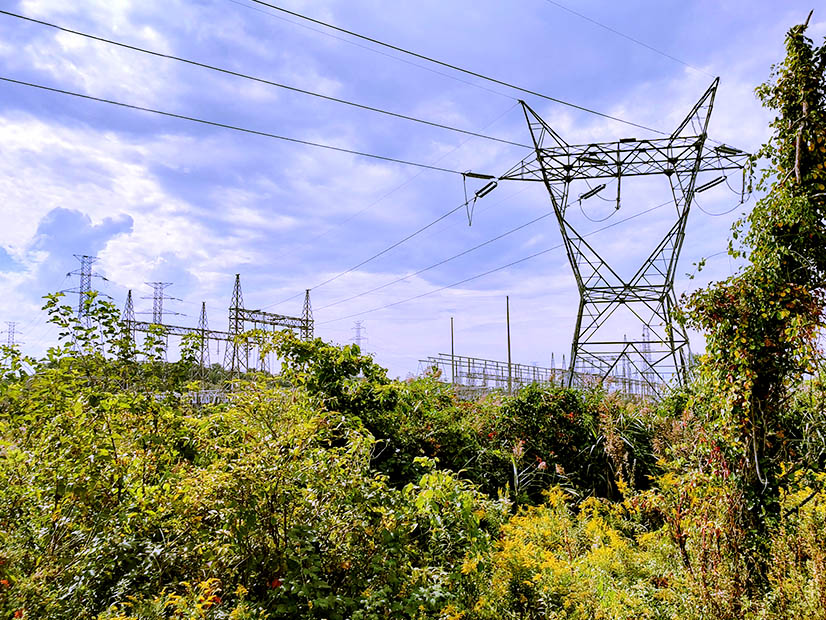
The Electricity Transmission Competition Coalition and the Industrial Energy Consumers of America have mounted a challenge to MISO’s proposed method for building portions of long-range transmission projects that cross into PJM.
Edison International / ThinkLabs AI
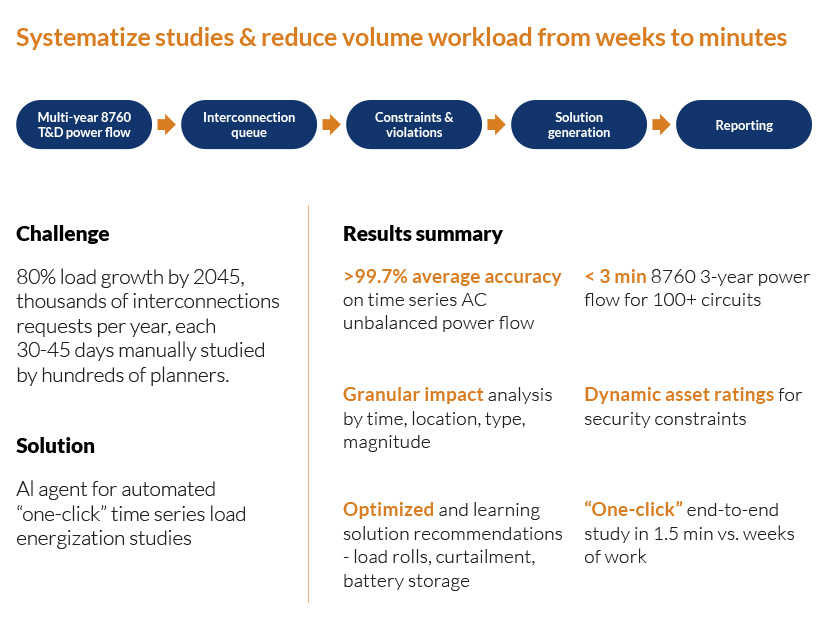
Artificial intelligence will replace most traditional utility planning and operational processes within a decade, says Josh Wong, CEO of ThinkLabs AI.
Midwestern Regional Climate Center and MISO
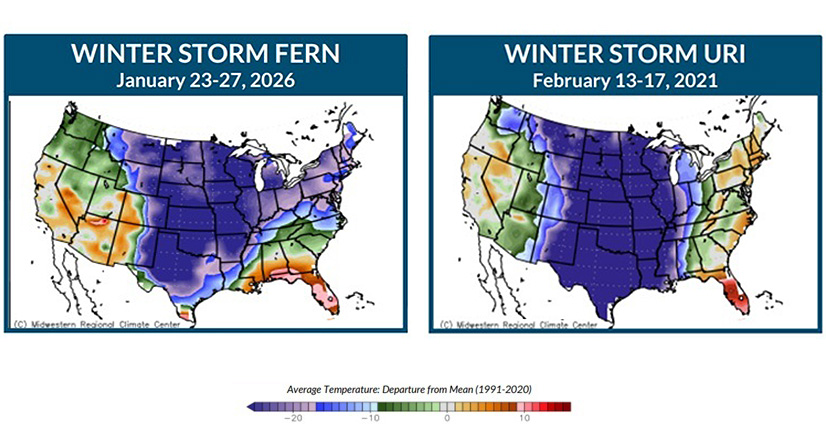
MISO’s maximum generation emergency event during a harsh winter featured under-forecast demand, issues with pricing software and day-ahead models so bogged down by complexity that they took longer to solve.
© RTO Insider
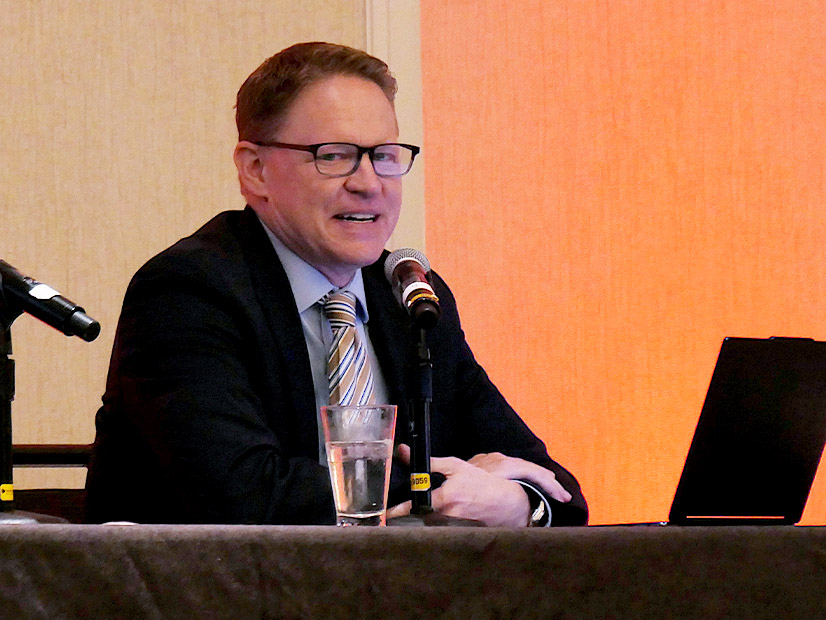
The MISO independent market monitor is just that — independent, writes Bill Malcolm. "He should not be shown the door but should be allowed to continue to do his job and also to talk to state regulators who seek his advice."
© RTO Insider
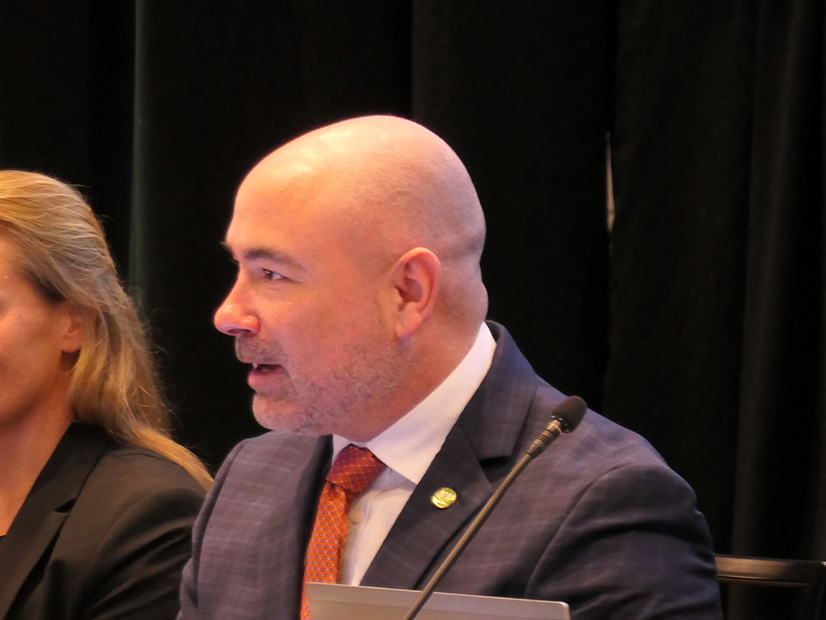
FERC Commissioner David LaCerte encouraged MISO players to bring their boldest ideas forward that could help return the electric industry to a more humdrum reliability baseline.
MISO
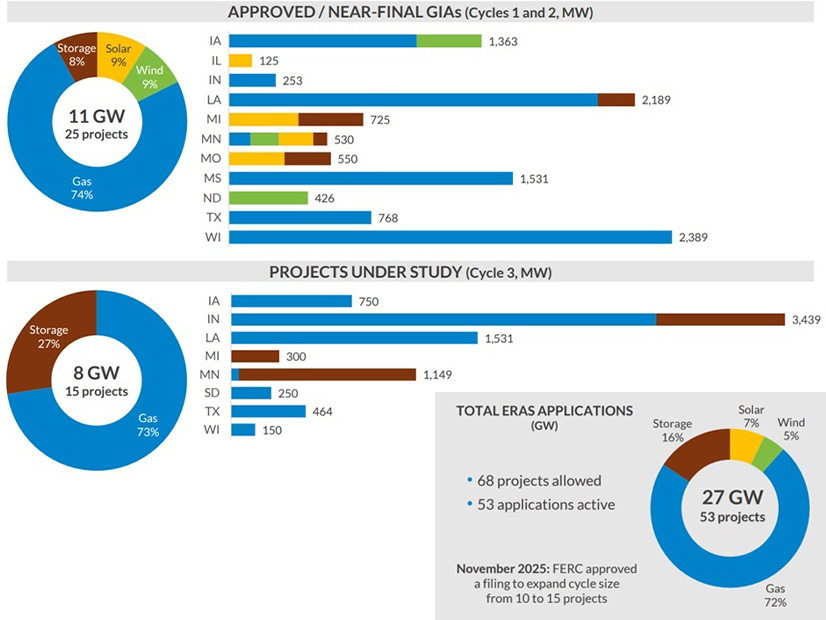
In a case of déjà vu, MISO announced that NERC is poised to issue a follow-up to its Long-Term Reliability Assessment that stands to lower the RTO’s reliability vulnerability from “high risk” to “elevated.”
© RTO Insider
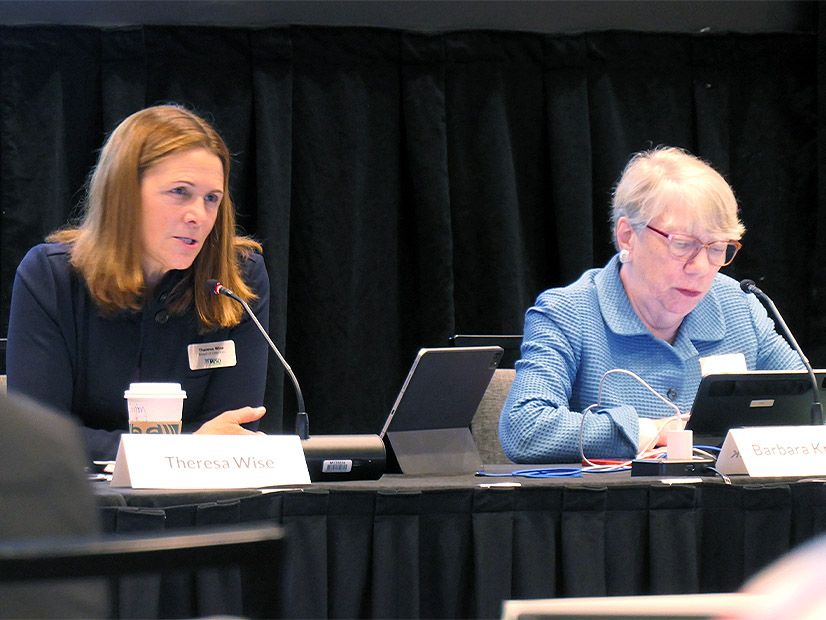
A new group formed to represent electric ratepayer interests has raised questions about interactions between MISO’s Independent Market Monitor and the state regulatory agencies seeking to overturn the RTO’s $22 billion long-range transmission portfolio through a FERC complaint.
MJ Electric
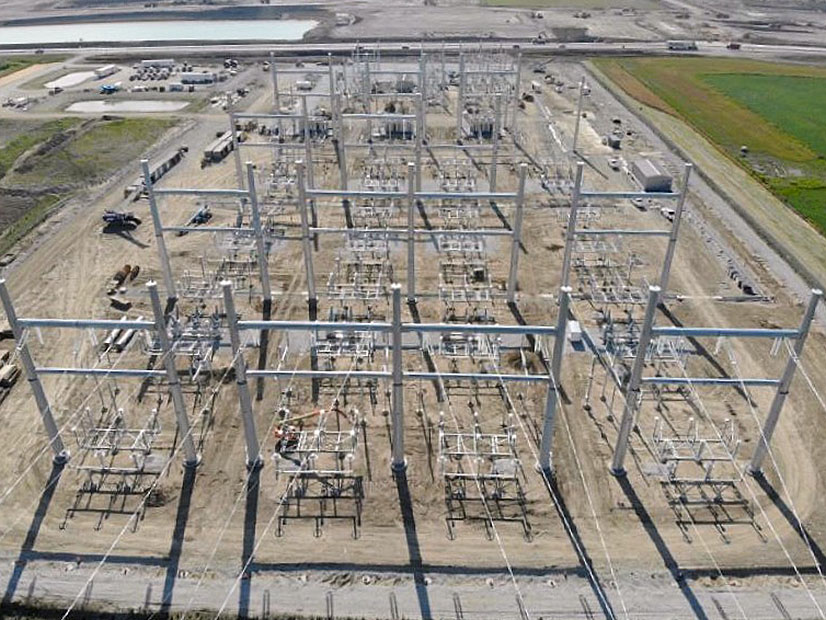
MISO announced it will reassign multimillion-dollar substation work in Wisconsin to American Transmission Co. in order to meet a sped-up construction timeline for data center load.
MISO
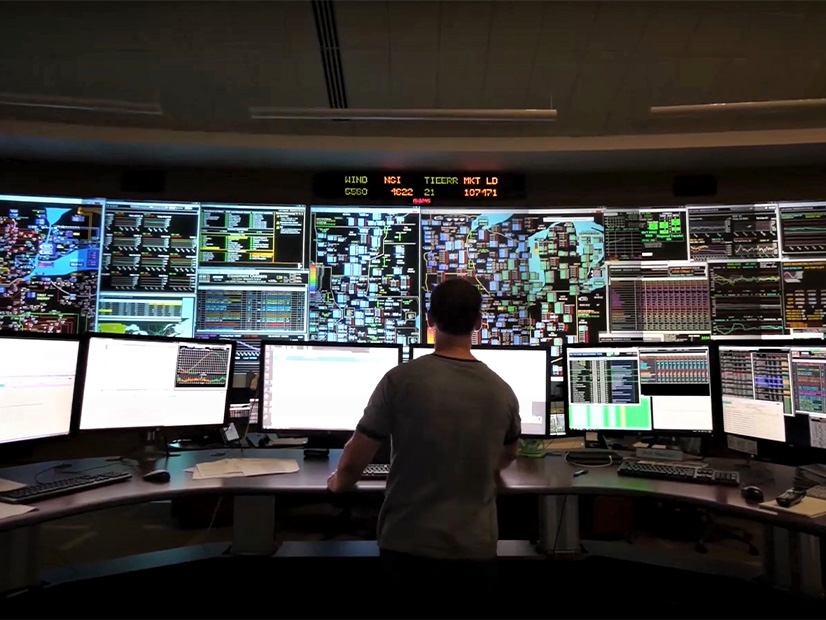
MISO said its most recent financial estimates show operating costs continuing to creep up through 2030, making $500 million annual operating budgets the norm and forcing it to collect more from members.
Want more? Advanced Search
