Midcontinent Independent System Operator (MISO)
Yes Energy
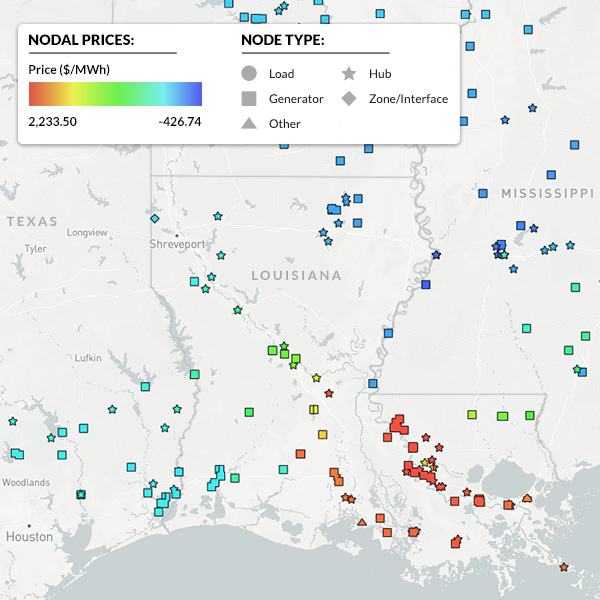
MISO has shed light on the reasons behind the May 25 load-shed event in southeast Louisiana, describing a system taxed by early summer heat and rife with congestion and unavailable generation.

Cooperative Energy
MISO confirmed it will make a second bid to FERC to establish a temporary fast lane in its interconnection queue, this time limiting the process to 50 generation projects.
Entergy
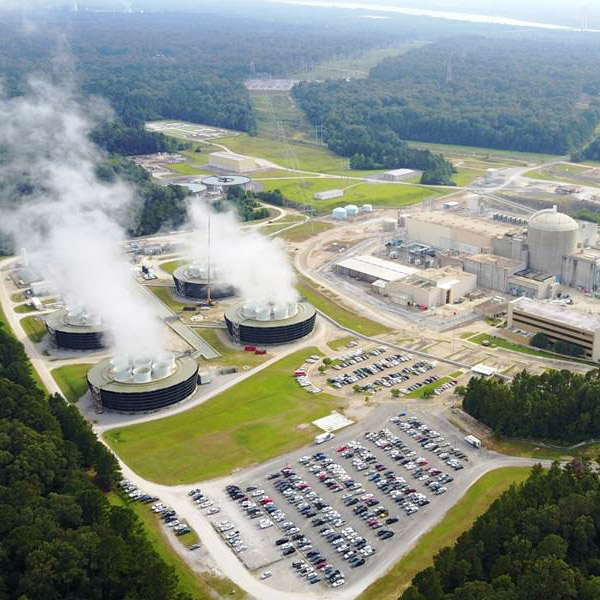
Entergy and Cleco were told to shed load in Louisiana in an attempt to avoid a bigger outage that could affect the stability of the grid.

© RTO Insider
MISO said starting with the 2026/27 planning year, it will require its demand response resources to demonstrate actual demand reductions through tests to weed out imposters in the capacity market.
MISO
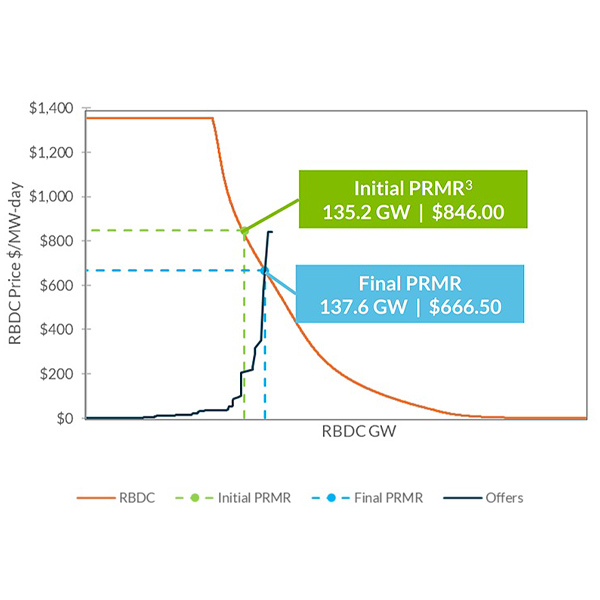
Stakeholders continue to ask MISO to crunch hypothetical auction clearing prices absent the RTO’s new sloped demand curve that sent prices past $660/MW-day for summer.
© RTO Insider
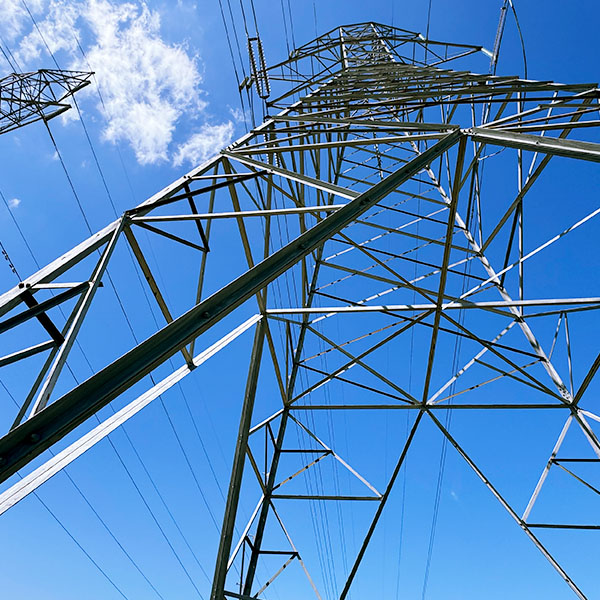
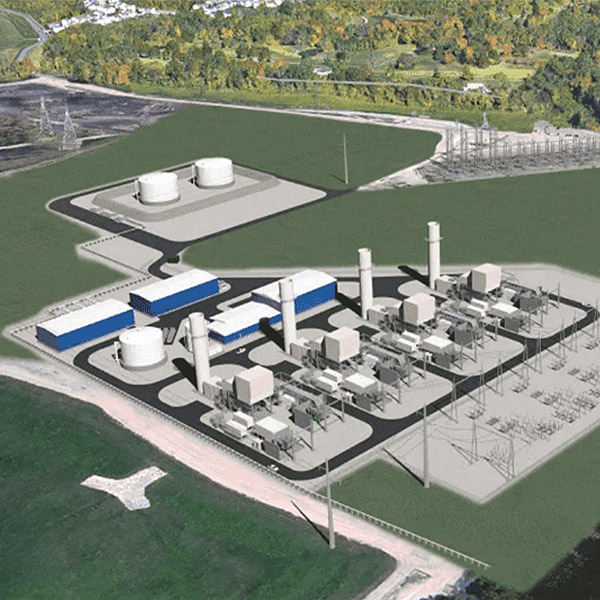
MISO generation developers pushed back on MISO’s cost allocation of the $1.65 billion Joint Targeted Interconnection Queue, reportedly saying MISO’s late-stage alterations have eroded the value of the seams planning.
Sargent & Lundy
FERC refused MISO’s first attempt to enact a special pathway in its interconnection queue for generation projects labeled necessary by state regulators.

© RTO Insider
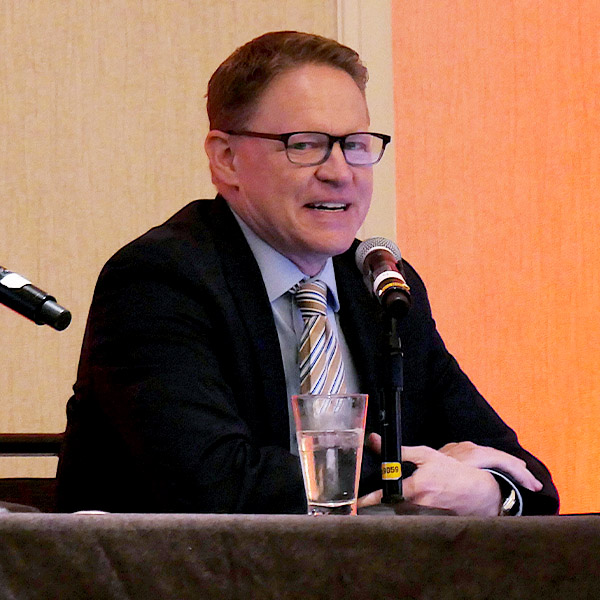
MISO CEO John Bear put a positive spin on the grid operator making do with little cushion in its supply.
© RTO Insider
MISO Independent Market Monitor David Patton addressed the recent controversy surrounding his longstanding criticism of MISO’s latest, $22-billion long-range transmission portfolio at the Organization of MISO States’ Resource Adequacy Summit.
NERC
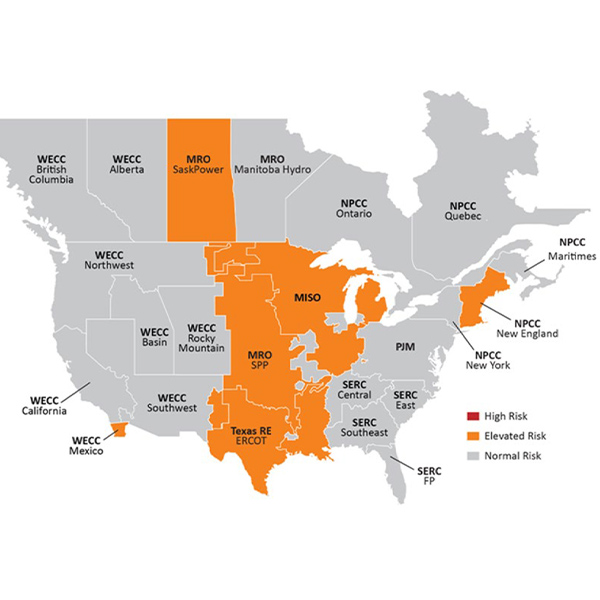
NERC's Summer Reliability Assessment found that energy shortfalls are possible this summer in the middle of North America, New England and Baja California.
Want more? Advanced Search