Midcontinent Independent System Operator (MISO)
ITC Midwest
MISO said it doesn’t think it needs to step up cost monitoring on its ever-larger transmission projects as some stakeholders call for tighter measures.
Entergy
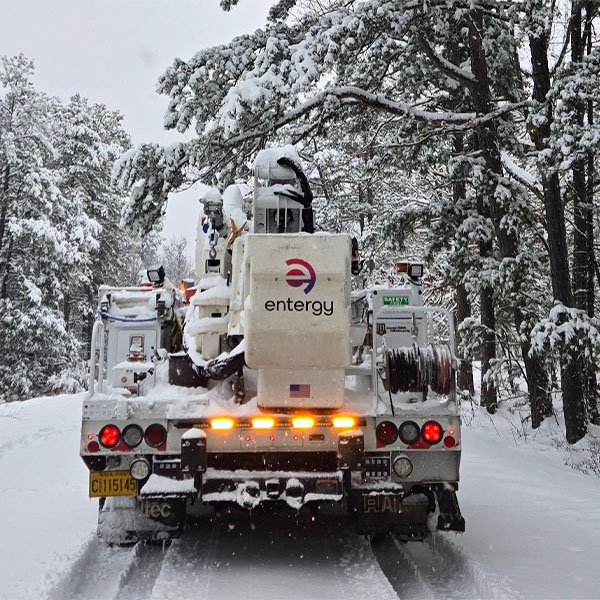
The MISO South region relied on transfers from the Midwest to handle a record, 33-GW winter peak during a late January winter storm.

© RTO Insider LLC
MISO and SPP executives promised to open their queues’ floodgates at the Gulf Coast Power Association’s annual MISO-SPP conference.
© RTO Insider LLC
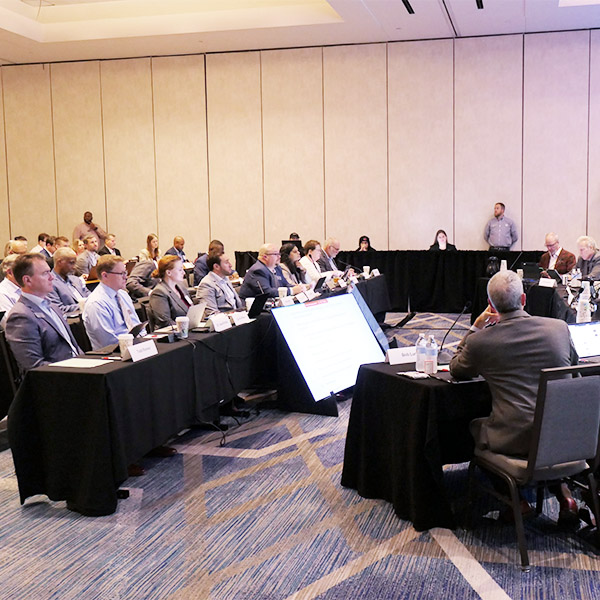
Board members have directed MISO to seek guidance on the role of the Independent Market Monitor in transmission planning following a year of IMM David Patton criticizing MISO’s nearly $22-billion long-range transmission portfolio.
J. Ranck Electric
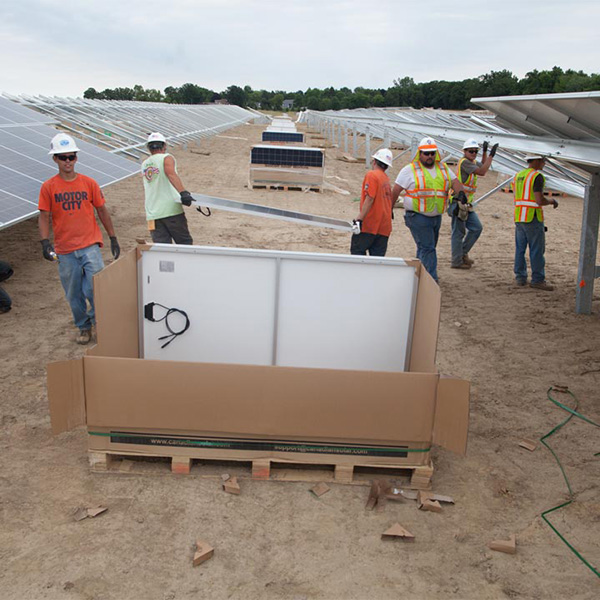
MISO members teed up a discussion on the approximately 57 GW of approved but unfinished generation in the footprint that will be a focal point of MISO’s quarterly Board Week in March.
© RTO Insider LLC
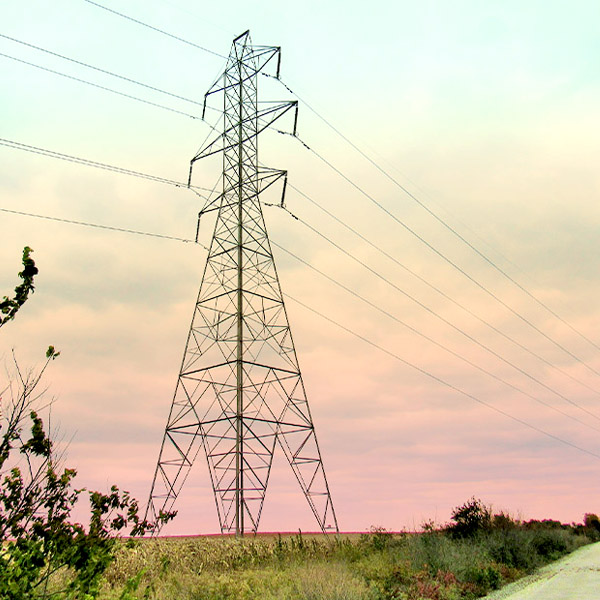
MISO transmission owners have again taken arguments against FERC’s most recent return on equity decision to the D.C. Circuit Court of Appeals.
Xcel Energy
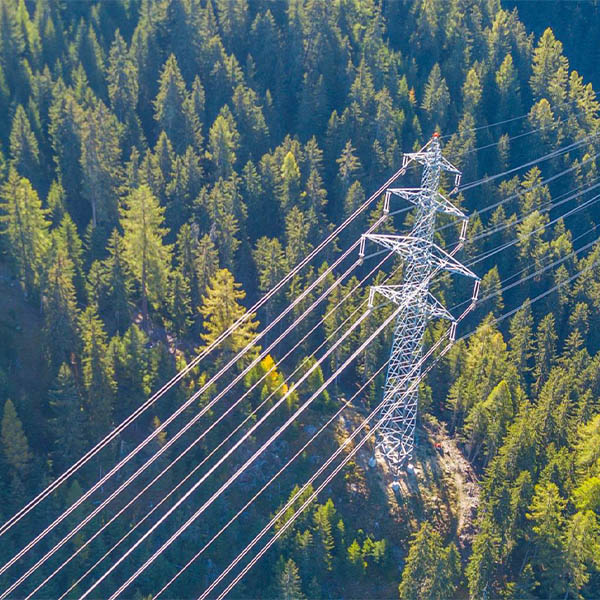
Xcel Energy CEO Bob Frenzel said the Trump administration’s energy-related executive orders will have little effect on the company’s operations.
CenterPoint Energy
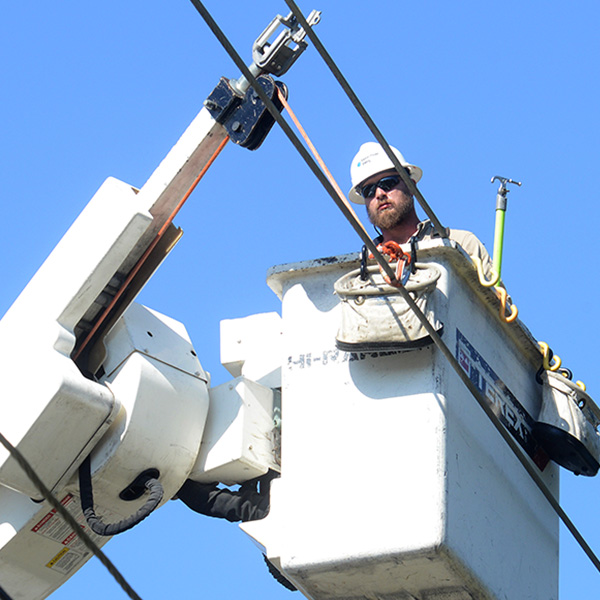
LS Power has lodged a complaint against MISO for treating Indiana’s right of first refusal law as if it’s in effect when it’s under a preliminary injunction.
Citizens Electric Corp.
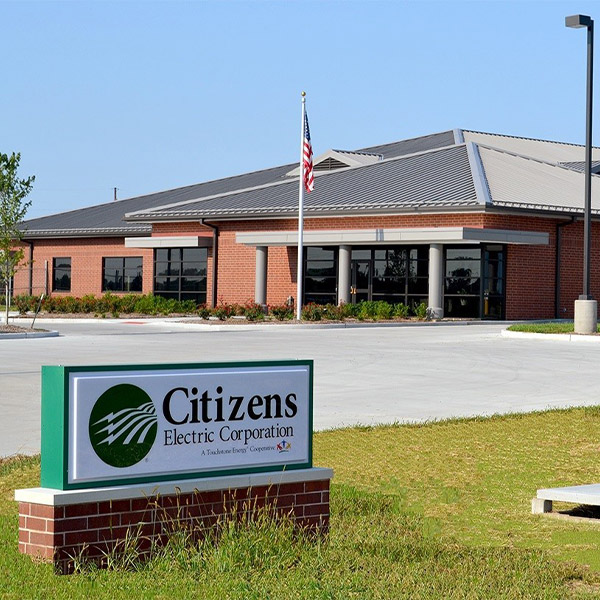
FERC ordered hearing and settlement proceedings into a Missouri electric distribution cooperative’s effort to split from the Wabash Valley Power Association and earn rates on its own as a transmission owner in MISO.
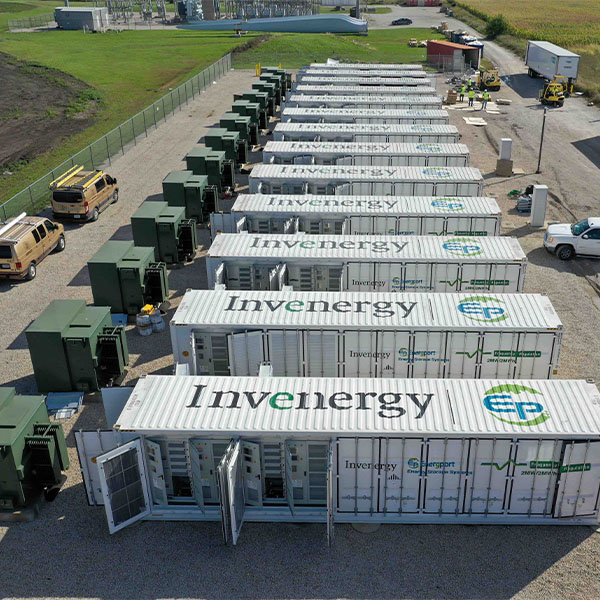
Invenergy
FERC has given MISO an all-clear to cap project hopefuls lining up for its overflowing generator interconnection queue at 50% of the RTO’s peak load.
Want more? Advanced Search