
Solar Energy Industries Association (SEIA)
Wood Mackenzie
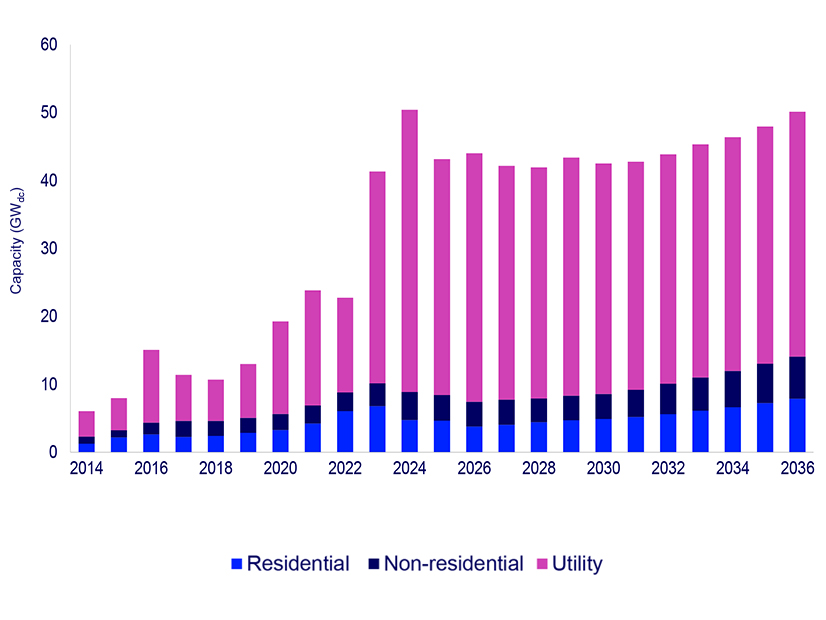
Nearly 40% fewer U.S. solar power projects reached completion in the fourth quarter than in the third quarter as developers pivoted to start new projects in time to qualify for tax credits.
ATC and ITC Midwest
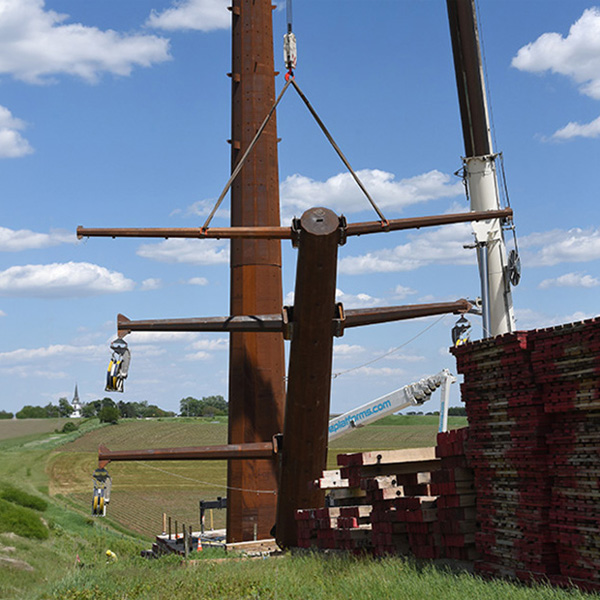
Senators in both parties want to pass permitting legislation, but Democrats will not move forward on a bill unless they get assurances the Trump administration will stop impeding clean energy projects.
NextEra Energy
FERC ruled that MISO is free to continue using its interconnection queue fast lane, shutting down rehearing requests from several clean energy organizations.
Shutterstock
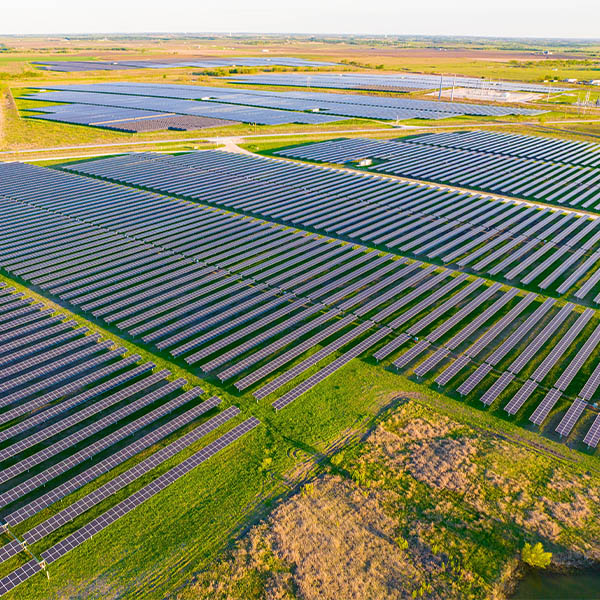
The degree of risk and uncertainty springing from indifferent or outright obstructive new federal policies in 2025 has trimmed planned solar deployment.
Solar Energy Industries Association
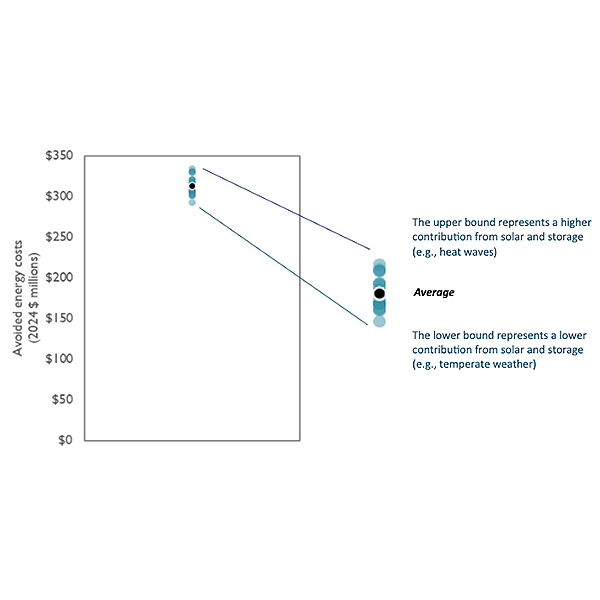
A new report estimates that solar and battery storage growth in New England between 2025 and 2030 could reduce wholesale energy costs across the region by about $684 million annually by 2030.
SEIA
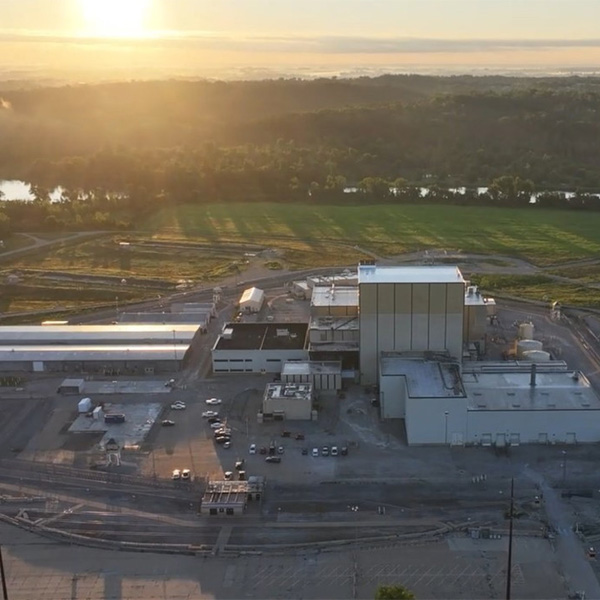
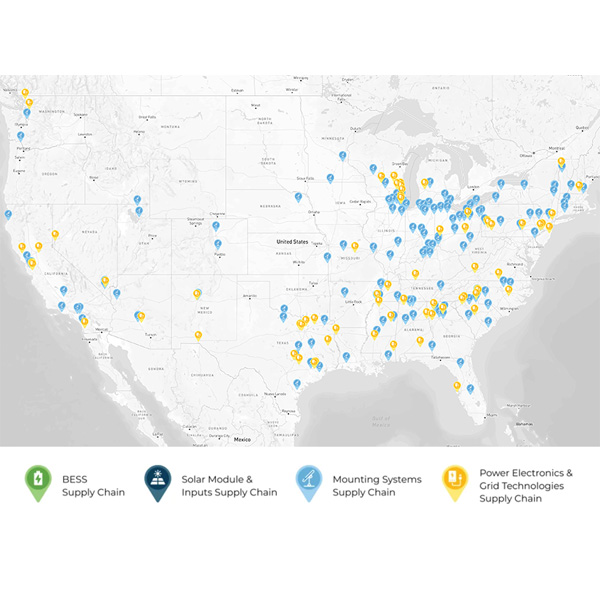
With the start of production at an ingot and wafer factory in Michigan, all components of a photovoltaic solar module can now be sourced from U.S. manufacturers.
Shutterstock
FERC denied two clean energy associations' request that it encourage NERC to complete its examination of a recent standard on inverter-based resources quickly.

© RTO Insider
If the U.S. clean energy industry had to lose the federal incentives, it could not have happened at a better time, says columnist K Kaufmann.
EMC Engineering Services
The D.C. Circuit Court of Appeals upheld an earlier decision that sided with FERC on a PURPA case without using Chevron deference, agreeing with the commission's statutory interpretation.
SEIA
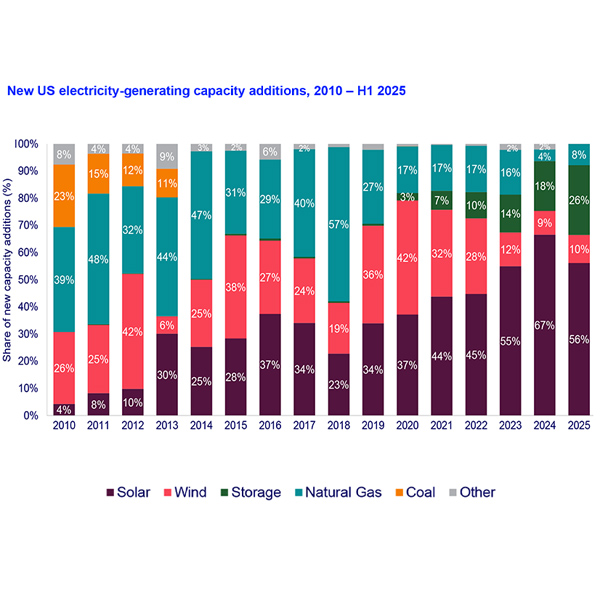
A new report quantifies the buildout of solar power generation in 2025 and forecasts the slowdown expected to result from federal policy changes.
Want more? Advanced Search
