
Southern Alliance for Clean Energy (SACE)
Southern Alliance for Clean Energy
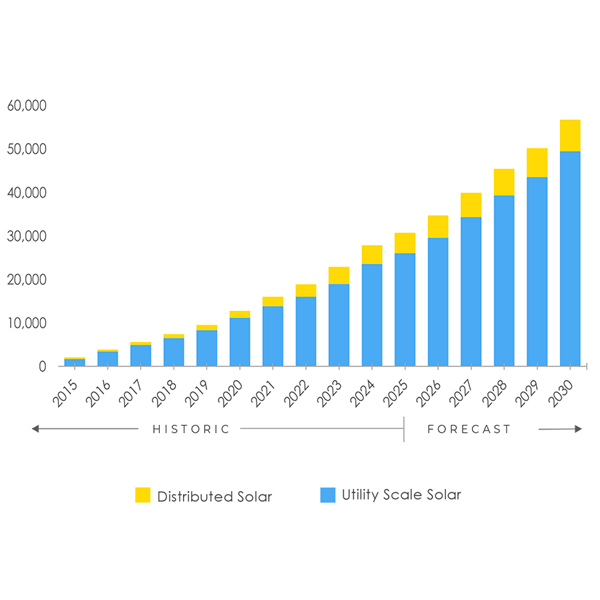
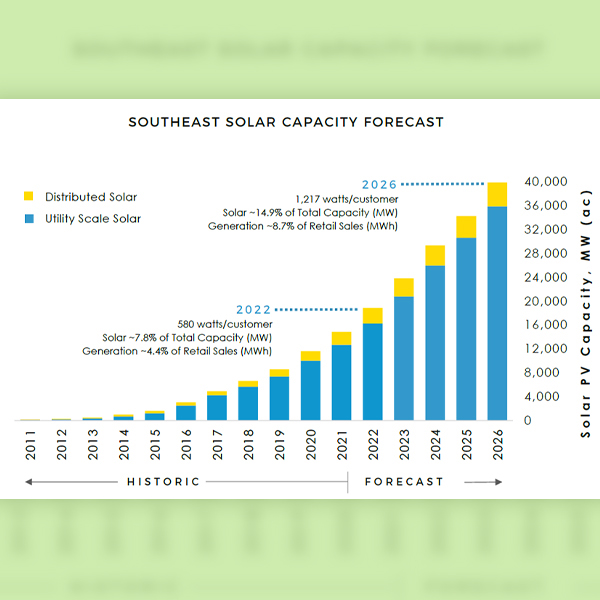
Solar power generation will expand strongly but not uniformly in Southeast states through the 2020s, the Southern Alliance for Clean Energy says in its annual solar report.

Georgia Power
Georgia Power will add at least 6 GW of new generation capacity by 2031, and potentially as much as 8.5 GW, under its recently approved integrated resource plan.
SEEM
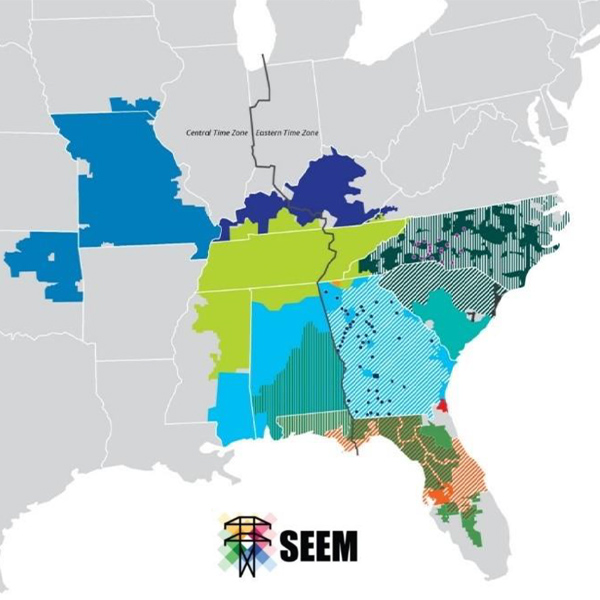
FERC responded to critics of the Southeast Energy Exchange Market, clarifying its use of the comparability standard to justify the market.
D.C. Circuit Court of Appeals
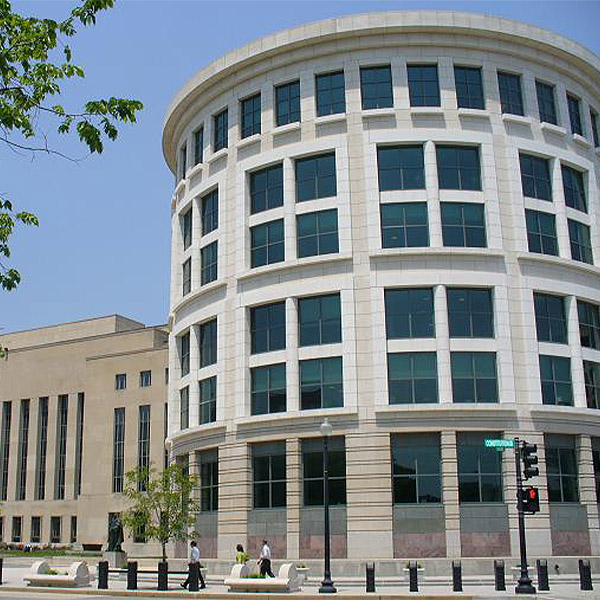
Opponents of the Southeast Energy Exchange Market said FERC's language calling for revisions to the market agreement was unclear and suggested changes to remove potential confusion.
SEEM
SEEM's opponents argued that FERC should recognize the market as a loose power pool and regulate it accordingly.
TVA
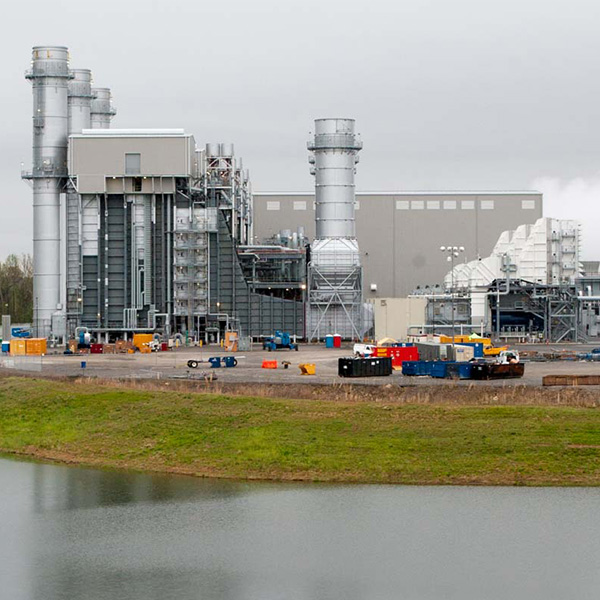
The Tennessee Valley Authority is insisting its second rate increase in two years is necessary to build new generation despite the Southern Alliance for Clean Energy condemning the latest hike as clandestine and used to support fossil fuel investments.
Atlas Public Policy/SACE
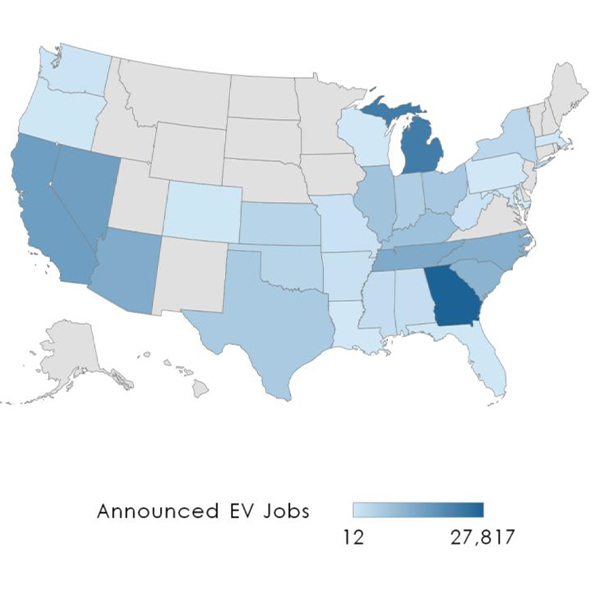
The Southeast Alliance for Clean Energy's report found that despite being responsible for 40% of all new investments in EV manufacturing, sales in the Southeast range from only 2.5% to 7% of vehicle sales, below the national average.

GE Hitachi and TVA
The Tennessee Valley Authority doesn’t appear ready to fast-track its decarbonization plans despite receiving a letter this month from 10 members of Congress urging it to chart a path to 100% clean energy by 2035.
Southern Alliance for Clean Energy
The Southeast’s solar capacity will more than double — to 40 GW — by 2026, according to a report by the Southern Alliance for Clean Energy.
TVA
The Memphis Light, Gas and Water Board of Commissioners unanimously rejected a 20-year, rolling power supply contract with the Tennessee Valley Authority.
Want more? Advanced Search
