
Stakeholder Forum
If you would like to submit an opinion piece related to energy policy or regulation, send it to forum@rtoinsider.com.

ICF EnergyInsite
An alternative to connecting a large data center load to the electrical grid is a private, fully off-grid energy system, writes Travis Fisher of Cato.

Shutterstock
Misguided NIMBYism or corporate welfare either obstructs the building of new data centers or compels taxpayers to subsidize them, writes energy consultant Kenneth W. Costello.
Entergy
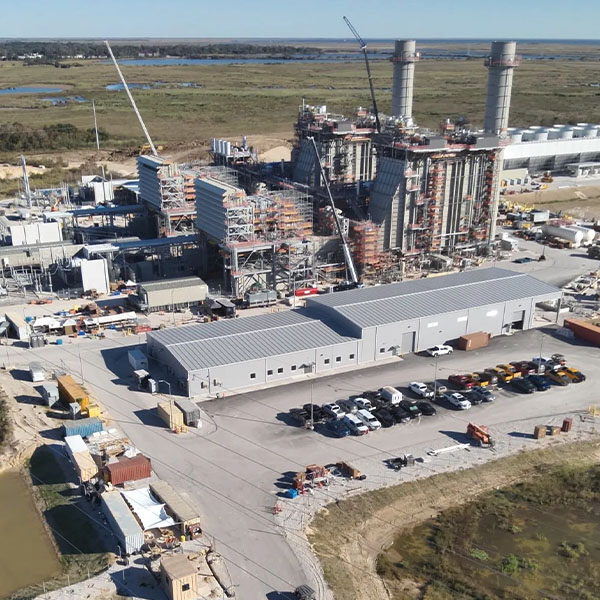
The new ERAS processes in MISO and SPP allow certain power plants to effectively jump the interconnection line, skipping ahead of hundreds of other projects already waiting their turn, writes Southern Renewable Energy Association Executive Director Simon Mahan.
© RTO Insider
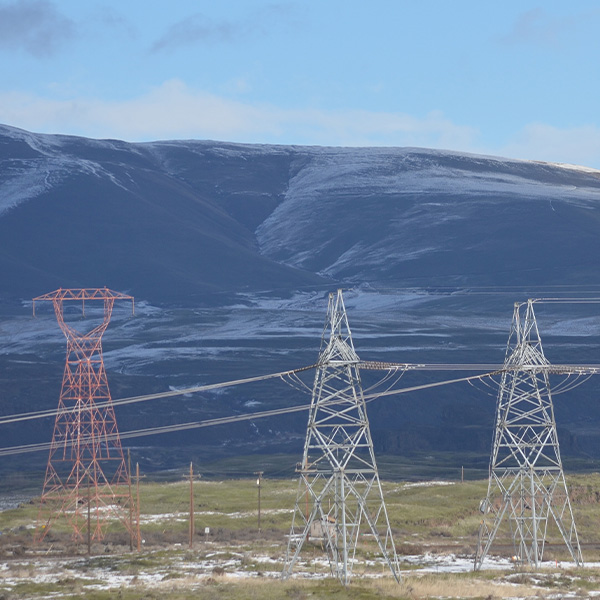
Achieving Washington's and Oregon's goals of 80% clean/decarbonized energy by 2030 will be difficult because of the transmission access and construction realities, writes Randy Hardy.

Public Domain via Wikimedia Commons
Alison Williams of Power for Tomorrow argues that vertically integrated utilities are shielding customers from price spikes while supporting economic growth.

© RTO Insider LLC
ERCOT is absorbing a wave of large, price‑sensitive load, especially data centers, faster than the market rules were built to 'productize,' writes Alexandre Alonso Carpintero in an opinion piece.
ICF EnergyInsite
A commitment to “growth pays for growth” and properly structuring tariffs and energy supply agreements can ensure data centers pay all their costs, writes Nick Myers of the Arizona Corporation Commission.

Shutterstock
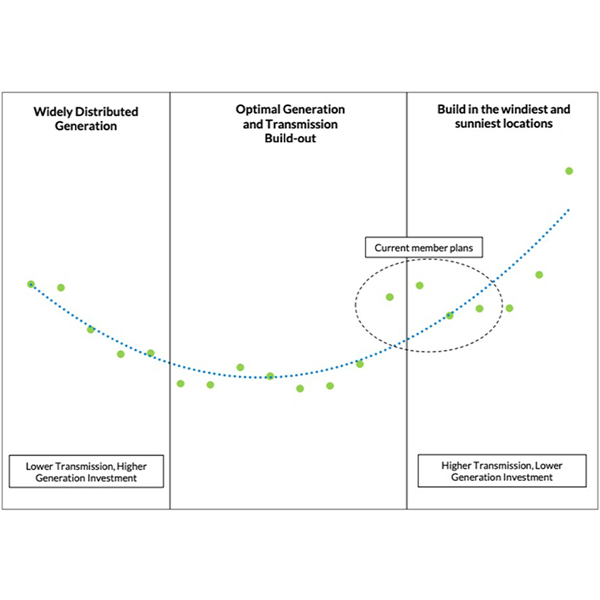
Regulators attempt to balance the interests of the different stakeholders with the overall goal of promoting the general good. This has become increasingly difficult as regulators must cope with new interests, says energy consultant Kenneth W. Costello.
MISO
Expanding transmission can reduce electricity costs for consumers, but only if the buildout uses consumer welfare as the North Star and ignores narrow political or business interests, say Travis Fisher and Nick Loris.
Shutterstock
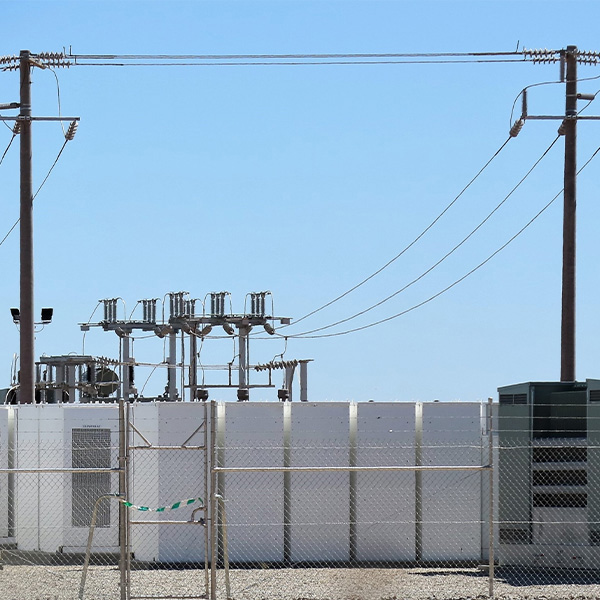
For the first time in PJM history, the market signal for flexible capability such as battery storage is strong, consistent and grounded in clear system need, says Ali Karimian of GridBeyond.
Want more? Advanced Search
