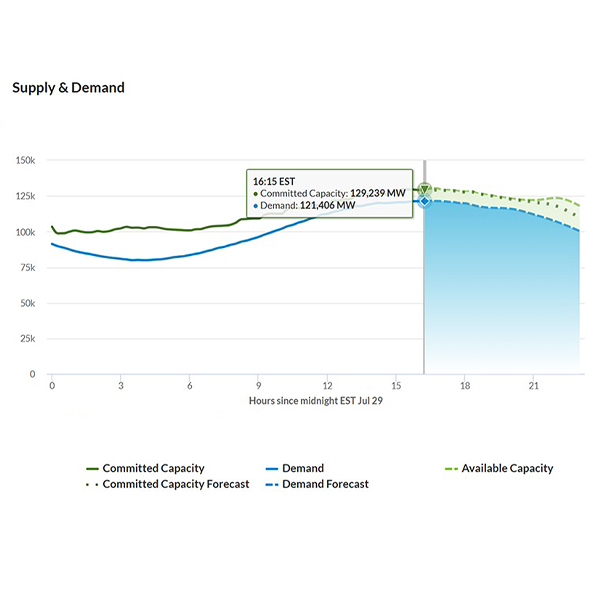
PJM’s Kevin Hatch presented an update on how two heat waves between July 14-17 and 23-30 affected PJM operations, which involved multiple demand response deployments and emergency alerts and advisories.
MISO issued a slew of warning notices and operating instructions — especially in the South region — to help deal with oppressive July heat, forced generation outages and strained transmission.
Below-average temperatures in California this summer have reduced demand and made electric grid operations uneventful so far, with the state reaching 40,000 MW of demand for the first time in July.
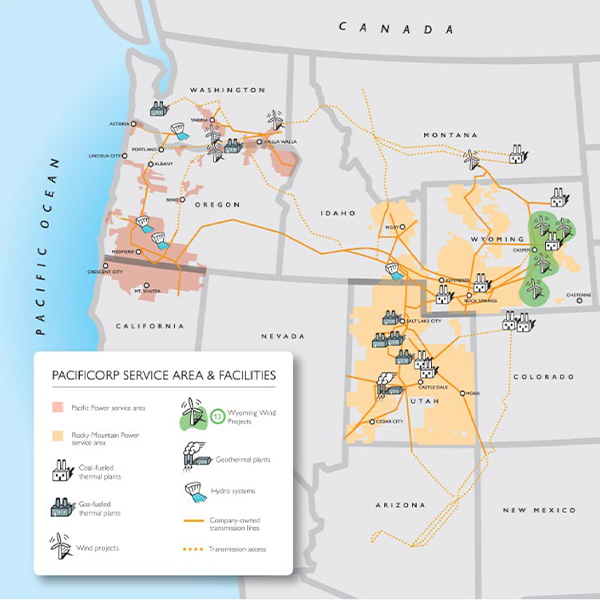
Portland General Electric told Oregon regulators that after decades of electricity flowing from north to south through its system during the summer, the flow on a typical summer day has reversed.
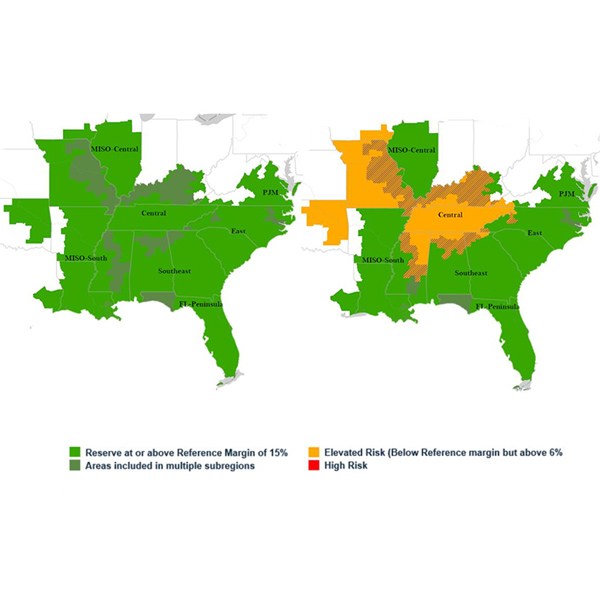
SERC said all subregions should have enough resources to handle normal summer conditions, but the Central subregion may see energy shortfalls during periods of extreme heat.
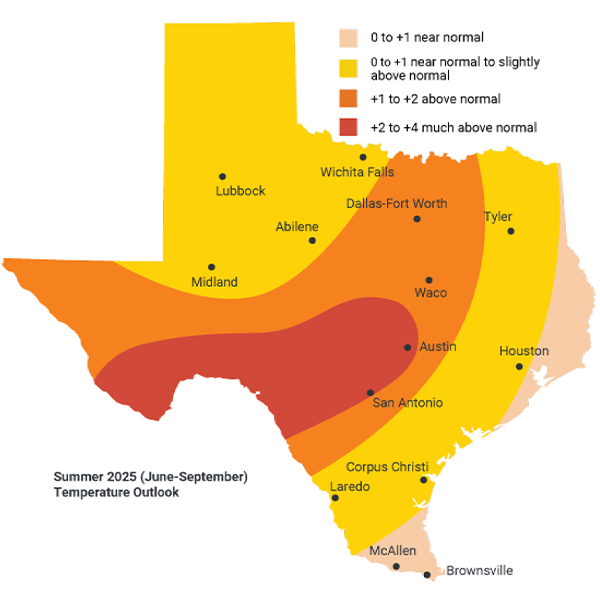
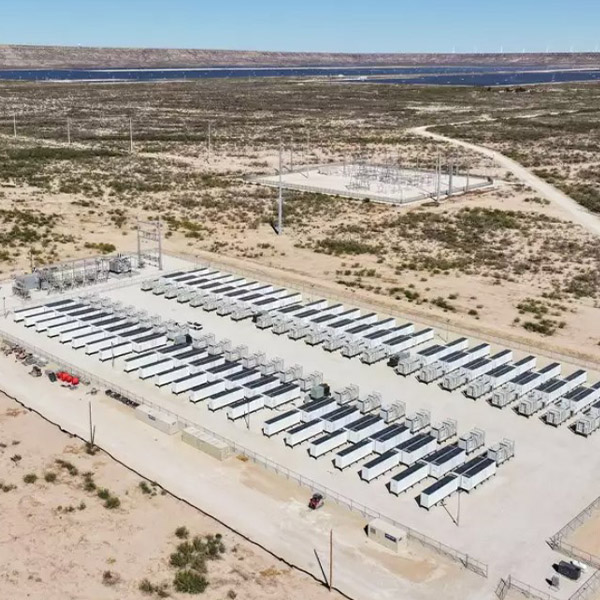
Rapid growth in battery energy storage systems in ERCOT has resulted in a “significantly lower” probability for an energy emergency alert this summer, according to the Texas Reliability Entity.
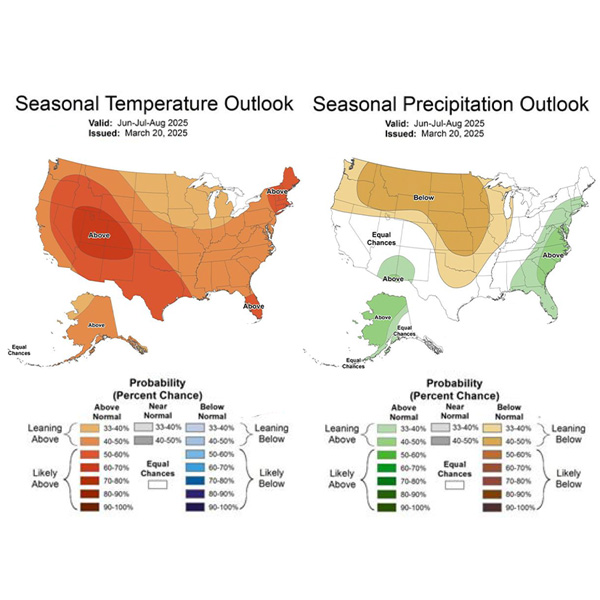
SPP expects to have a “high probability” of enough generation to meet demand during peak-use hours this summer, despite predictions of higher-than-average temperatures in the RTO’s footprint.