U.S. Department of Energy (DOE)

Shutterstock
According to Kelley Blue Book, the slow-down in EV sales could be a sign that "EVs are almost mainstream cars in parts of the country. Segment growth typically slows as volume increases."
DOE/NREL
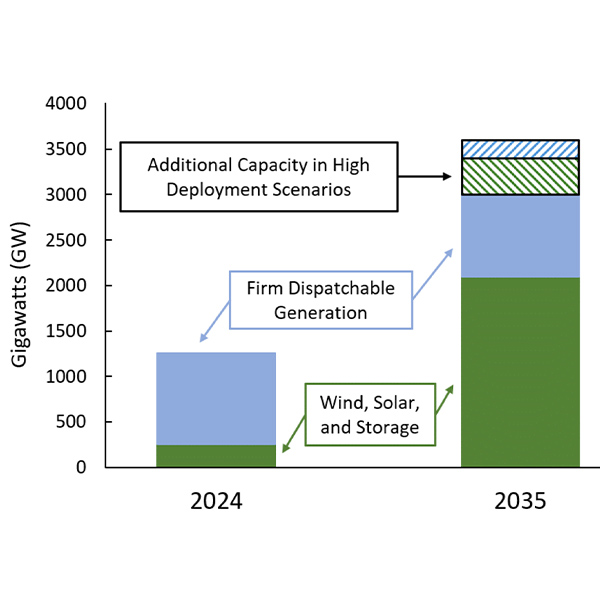
Streamlining and accelerating permitting is just one of the potential uses DOE envisions for AI to accelerate the U.S. power system’s transition to 100% clean energy and the modern, efficient, secure grid needed to reach that goal by 2035.

© RTO Insider LLC
With the Supreme Court likely to overturn Chevron deference, the general counsels of FERC and the Department of Energy told the Energy Bar Association they doubt it would lead to massive issues with their agencies.

© RTO Insider LLC
Under the Coordinated Interagency Authorizations and Permits program, DOE will lead permitting transmission projects and coordinate environmental and permitting processes between federal agencies.

© RTO Insider LLC
FERC proposed adopting the latest version of the North American Energy Standards Board's best practices.

© RTO Insider LLC
The Department of Interior has set a new five-year schedule for as many as a dozen new offshore wind energy lease auctions and finalized an update of its regulations for renewable energy development in U.S. waters.
BloombergNEF
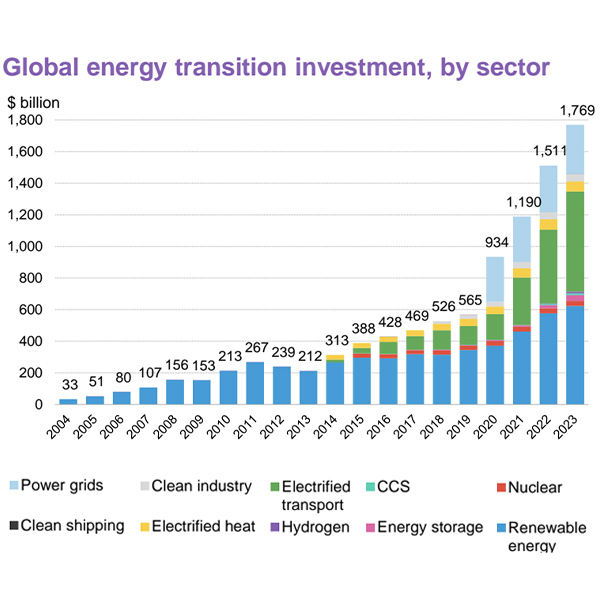
Global investment in passenger electric vehicles was up 36% in 2023, investment in energy storage jumped 77%, and investment in carbon capture and storage nearly doubled.
© RTO Insider LLC
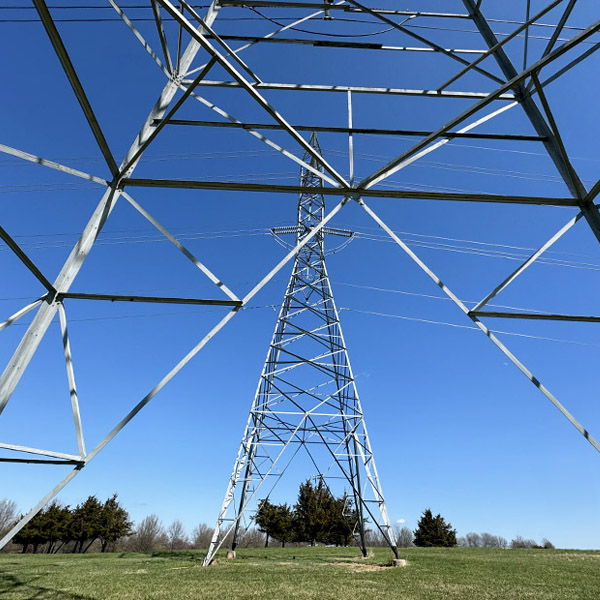
The six New England states have submitted two applications for federal funding for transmission projects aimed at improving grid reliability and enabling the interconnection of clean energy resources.
West-Wide Governance Pathways Initiative
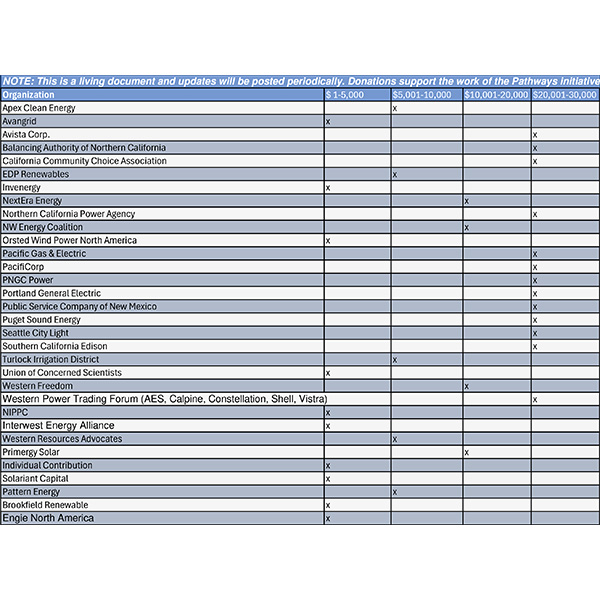
The West-Wide Governance Pathways Initiative applied for the money in January in response to a DOE Funding Opportunity Announcement, seeking two tranches of $400,000 each to be disbursed over two years to help support the effort build an independent Western RTO.
EIA
With electricity demand expected to undergo rapid acceleration by 2028, stakeholders must “pursue the full range of technology, planning and operation solutions” to meet resource adequacy needs, the DOE said in a report.
Want more? Advanced Search