
FERC & Federal
The Federal Energy Regulatory Commission is an independent regulatory agency that oversees the transmission of electricity, natural gas and oil in interstate commerce, as well as regulating hydroelectric dams and natural gas facilities.
EIA
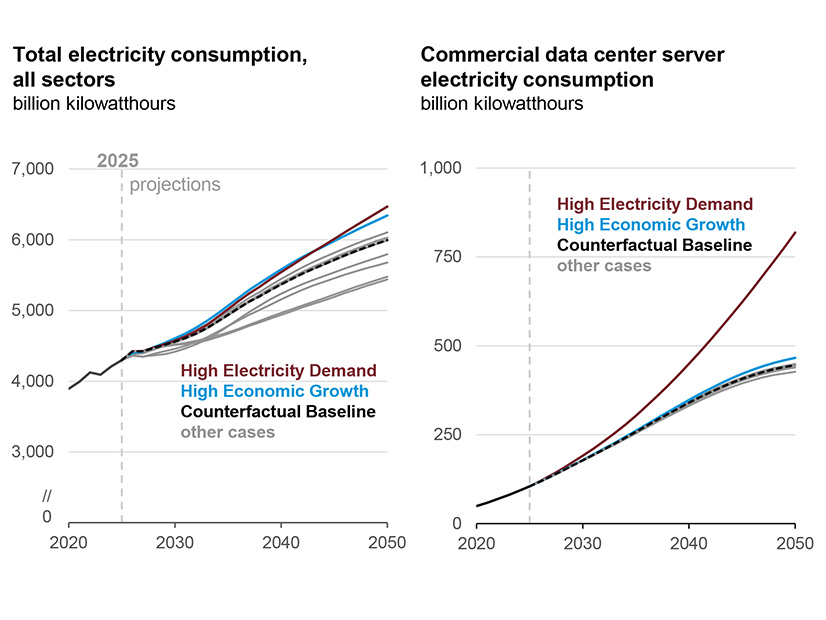
The Energy Information Administration’s 2026 Annual Energy Outlook forecasts major demand growth in the coming years.
Shutterstock
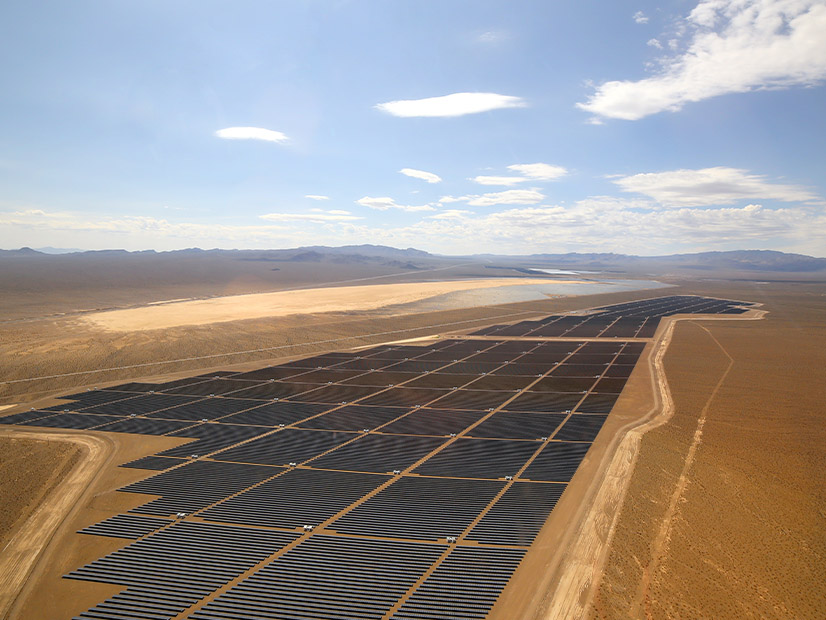
A new report quantifies what has been stated widely in general terms: The federal permitting process is delaying, downsizing and deterring clean energy projects.
Shutterstock
Puget Sound Energy and Avista told the Washington Utilities and Transportation Commission they have taken steps to build clean energy resources quickly to qualify for expiring federal tax credits, while voicing concern that limited transmission capacity and the state’s greenhouse gas targets pose challenges.
EIA
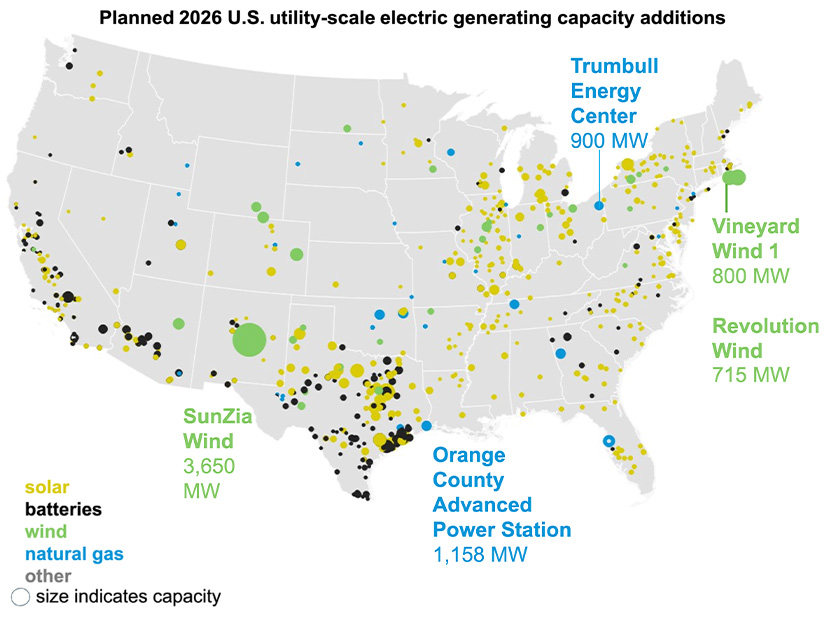
The EIA released a report that said a record 86 GW of utility-scale capacity is projected to be added to the grid in 2026, which if true, would far outpace the 53 GW of capacity added in 2025.
Oklahoma Municipal Power Authority
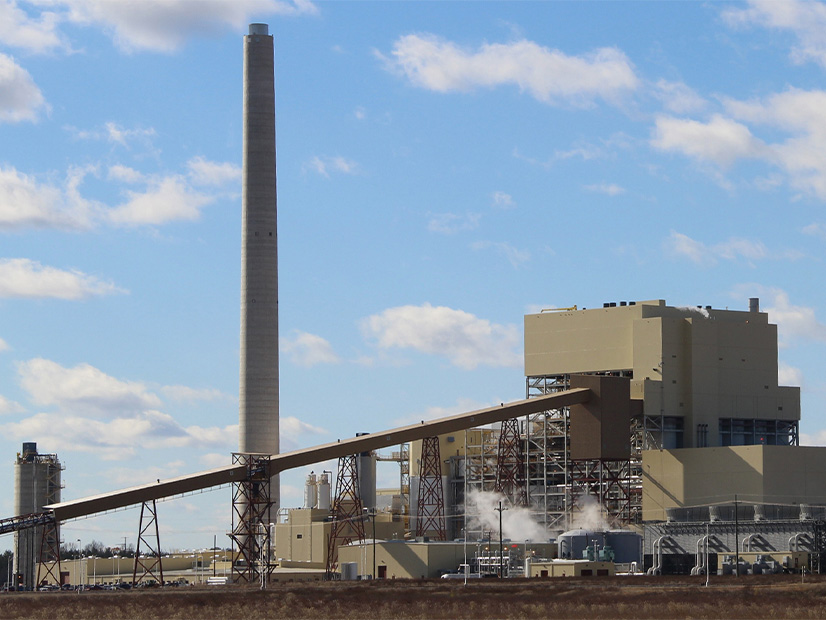
EPA revoked its 2024 updates to the MATS rules, which included regulation of non-mercury emissions and monitoring equipment requirements for all covered power plants.
ARCHES
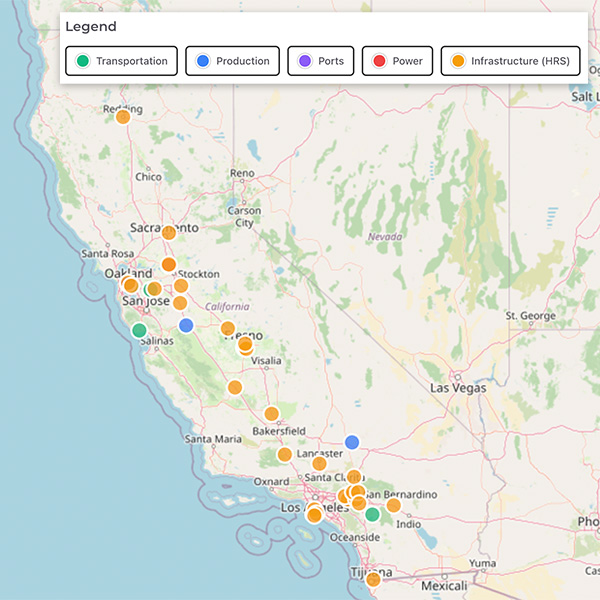
Thirteen blue states are suing the Trump administration for reversing Biden administration funding commitments worth $7.6 billion for energy and infrastructure projects.
Yes Energy
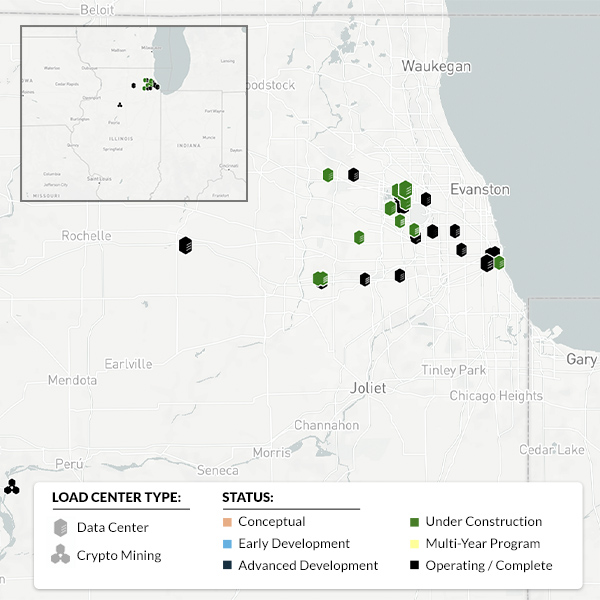
FERC approved four transmission security agreements between Exelon’s Commonwealth Edison and new data center customers in Illinois, laying out conditions for their transmission service.
© RTO Insider
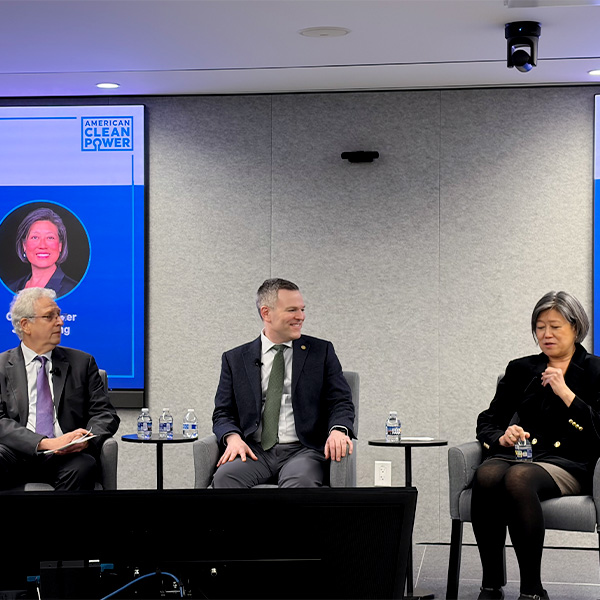
Data centers’ demand and speed-to-power prerogatives continue to dominate discussions in the electric industry, but some commonsense policy answers are starting to emerge, FERC Commissioners Judy Chang and David Rosner said.
© RTO Insider LLC
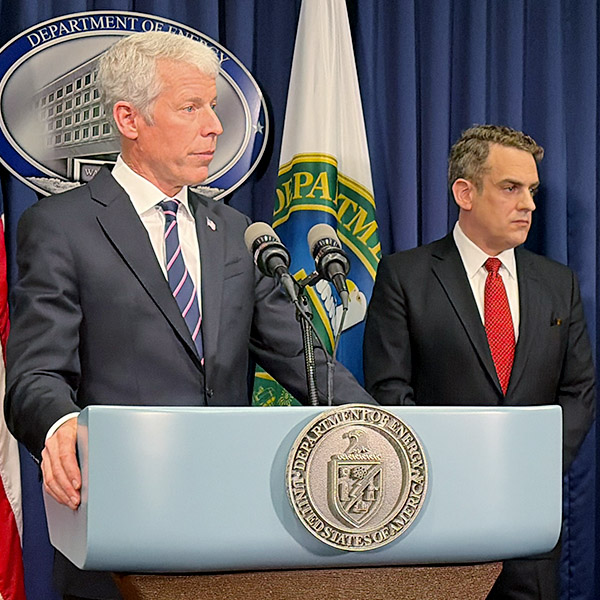
DOE's senior leadership highlighted how the grid relies on fossil fuels to make it through winter peaks.
© RTO Insider
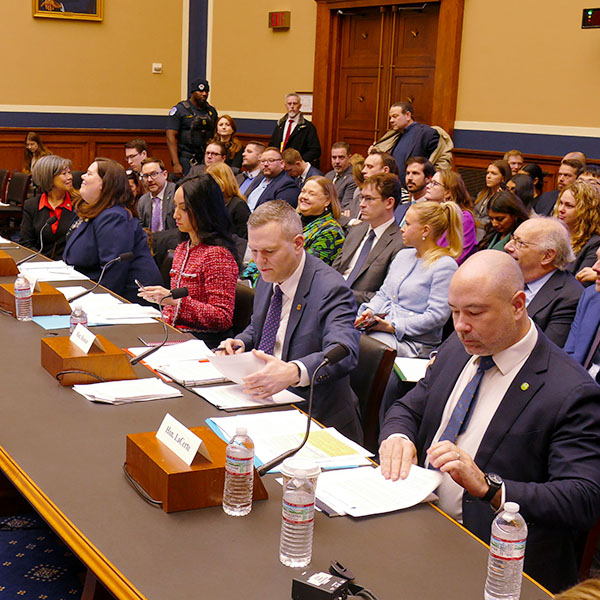
All five FERC commissioners faced questions from the House Energy and Commerce Subcommittee on Energy on how to balance reliability and affordability as demand grows.
Want more? Advanced Search
