Generation & Fuels
BioenergyFossil FuelsCoalNatural GasGeothermalHydrogenNuclearSMRRenewable PowerCommunity solarHydropowerOffshore Wind PowerOnshore Wind PowerSolar PowerRooftop solarUtility scale solar

© RTO Insider LLC
New York’s conundrum is how to ensure grid reliability and resilience as it calls for fossil fuel resources to be replaced by intermittent resources.

Sierra Club - Rio Grande Chapter
Gov. Michelle Lujan Grisham vetoed large portions of a tax package, cutting out tax credits for EVs, energy storage systems and geothermal electricity production.

© RTO Insider LLC
Last week’s New York Energy Summit yielded a bumper crop of opinions, updates and words of wisdom from the more than 60 panelists.

Walter Siegmund, CC BY-2.5, via Wikimedia
Washington LCFS credits will likely range from $35 to $45 per metric ton by 2025, lower than prices in neighboring areas, according to one carbon analysis firm.

Shutterstock
With hours to go until the end of their legislative session, Maryland lawmakers passed a law committing the state to developing 8.5 GW of offshore wind by 2031.

© RTO Insider LLC
Natural gas is in the crosshairs of New York’s decarbonization drive, but it will likely remain indispensable to the state’s energy portfolio for many years.
Shutterstock
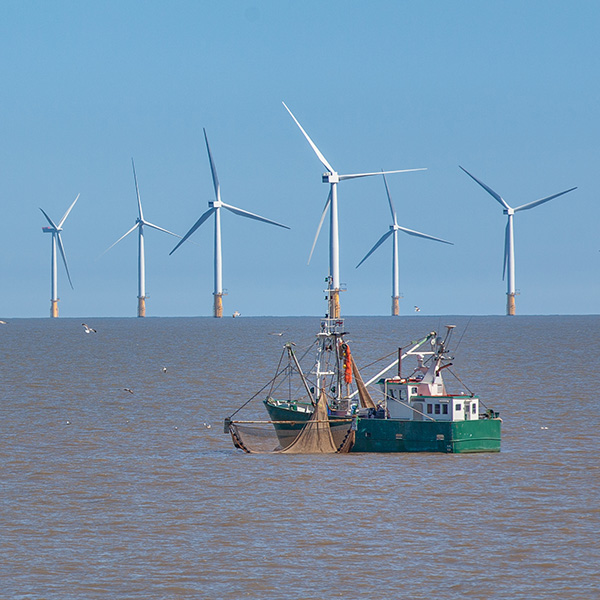
A report by two federal agencies and a fishing industry group identified major gaps in the understanding of offshore wind’s impact on marine ecosystems.

© RTO Insider LLC
Offshore wind will produce thousands of megawatts of electric power, way more than the onshore transmission system is currently able to absorb, an expert says.

The 2023 New York Energy Summit focused on the financial, regulatory and technology landscape in the state as it presses forward with its energy transition.

Shutterstock
EPA last week took the next step in its campaign to clean up coal-fired power plants, proposing to strengthen the Mercury and Air Toxics Standards.
Want more? Advanced Search