Generation & Fuels

New England utility regulators warned that knee-jerk reactions to backlash over high winter costs could create long-term consequences for customers.
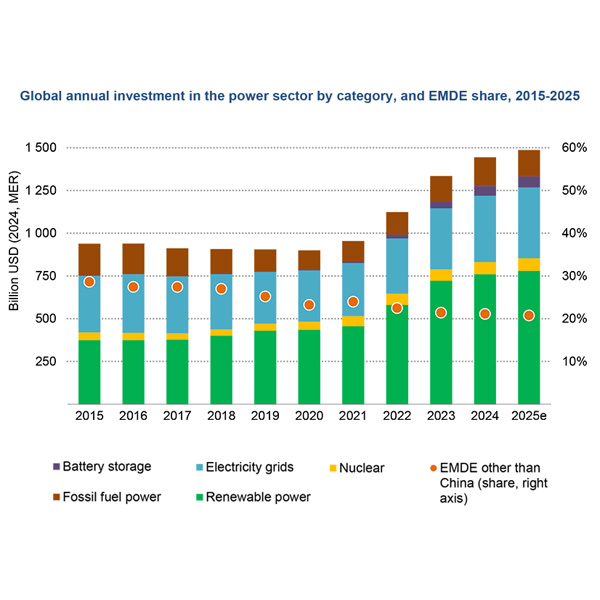
IEA said investment in clean technologies is projected to hit $2.2 trillion this year, or about two thirds of the total energy investment.

A massive solar facility proposed in a small rural town reflects all of the expense, stress and delays that characterize renewable energy development in New York in 2025.
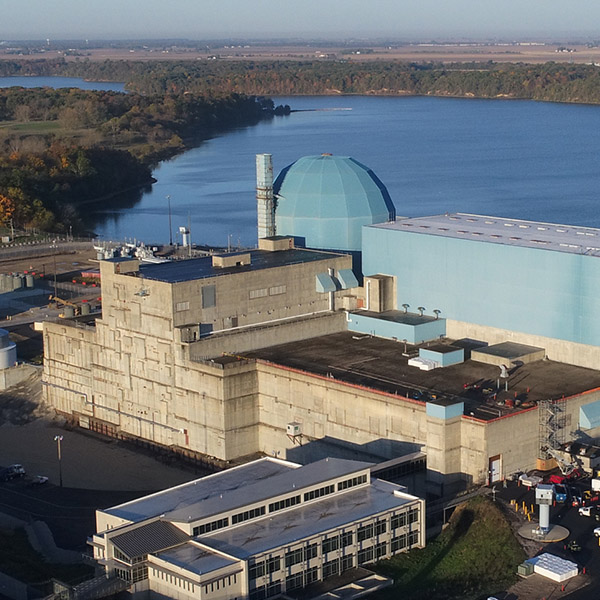
Meta signed a 20-year power purchase agreement for the output of Constellation Energy’s 1,121-MW Clinton nuclear plant in Central Illinois, the companies announced.
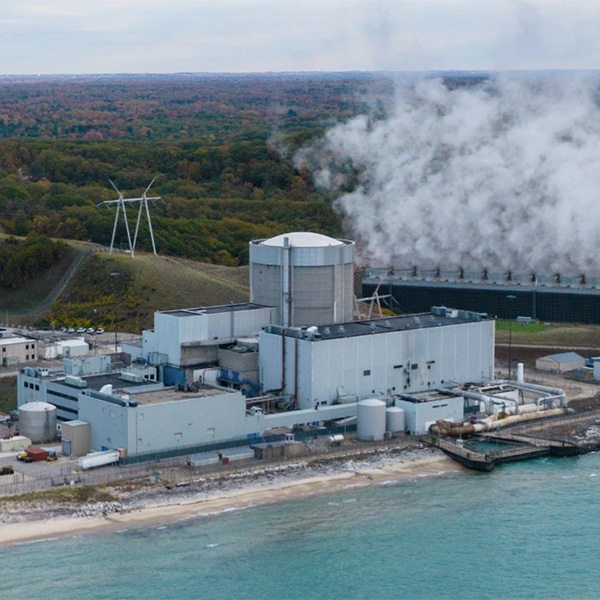
The Nuclear Regulatory Commission has determined there would be no significant environmental impact from restarting the Palisades Nuclear Plant in Michigan.
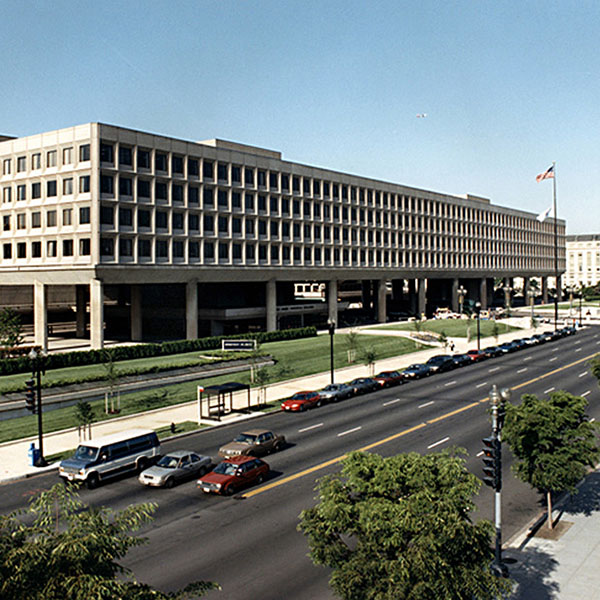
Government job cuts have been a major theme of the Trump administration, and while DOE has faced some cuts former officials say are already significant, many more employees are going to leave in the months to come.
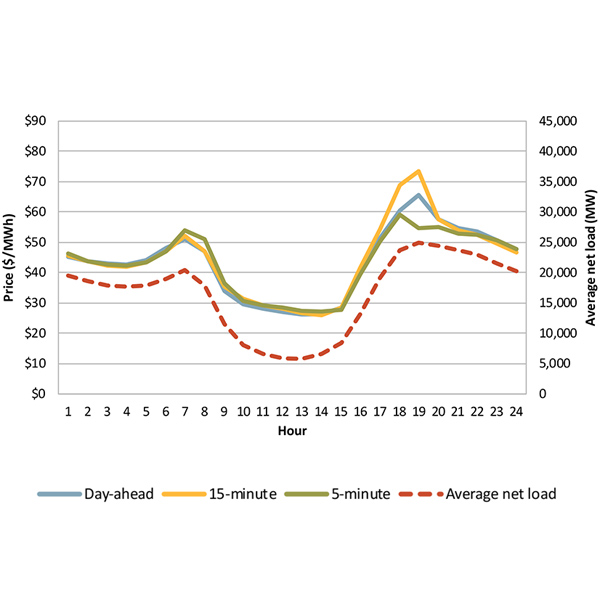
The duck curve has landed in New England, not the sunniest of places, but it and California are by no means the only grids that will be greatly affected, says columnist Peter Kelly-Detwiler.
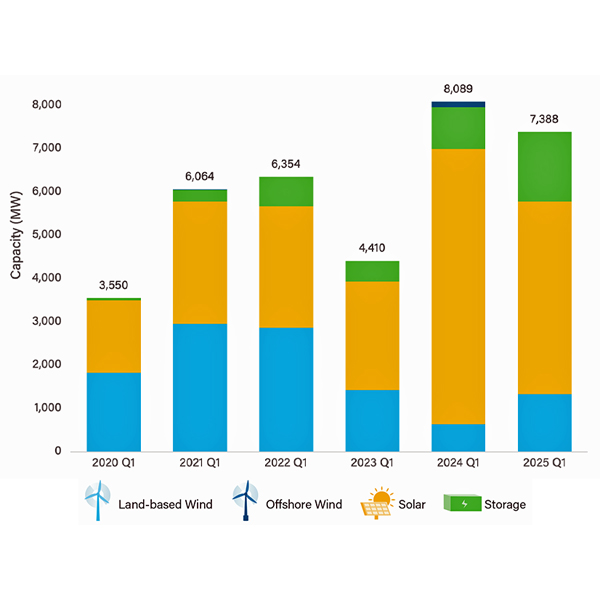
This was the second-strongest start to a year ever recorded in the United States and brought the total to 320.86 GW installed nationwide.
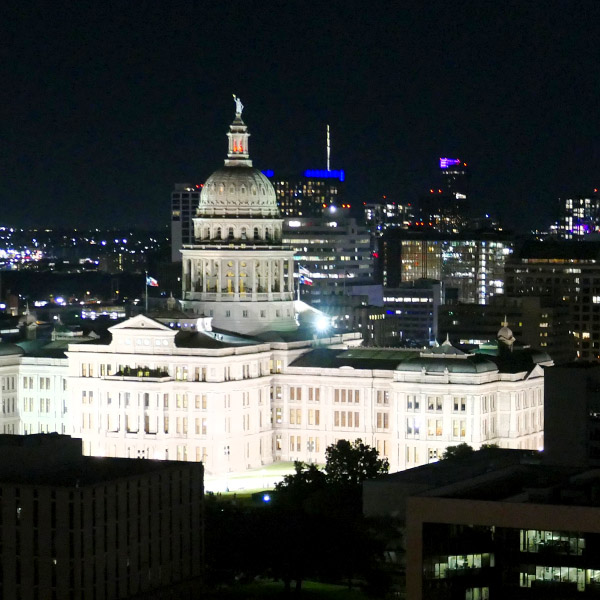
ERCOT's blossoming clean energy sector has been threatened by bills that would dampen its growth and future investment, but many of those laws appear to have fallen by the wayside in the Texas legislature's closing days.
Want more? Advanced Search