Generation & Fuels
BioenergyFossil FuelsCoalNatural GasGeothermalHydrogenNuclearSMRRenewable PowerCommunity solarHydropowerOffshore Wind PowerOnshore Wind PowerSolar PowerRooftop solarUtility scale solar
Metal Shark Boats
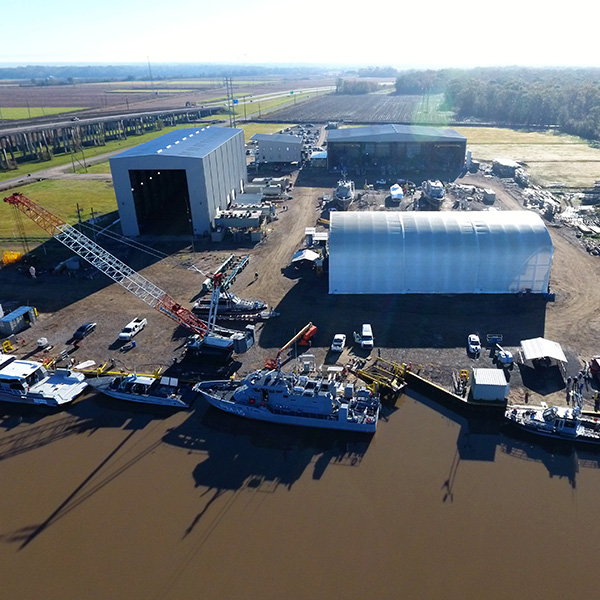
With decades of experience servicing offshore oil and gas rigs, Louisiana manufacturers are finding offshore wind a natural expansion for their business models.
© RTO Insider LLC
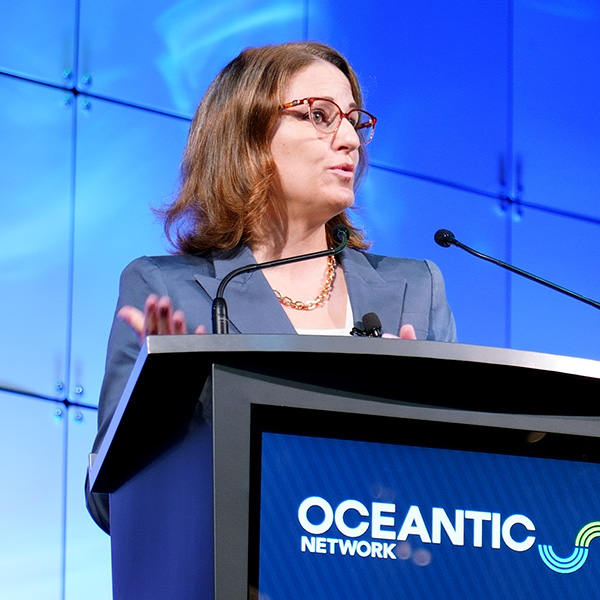
The leader of New York state's offshore wind initiative told the 2024 International Partnering Forum that the state is pushing forward after its setbacks and so should the industry.

© RTO Insider LLC
The headline session of the 2024 International Partnering Forum veered heavily toward celebration and optimism for the U.S. offshore wind energy sector.
EPA
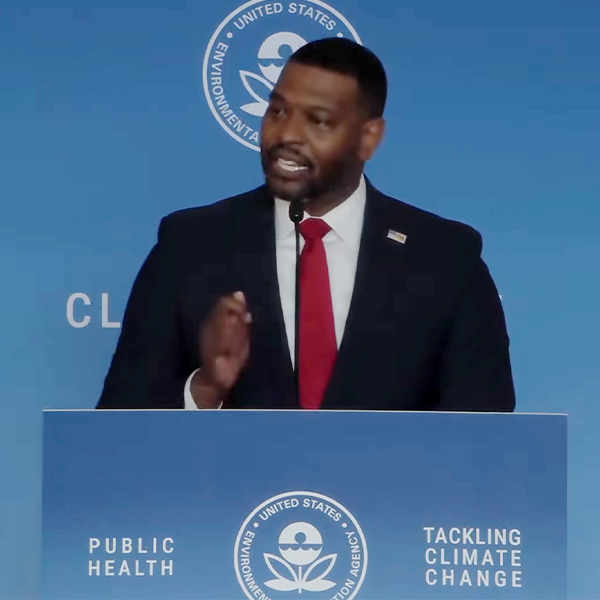
Coal-fired power plants nationwide will either have to close by 2039 or use carbon capture and storage or other technologies to capture 90% of their emissions by 2032 under EPA’s long-awaited final rule.

© RTO Insider LLC
The Department of Interior has set a new five-year schedule for as many as a dozen new offshore wind energy lease auctions and finalized an update of its regulations for renewable energy development in U.S. waters.

© RTO Insider LLC
Innovation and in-state project development will be key to New Jersey’s offshore wind future as the state advances its initiative to create an offshore power center that can connect to homes and businesses onshore, according to speakers at the Wind Institute Research Symposium.
© RTO Insider LLC
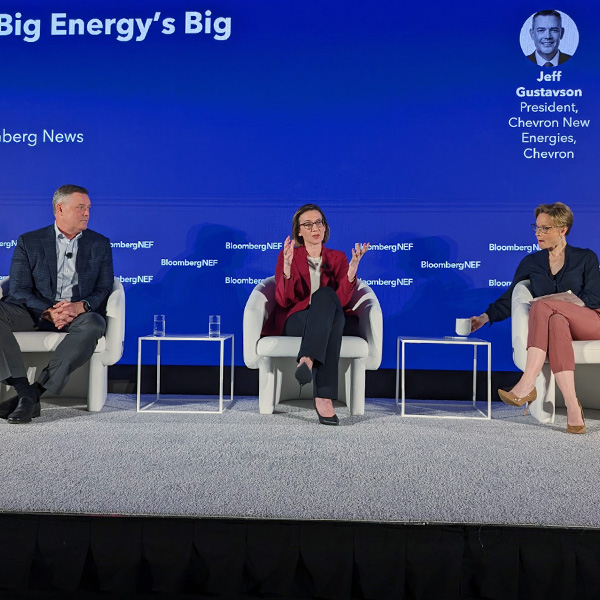
A series of presentations and panels at the BloombergNEF Summit provided a measure of the industry’s success in crafting a narrative based on a “balanced” and well-paced transition that includes cutting egregious emissions and scaling carbon capture and storage technologies.
The White House
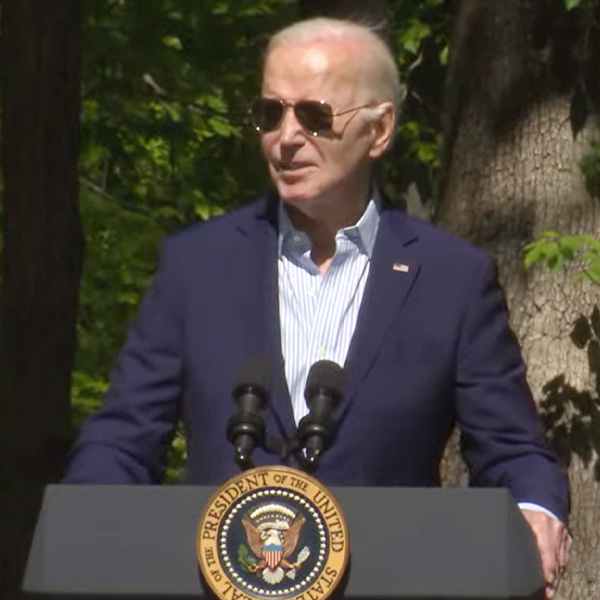
President Joe Biden announced $7 billion in funding from the Inflation Reduction Act, to be used by states and nonprofits across the country to install solar in low-income and disadvantaged communities.
Shutterstock
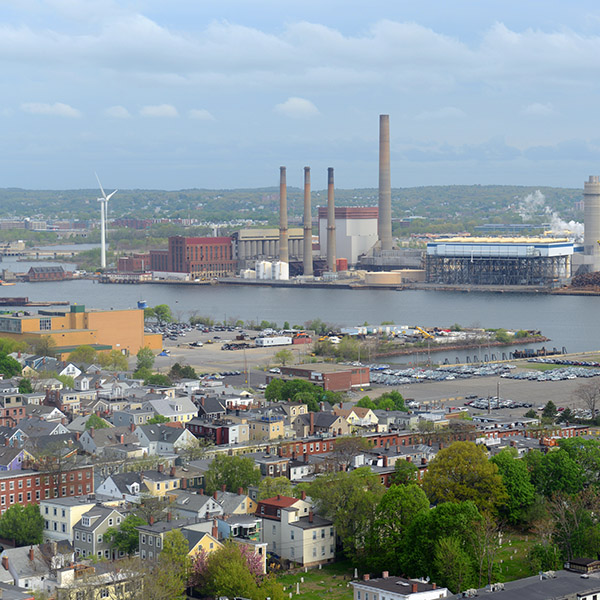
The Massachusetts AGO and DOER expressed concern about the climate effects of proposed utility supply contracts to keep the Everett LNG import facility operating until 2030.
Albany Port District Commission
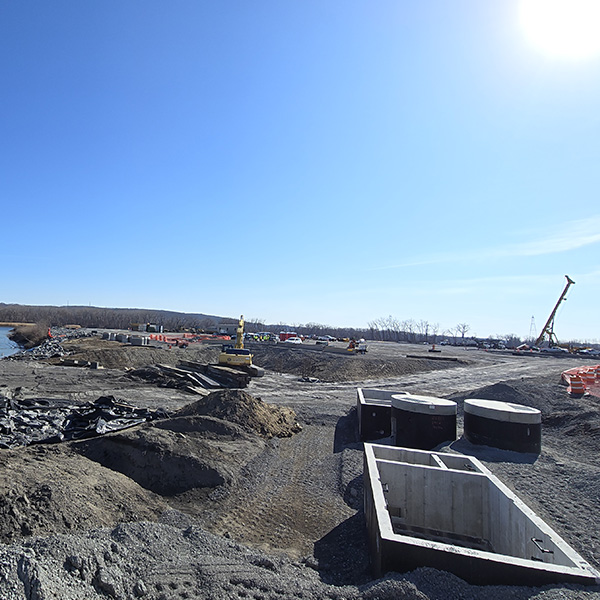
Three provisional contracts totaling 4 GW and constituting the entire result of New York's third offshore wind solicitation have been cancelled.
Want more? Advanced Search