Solar Power

SEIA
In its latest “Solar Means Business” report, the Solar Energy Industries Association reports nearly 40 GW of on-site and off-site corporate capacity installed by March 2024.
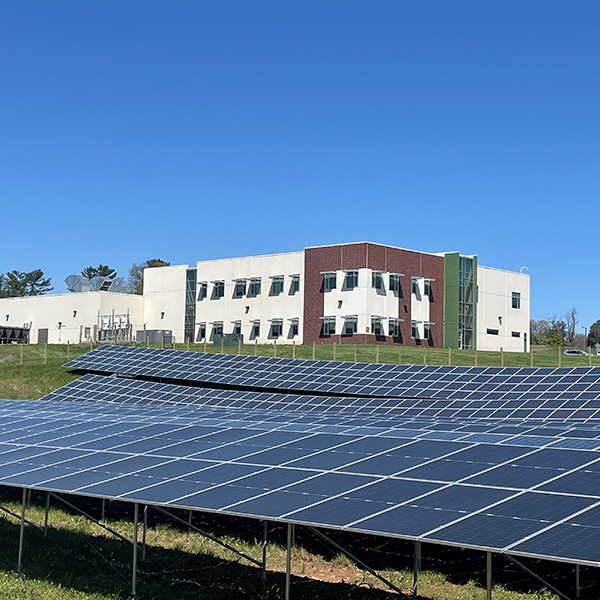
Raritan Valley Community College
New Jersey has launched a yearlong process to evaluate the effectiveness of its solar net-metering system and generate possible alternatives.
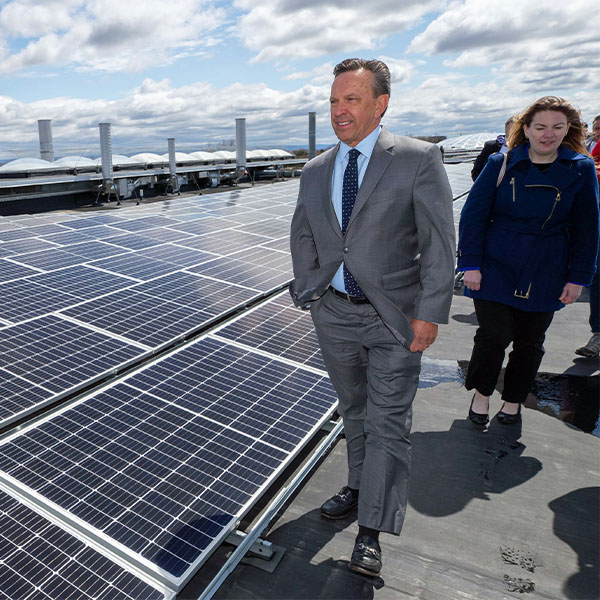
New York Power Authority
Clean energy advocates want NYPA to shoot for 15 GW of renewables rather than the 3.5 GW target in its draft plan.
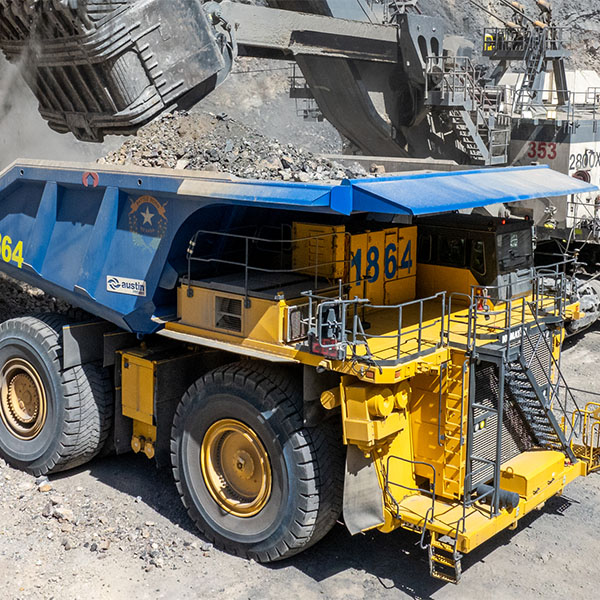
Nevada Gold Mines
The best way to Trump-proof the IRA funds is to get them out the door as quickly as possible, some advocates are saying. Unspent money could be at risk of never being spent.

© RTO Insider LLC
NYSEIA is looking to continue the momentum for distributed solar after a key milestone was achieved, but plenty of challenges remain.
Shutterstock
Energy industry leaders and analysts discussed what's ahead for the clean energy transition after former President Donald Trump’s victory.
Dominion Energy
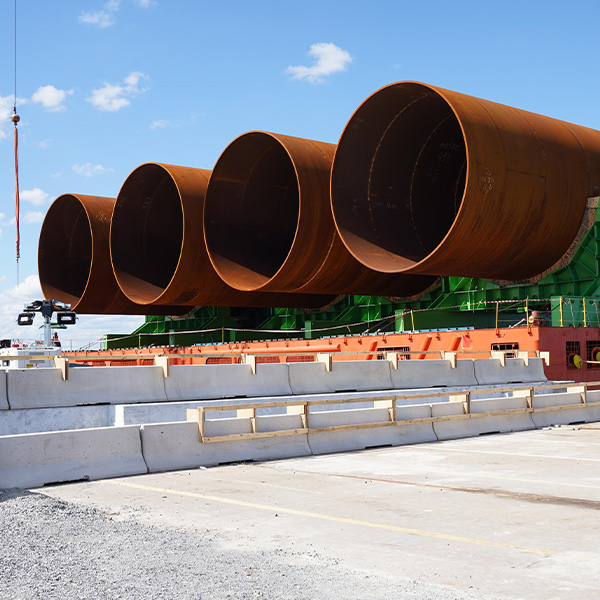
Several clean energy industries were clear losers after former President Trump's reelection, and offshore wind and EV company stocks took hits the day after the election.

© RTO Insider LLC
The Southeast’s traditionally risk-averse vertically integrated utilities are now embracing the clean energy transition, driven by economic development in the form of new industry and data centers.

Duke Energy
The NCUC approved Duke Energy's second Carbon Plan and Integrated Resource Plan, authorizing procurements of renewable energy, nuclear and demand response, while calling for its 8,000 MW of coal to be retired in 2036.

© RTO Insider LLC
Keith Martin, a specialist in tax and renewable energy policy, said a Republican-led Congress would likely look to "cannibalize" parts of the Inflation Reduction Act.
Want more? Advanced Search