Transportation Decarbonization
Airplane DecarbonizationEV chargersHeavy-duty vehiclesBattery Electric Buses (BEB)Fuel Cell Electric Buses (FCEB)Light-duty vehiclesBattery Electric VehiclesFuel Cell VehiclesPlug-in hybrid electric vehiclesShip electrificationClean Ports
Electrify America
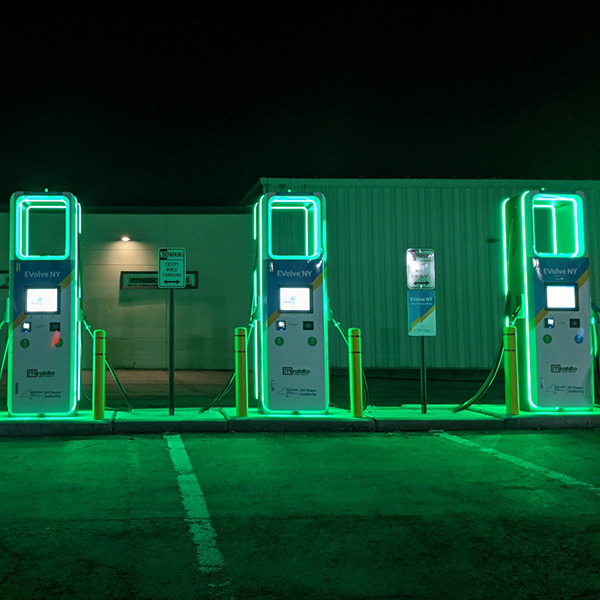
New York utilities say rising costs are hampering their efforts to expand electric vehicle charging infrastructure through the EV Make-Ready Program.
Cascadia Innovation Corridor
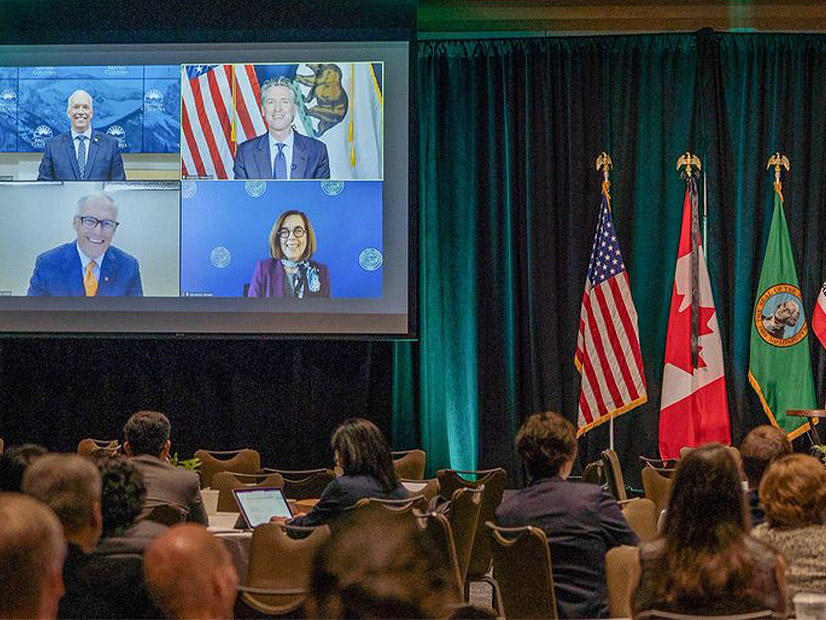
The governors of Washington, Oregon and California and the premier of British Columbia discussed the need for cross-border efforts to address climate change.

Eviation
A Washington-based electric-powered airplane company intends to sell 50 commuter aircraft to an airline serving Florida, the Bahamas and the Caribbean.
Shutterstock
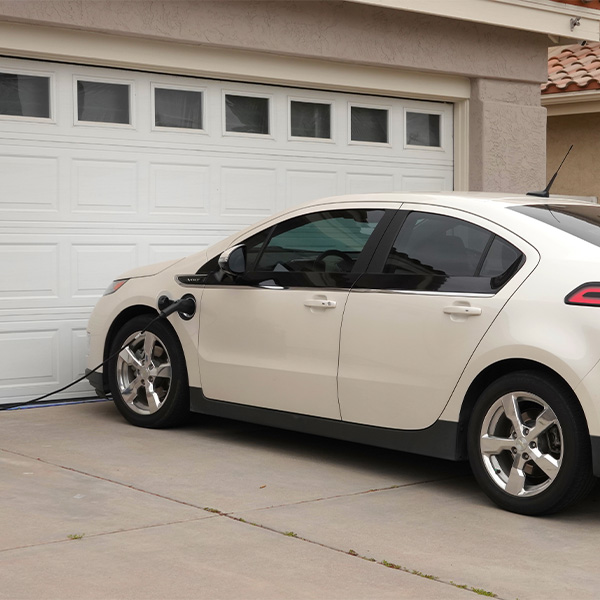
NV Energy has filed a $348 million plan that includes funding for EV purchase incentives, new charger installations and a managed charging program.
FHWA
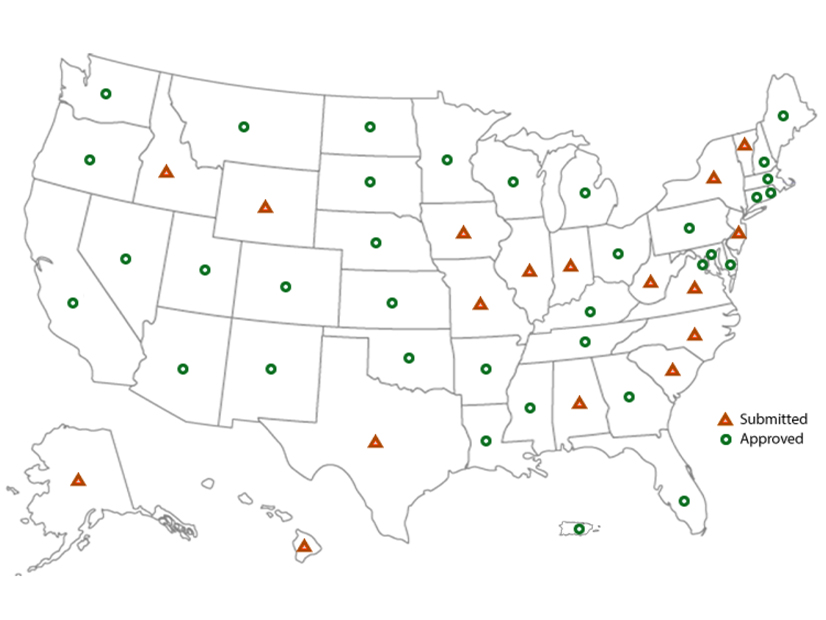
The Biden administration announced that 35 states have been approved to receive federal funding to be used to build out a national network of EV chargers.
CEC
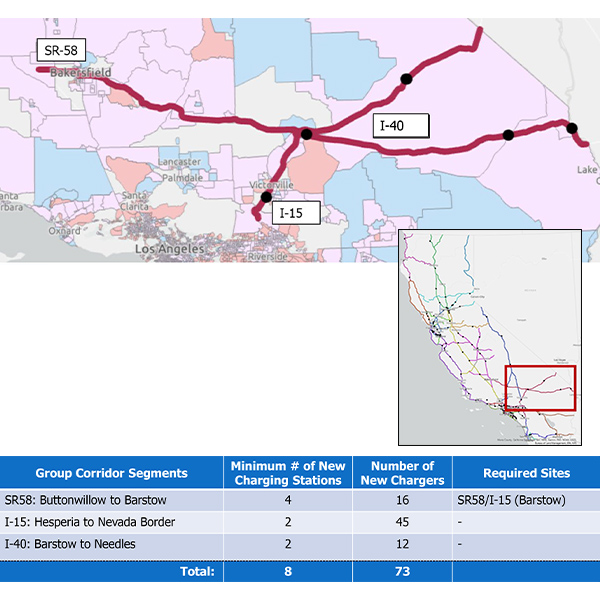
California agencies will start soliciting applications early next year from private entities seeking a share of National Electric Vehicle Infrastructure funds.

Lehigh Hanson
The Maryland Climate Change Commission discussed efforts to expand public transportation and reduce emissions from cement manufacturing at a recent meeting.
Shutterstock
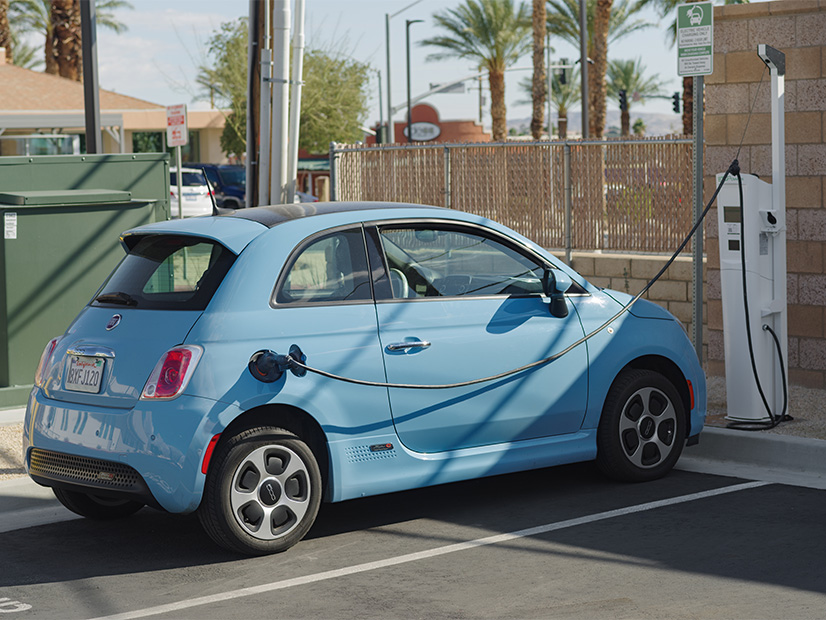
With a provision for PHEVs, California’s Advanced Clean Cars II regulations won’t completely eliminate internal combustion engines in new vehicles.
Oregon DEQ
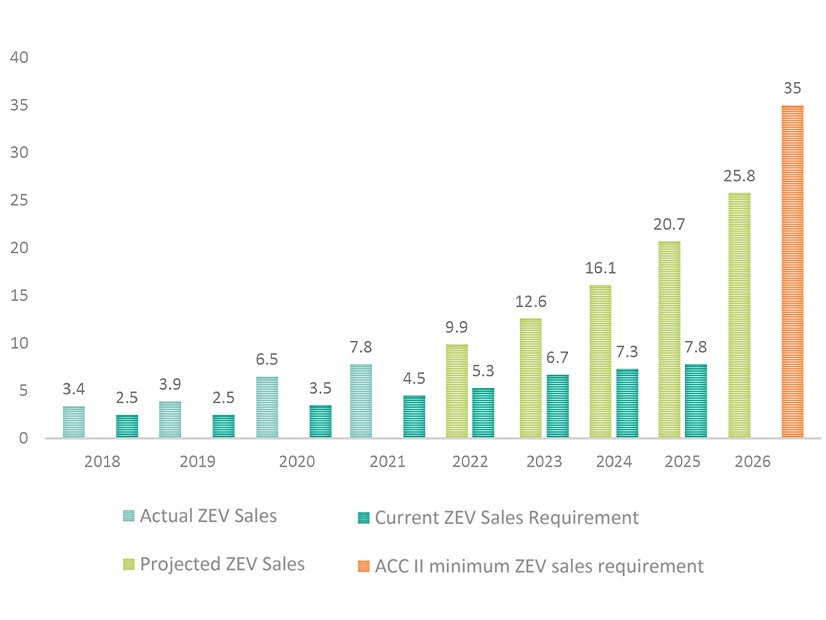
Oregon regulators are racing to adopt by year-end a California rule requiring all new cars sold in the state to be zero-emission or plug-in hybrid by 2035.
CARB
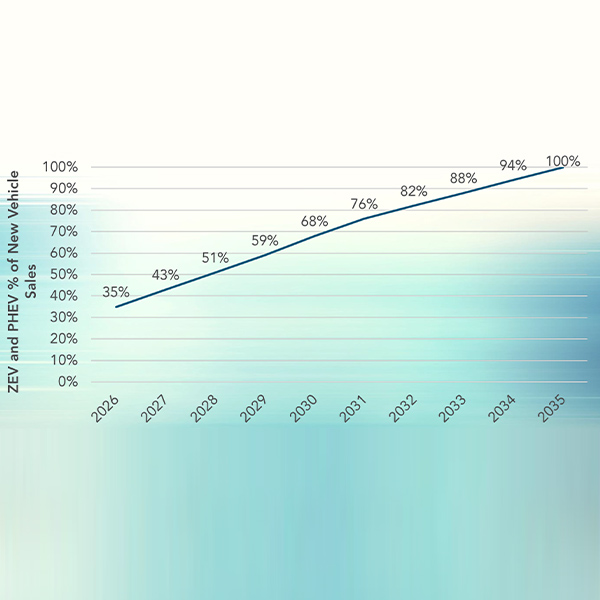
CARB adopted regulations that will require all new cars sold in the state to be zero-emission or plug-in hybrid by 2035, a trailblazing move, the agency says.
Want more? Advanced Search