Transportation Decarbonization
Airplane DecarbonizationEV chargersHeavy-duty vehiclesBattery Electric Buses (BEB)Fuel Cell Electric Buses (FCEB)Light-duty vehiclesBattery Electric VehiclesFuel Cell VehiclesPlug-in hybrid electric vehiclesShip electrificationClean Ports
Nevada Division of Environmental Protection
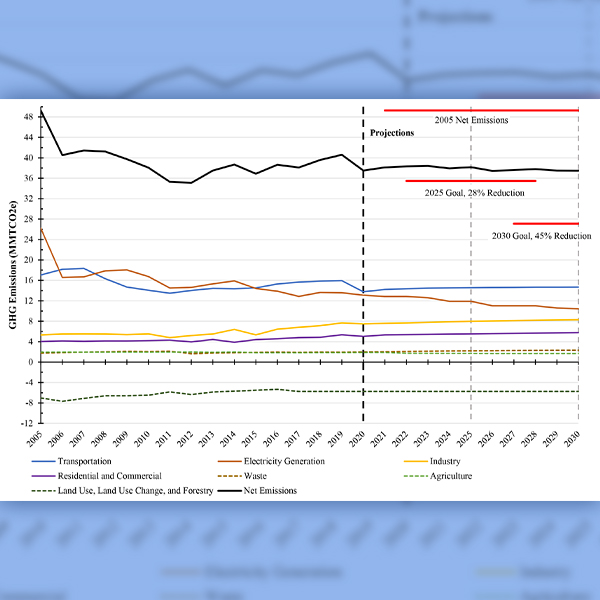
A Nevada report projects that the state’s GHG emissions in 2030 will be 24% less than in 2005 — far short of the 45% reduction that the state has set as a goal.
ChargePoint
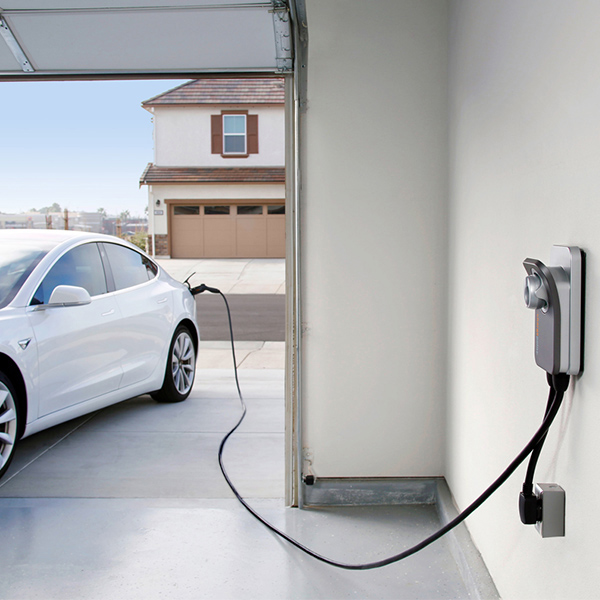
Is there an EV in every future driveway? Yes, says an Ohio policy group that contends EV use will lower electric rates if the right policies are developed now.
Orange EV
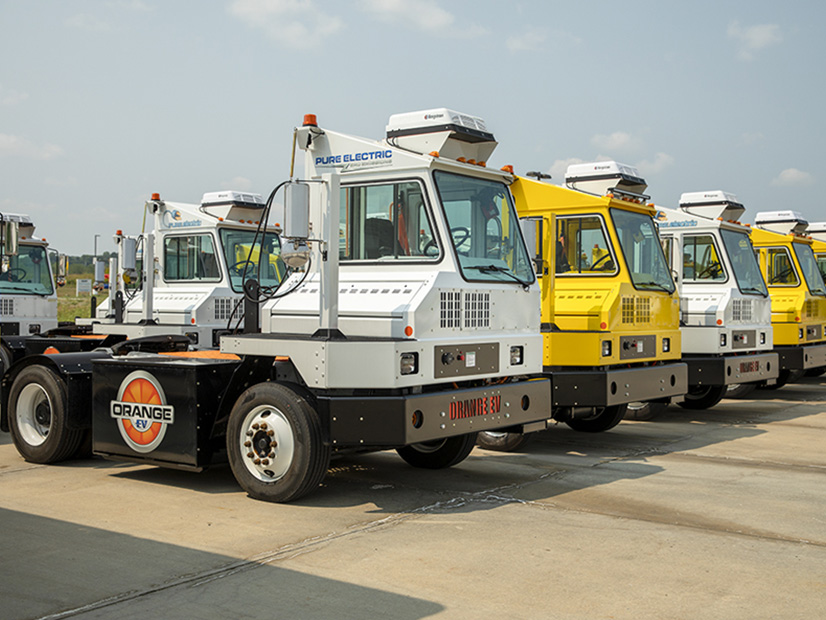
As CARB moves toward requirements to electrify truck fleets, concerns are surfacing about the demands large EVs will put on an already-strained grid.
U.S. EPA
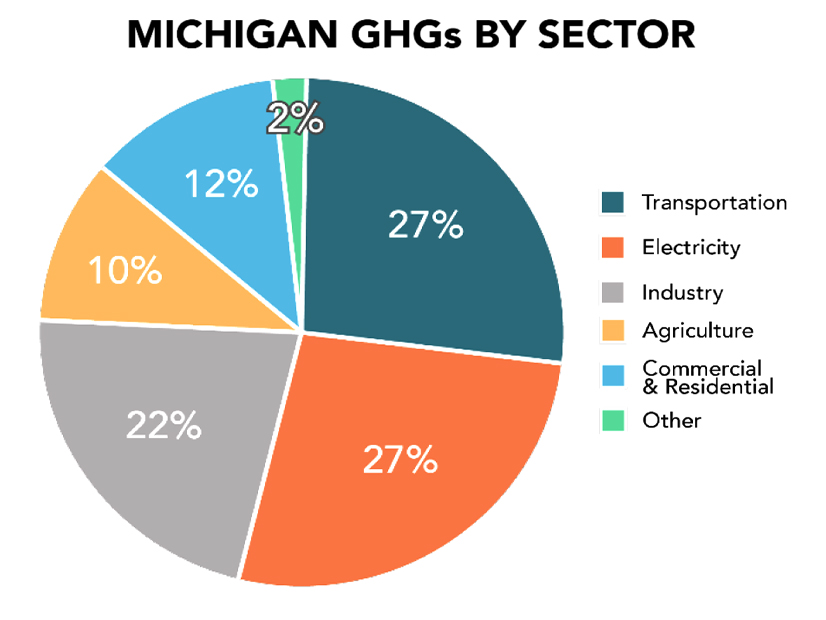
Michigan would have at least 2 million EVs and get half of its electricity from renewables by 2030 under a climate plan sent to Gov. Whitmer.

Visit Seattle
Cap-and-trade is expected to yield Washington $500 million a year in revenue, according to the state agency charged with running the program.

USA Rare Earth
An OurEnergyPolicy webinar focused on the importance of minerals to U.S. decarbonization and the vulnerability created by relying on imports.
ChargePoint
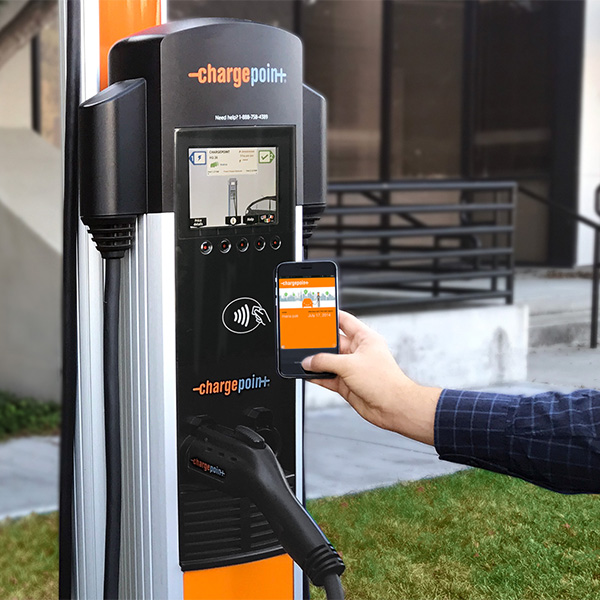
Nevada regulators rejected ChargePoint's request that the company's public EV chargers in the state provide for smartphone-only payments.
NYSERDA
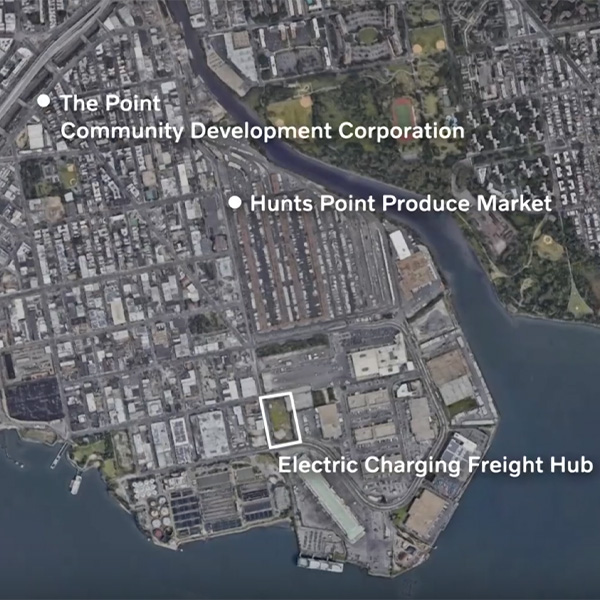
Gov. Kathy Hochul announced the winners of funding from the state’s Clean Transportation Prizes program, including a project in the Bronx's Hunts Point.
© RTO Insider LLC
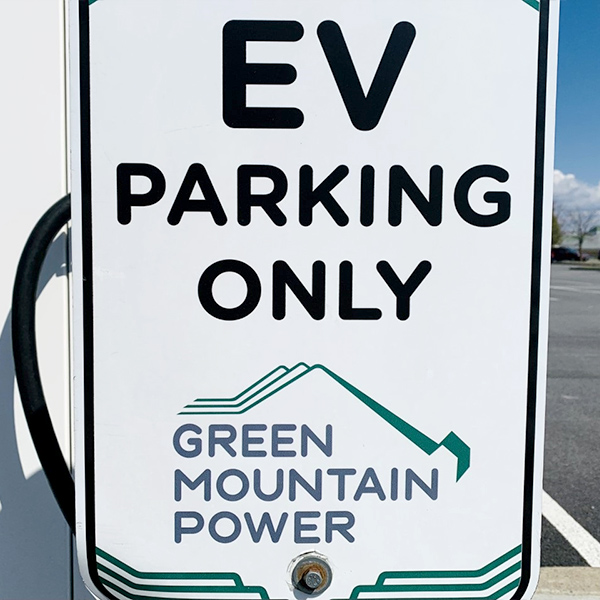
Under Vermont's plans to ramp up EV adoption, gas tax revenue losses from light-duty cars could total $80 million in 2050, according to a new study.

Republic Services
Laws that take effect this year could increase EV charging infrastructure, promote building decarbonization and convert more organic waste to biomethane.
Want more? Advanced Search