Transportation Decarbonization
Airplane DecarbonizationEV chargersHeavy-duty vehiclesBattery Electric Buses (BEB)Fuel Cell Electric Buses (FCEB)Light-duty vehiclesBattery Electric VehiclesFuel Cell VehiclesPlug-in hybrid electric vehiclesShip electrificationClean Ports
The U.S. Center
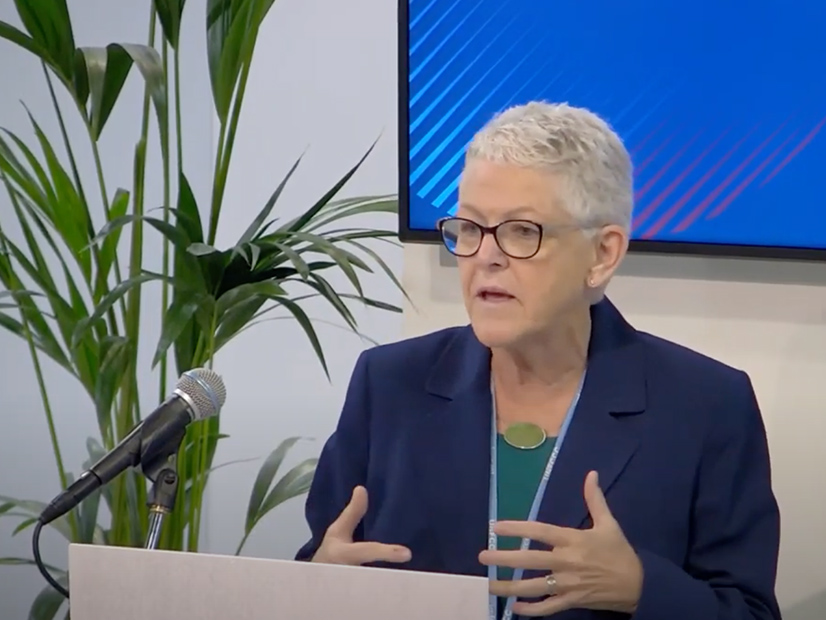
U.S. National Climate Advisor Gina McCarthy, several U.S. utility executives and the Edison Electric Institute discussed President Biden's goals at COP26.
Washington Dept. of Commerce
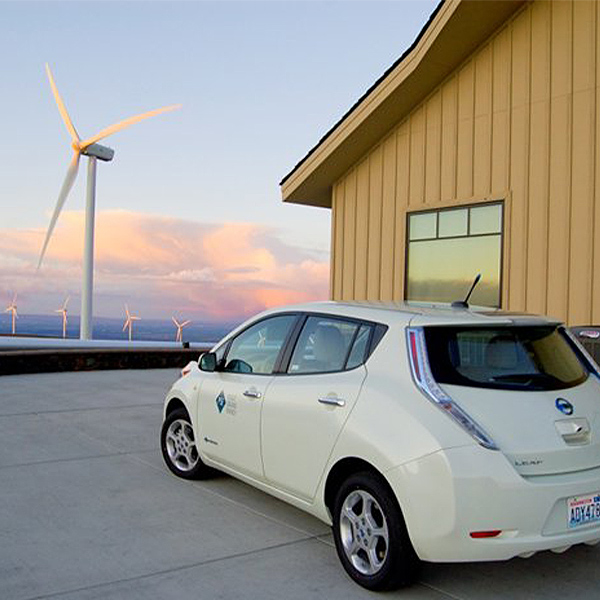
Washington will convert its entire state-owned vehicle fleet to electric by 2040, according to an executive order issued by Gov. Jay Inslee.
Gov. Phil Murphy
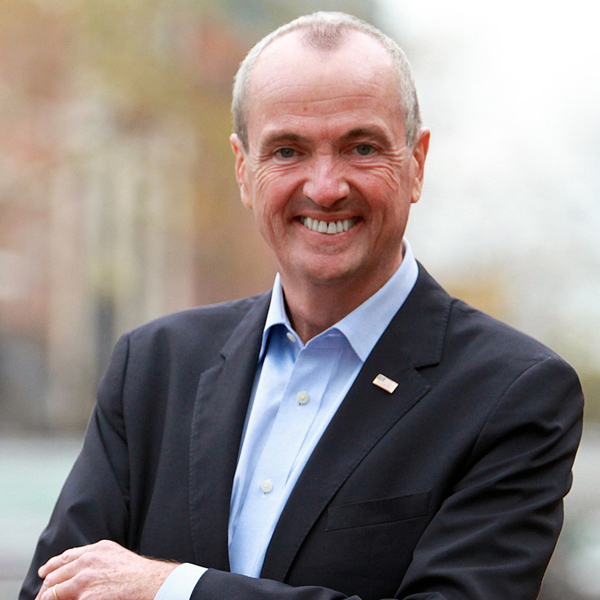
Gov. Phil Murphy’s narrow margin of victory in New Jersey's gubernatorial election is not expected to affect his sweeping clean energy initiatives.
David Maiolo, CC BY-SA-3.0, via Wikimedia
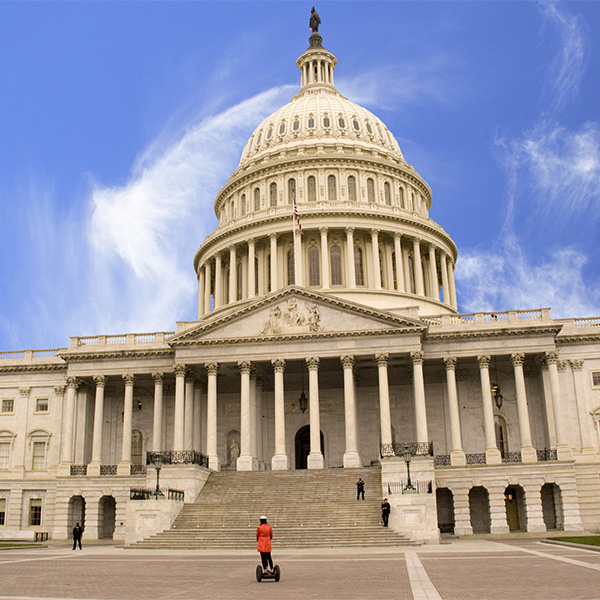
The House of Representatives’ passage of the bipartisan Infrastructure Investment and Jobs Act quickly set off a chorus of praise from clean energy groups.
PG&E
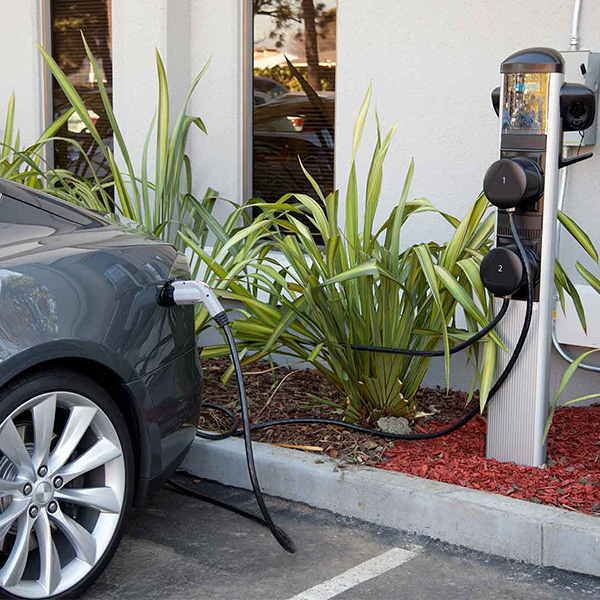
PG&E is proposing to build infrastructure for 16,000 EV charging ports at public locations, as well as sites convenient for apartment residents.
Nevada Clean Cars
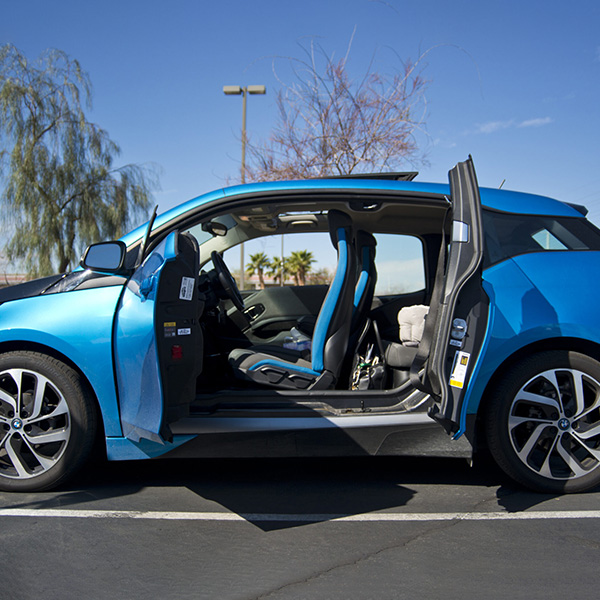
Nevada's Clean Cars regulations will take effect in 2025, but the state is allowing auto makers to bank ZEV credits starting next year.
© RTO Insider LLC
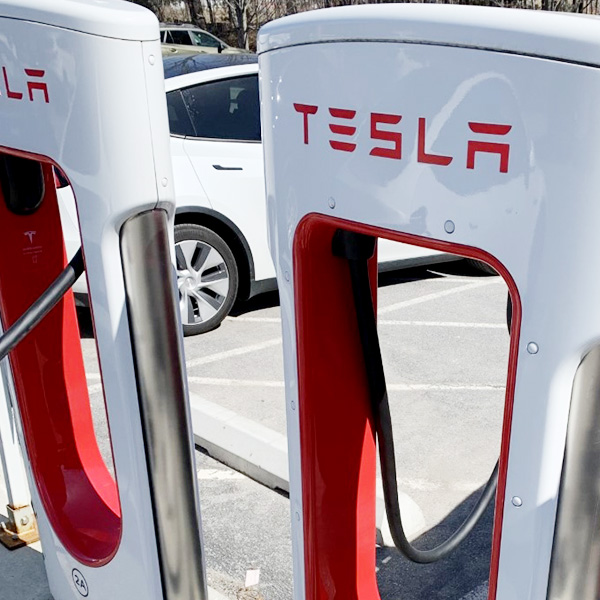
Cohort X is the tenth group of companies backed by the nonprofit Elemental Excelerator.
Green Hydrogen Coalition
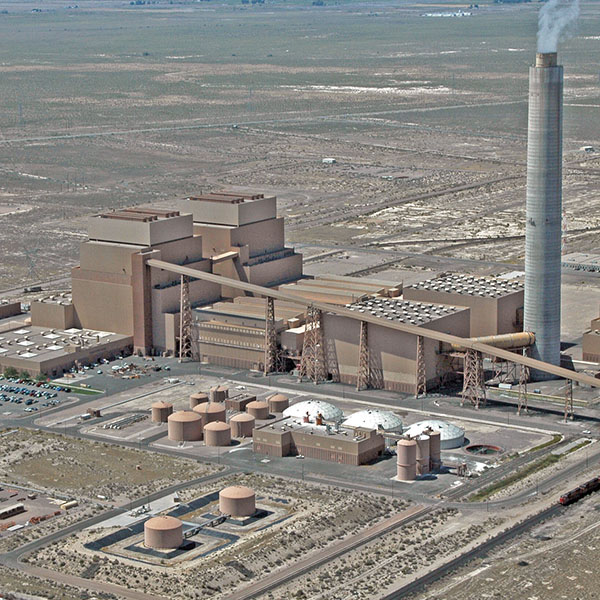
There’s a growing consensus in the West that green hydrogen could play a key role in decarbonizing the region’s energy system, but questions still loom around exactly how the fuel will be used in that effort.
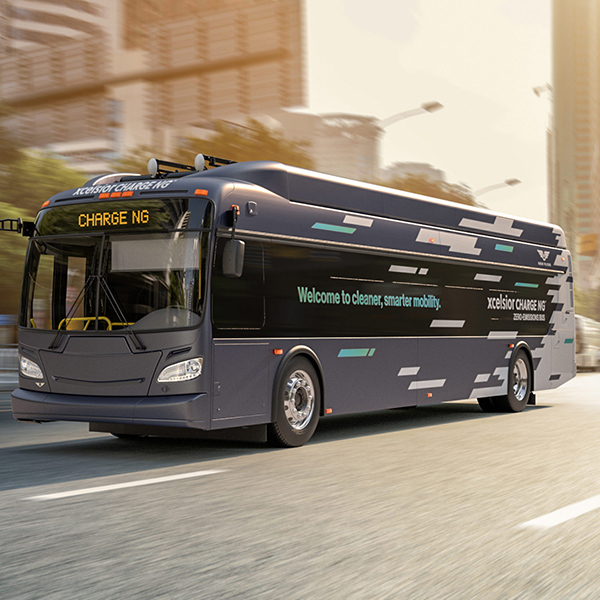
New Flyer of America
NJ Transit approved a $9.5 million purchase of eight electric buses to be deployed in a South Jersey environmental justice area.

Connecticut Power and Energy Society
The Connecticut Power and Energy Society's fall conference focused on equity and inclusion as drivers of "the future of energy."
Want more? Advanced Search