Markets
PSEG
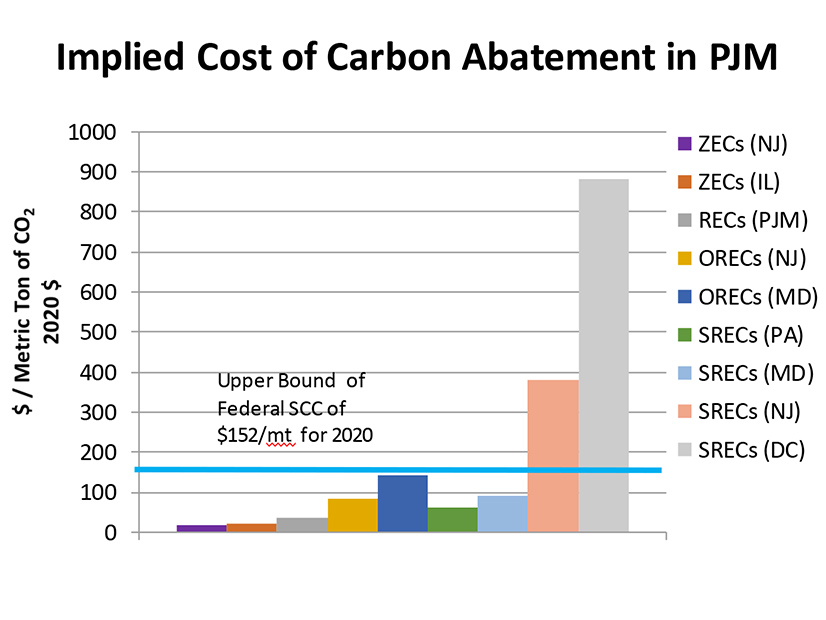
PJM stakeholders voted overwhelmingly in support of the RTO’s proposal to eliminate a capacity market rule that undermined state decarbonization efforts.
Lawrence Berkeley National Laboratory
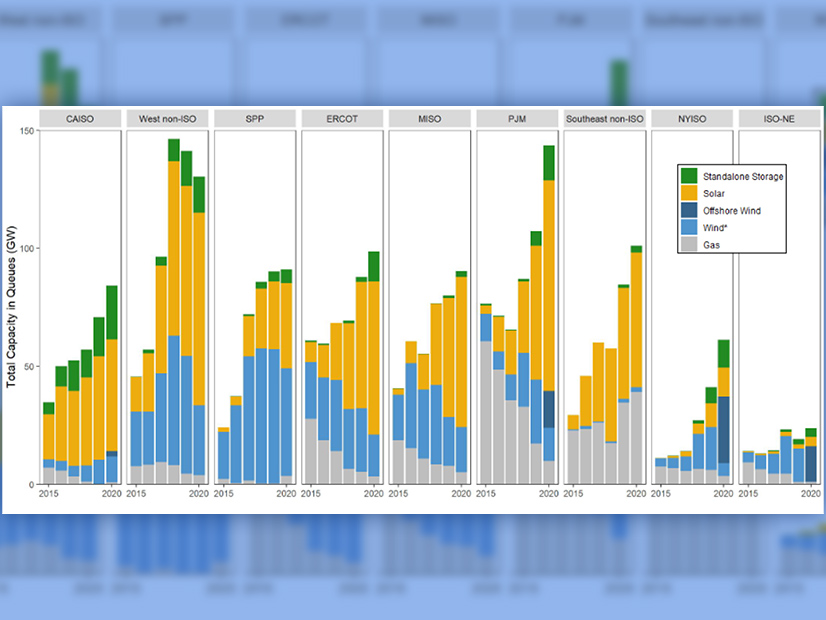
Clean energy advocates mounted new attacks on the Southeast Energy Exchange Market, saying it would offer a fraction of the benefits of an organized market.
Shutterstock
According to a report from the External Market Monitor, energy prices and uplift costs in ISO-NE are higher compared to other RTO markets.
PJM
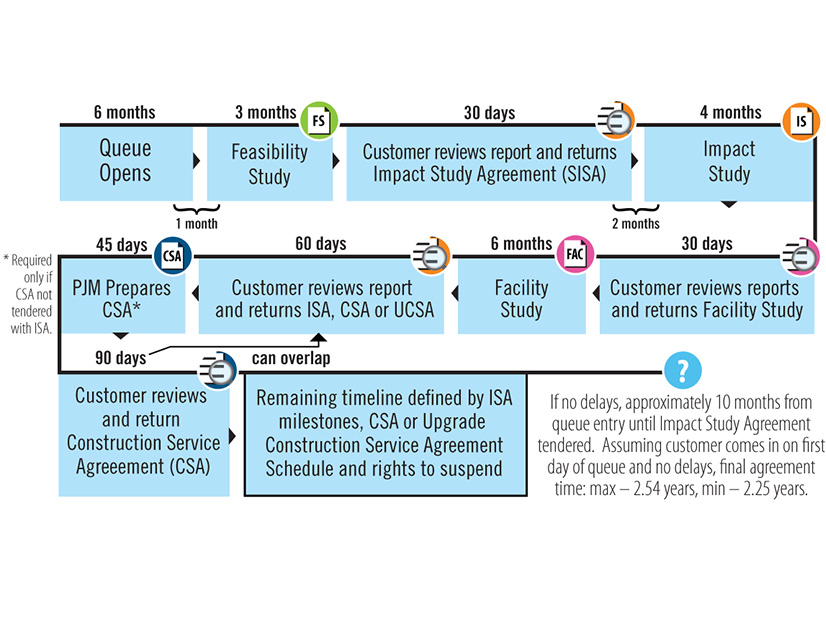
Stakeholders unanimously endorsed PJM's proposed solution and tariff revisions addressing interconnection construction service agreements.
LCRA
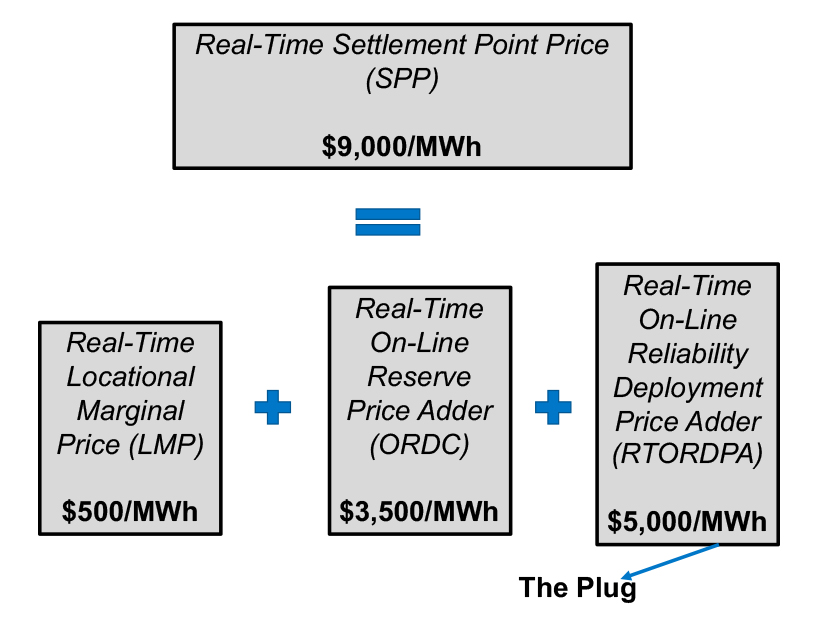
ERCOT stakeholders have endorsed the first system changes addressing system changes stemming from the winter weather that almost shut down the Texas grid.
NYISO
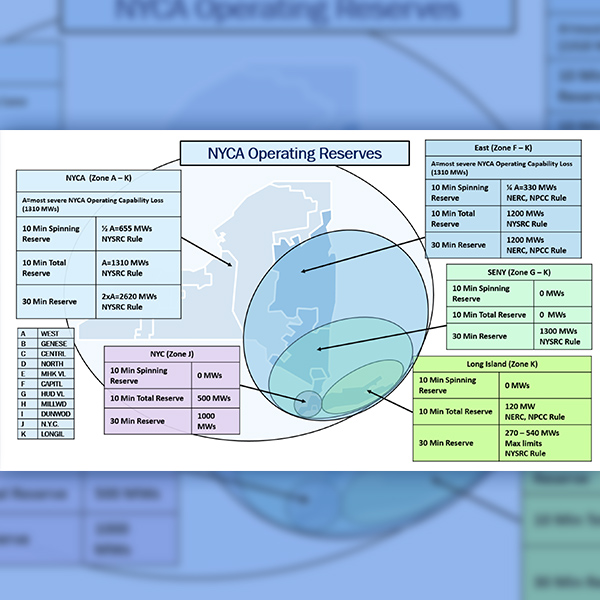
FERC accepted NYISO revisions to its ORDC but rejected the supplemental reserves procurement process component.
WECC
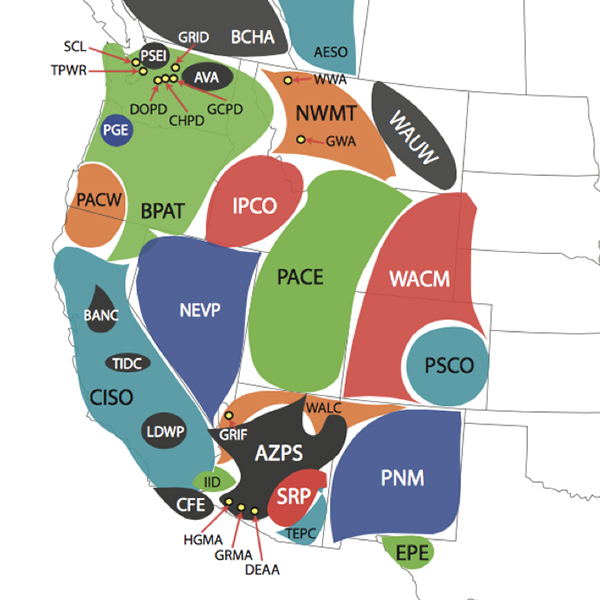
FERC Chairman Richard Glick says "the time is right for the states, the region’s utilities and other key stakeholders" to form one or more Western RTOs.
NYISO
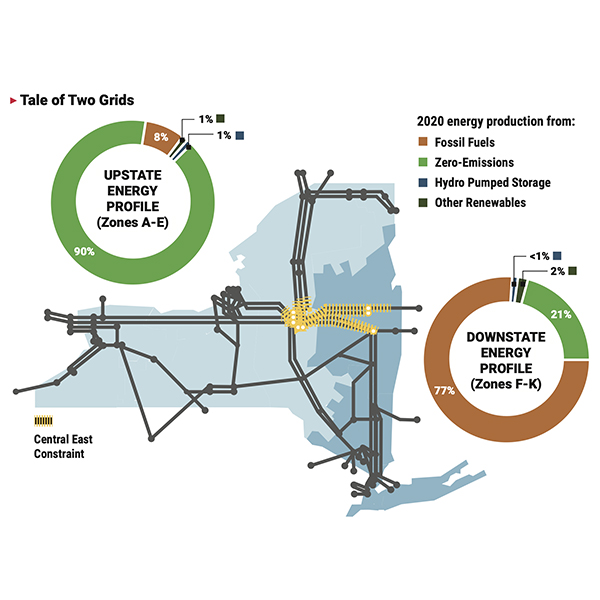
FERC and NYISO joined an energy storage developer to discuss New York’s wholesale electricity markets' opportunities and challenges in energy storage.
Shutterstock
In his annual State of the Market report, MISO’s Monitor said transmission congestion and heightened ramping needs continue to dog the RTO.
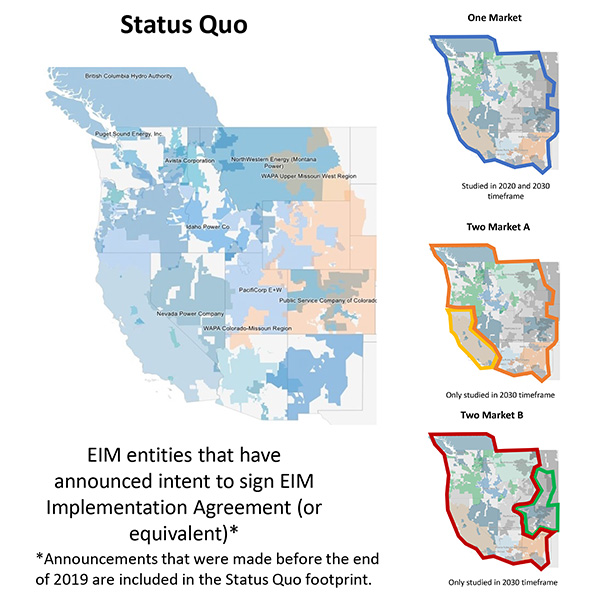
Utah Office of Energy Development and S&P Global Market Intelligence
The development of a single RTO covering the U.S. portion of the Western Interconnection could save $2 billion a year in energy costs by 2030, study says.
Want more? Advanced Search