
State & Regional
AlabamaAlaskaArizonaArkansasCaliforniaColoradoConnecticutDelawareDistrict of ColumbiaFloridaGeorgiaHawaiiIdahoIllinoisIndianaIowaKansasKentuckyLouisianaMaineManitobaMarylandMassachusettsMichiganMinnesotaMississippiMissouriMontanaNebraskaNevadaNew HampshireNew JerseyNew MexicoNew YorkNorth CarolinaNorth DakotaOhioOklahomaOntarioOregonPennsylvaniaRhode IslandRTO-IndianaSouth CarolinaSouth DakotaTennesseeTexasUtahVermontVirginiaWashingtonWest VirginiaWisconsinWyoming
Jimmy, CC BY-SA 2.0, via Wikimedia Commons
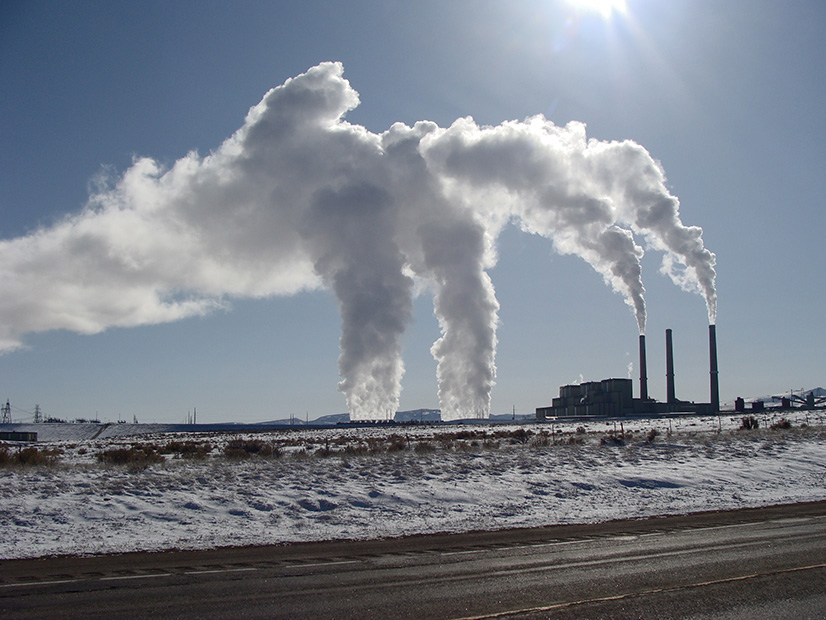
DOE extended the 202(c) order for Tri-State's Craig Unit 1 into June, meaning the plant be under the order after its owner joins SPP West.
© RTO Insider
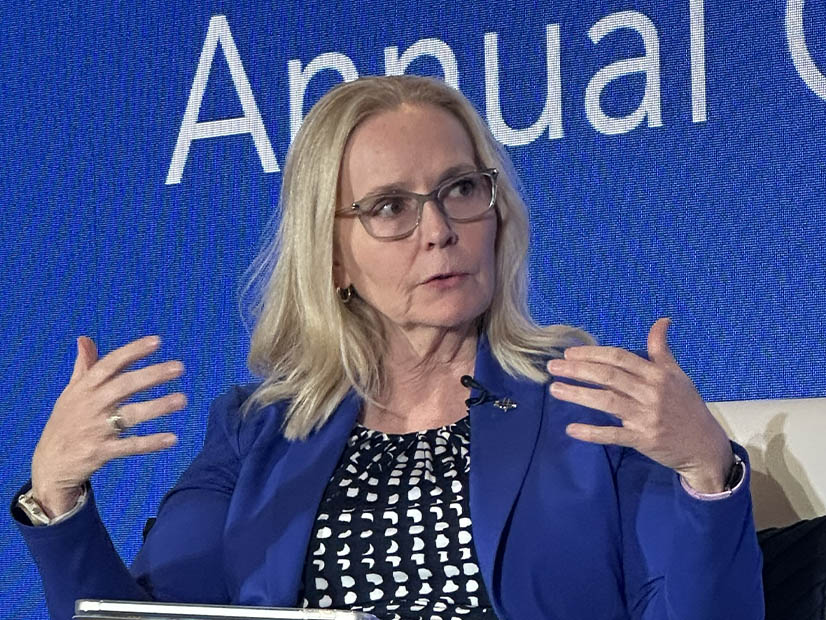
Local distribution companies and bulk transmission system operators need to improve their alignment, IESO CEO Lesley Gallinger said at the ENERCOM 2026 conference.
© RTO Insider
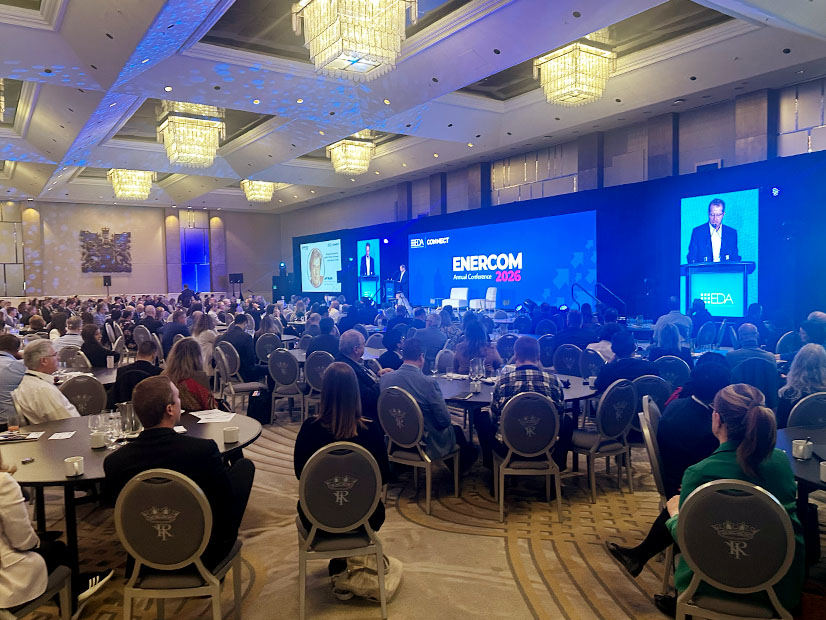
Canada should expect turbulent relations with the United States to continue under the Trump administration, speakers said at the Ontario Electricity Distributors Association’s ENERCOM conference.
Xcel Energy
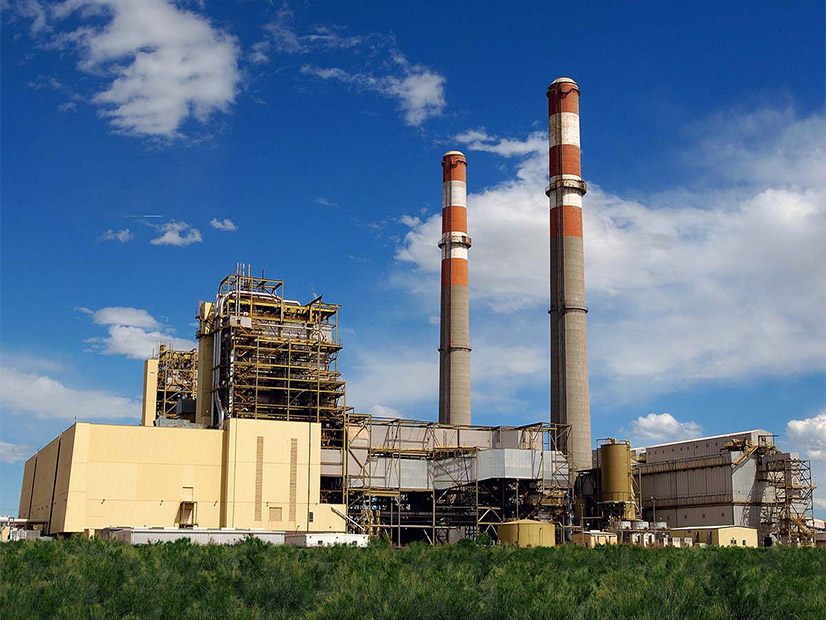
A delay in the repair of Unit 3 of Xcel Energy’s coal-fired Comanche Generating Station has sparked questions among Colorado regulators about the utility’s ability to meet summer peak demand in 2026.

Shutterstock
Data center load growth in California could turn out to be “lumpy,” with sudden, large increases in specific regions of the state, rather than smooth growth over time.
IPPNY / Tim Raab
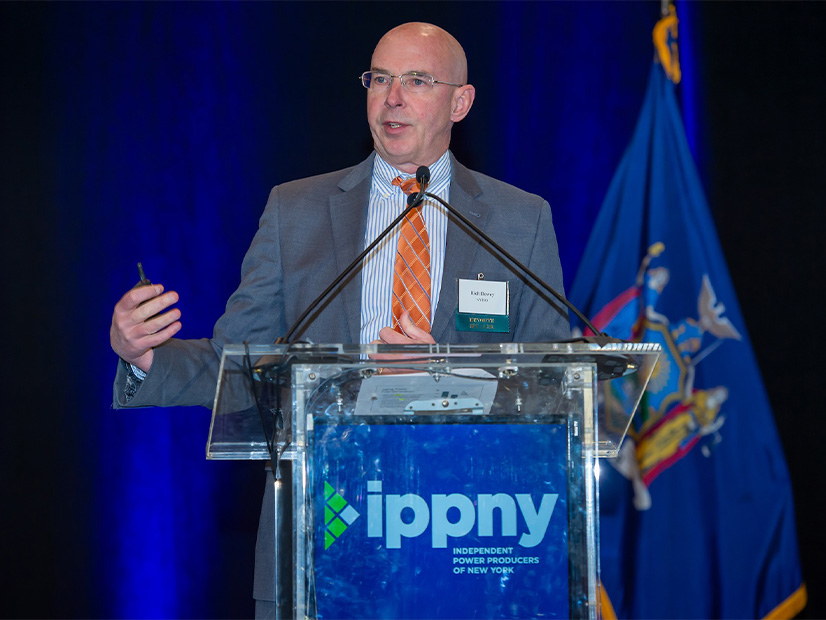
Generation industry representatives and their allies united behind a call to loosen New York’s climate law to allow the repowering of old fossil fuel plants with new natural gas turbines at the Independent Power Producers of New York’s 40th annual Spring Conference.
ISO-NE
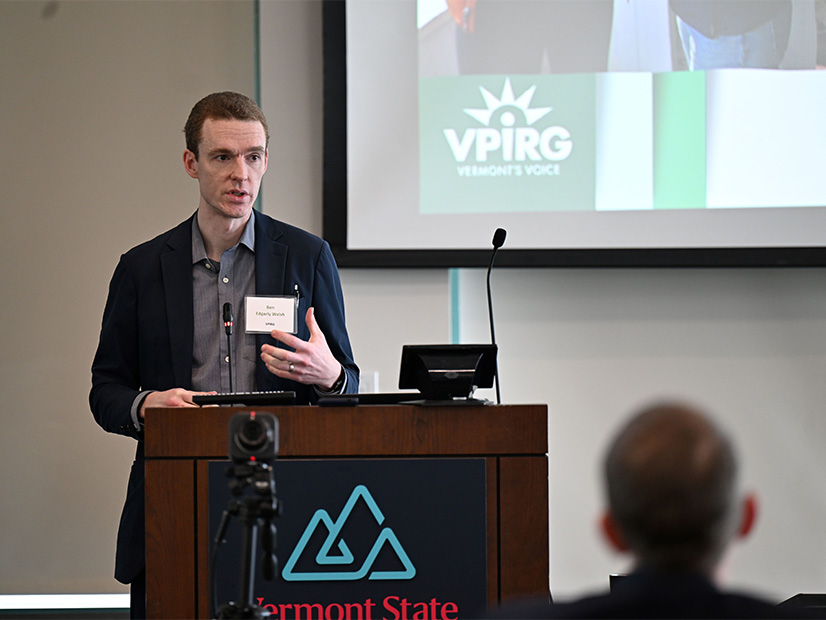
The spring quarterly meeting of the ISO-NE Consumer Liaison Group revolved around the growing risks of climate-driven extreme weather events in Vermont and across the broader New England region.

Shutterstock
PacifiCorp is preparing to bring online enough long-term clean energy resources to help the utility meet Washington's strict greenhouse gas targets by 2030.
Retail Energy Advancement League
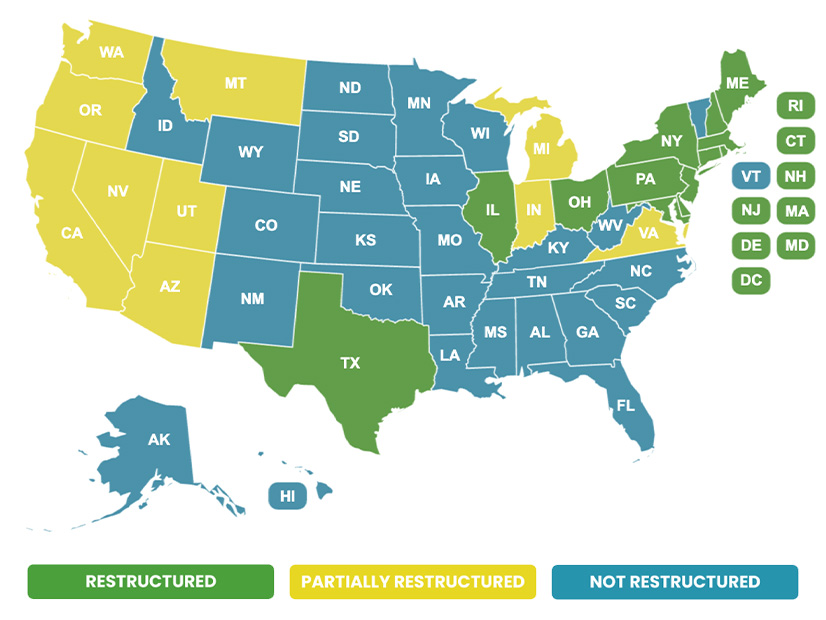
The return of demand growth is something new in the electricity industry, especially as it is being driven by individual consumers whose load can exceed the peak demand of a small state, and it is giving new life to an old argument in state legislatures: restructuring the industry.
Shutterstock
Puget Sound Energy and Avista told the Washington Utilities and Transportation Commission they have taken steps to build clean energy resources quickly to qualify for expiring federal tax credits, while voicing concern that limited transmission capacity and the state’s greenhouse gas targets pose challenges.
Want more? Advanced Search
