
Resources
Demand ResponseDistributed Energy Resources (DER)Energy EfficiencyEnergy StorageBattery Electric StorageOther Electric StorageGenerationCoalGeothermalHydrogenHydropowerNatural GasNuclear PowerOffshore WindOnshore WindOperating ReservesRooftop/distributed SolarUtility-scale SolarResource Adequacy
© RTO Insider
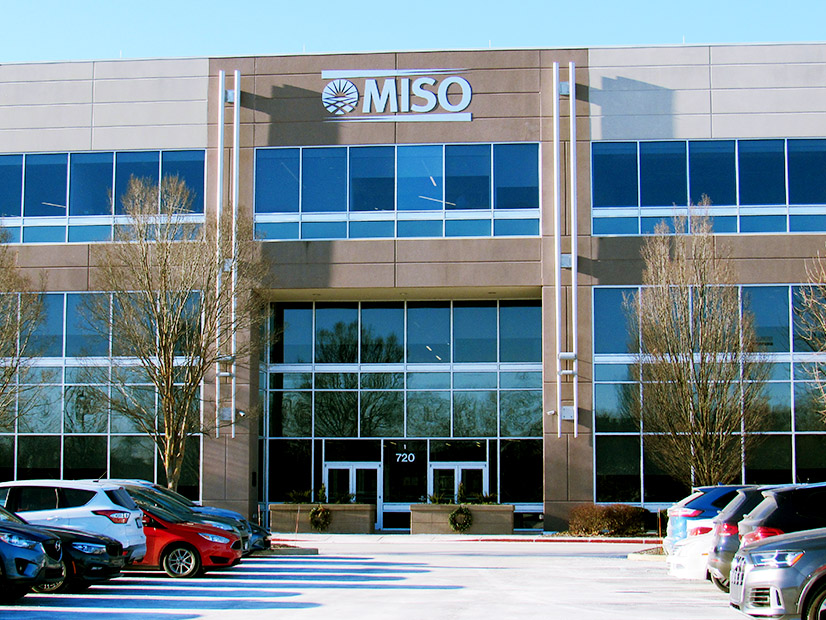
MISO has filed with FERC to alter its accounting practices amid a record number of withdrawals from its generator interconnection queue.
© RTO Insider
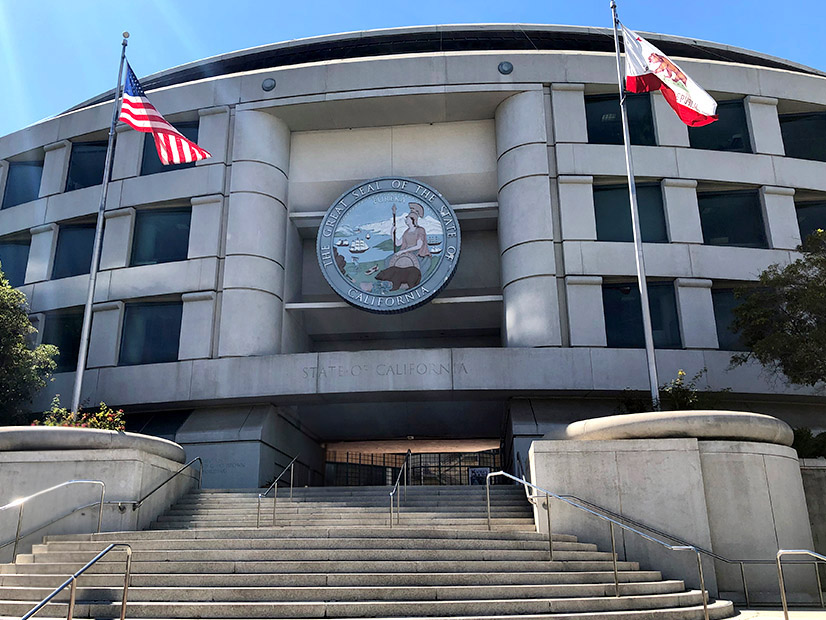
A California Senate committee has advanced a bill that would allow load-serving entities to trade capacity on an hourly basis to meet the state’s slice-of-day resource adequacy requirements.
© RTO Insider
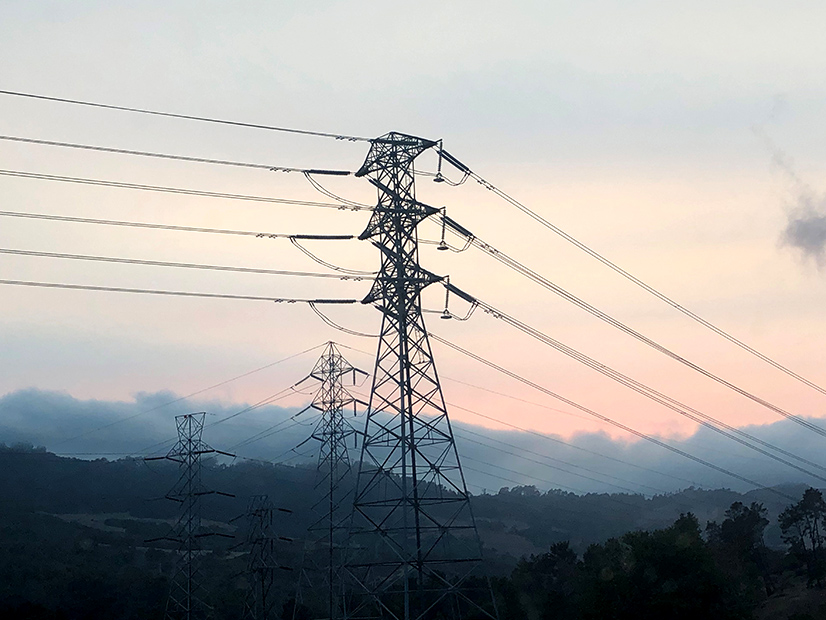
FERC approved a series of revisions related to the design of CAISO’s Extended Day-Ahead Market to support market implementation and avoid disruptions to existing contracts.
Potomac Riverkeepers
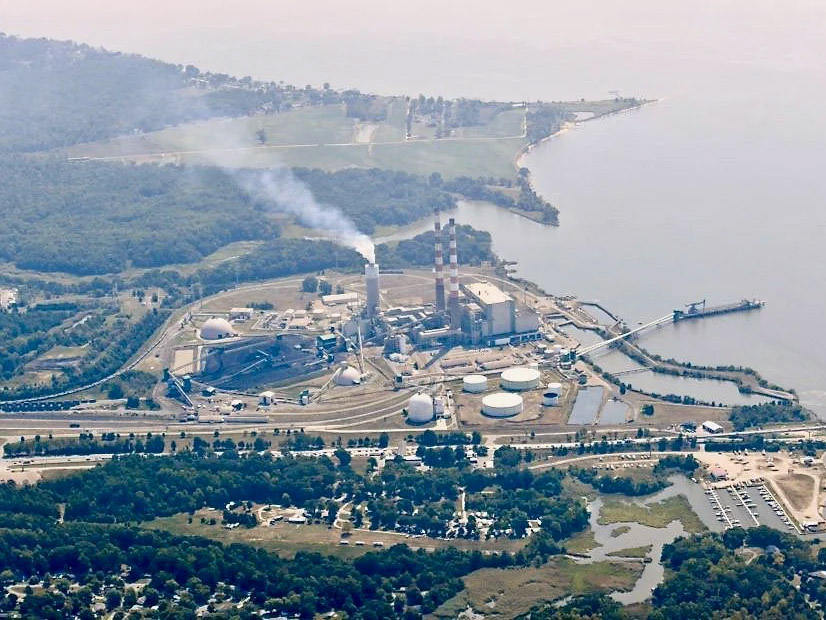
A FERC proceeding seeking approval to purchase an old oil-fired power plant in southern Maryland has drawn multiple protests because its buyer wants to co-locate a data center.
GE Vernova
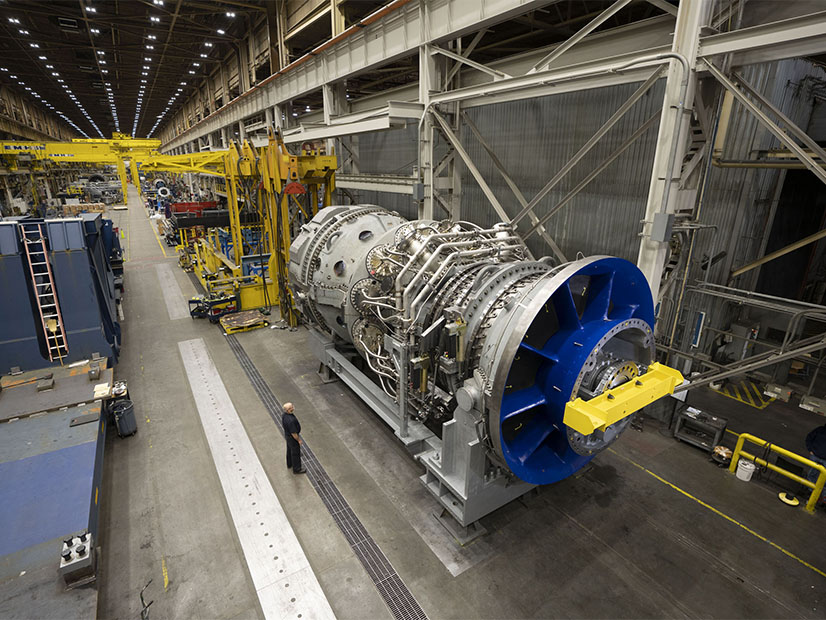
One new report flags risks entailed in the massive planned buildout of gas-fired generation, while another predicts a sharp continued rise in gas turbine prices.
Terra-Gen
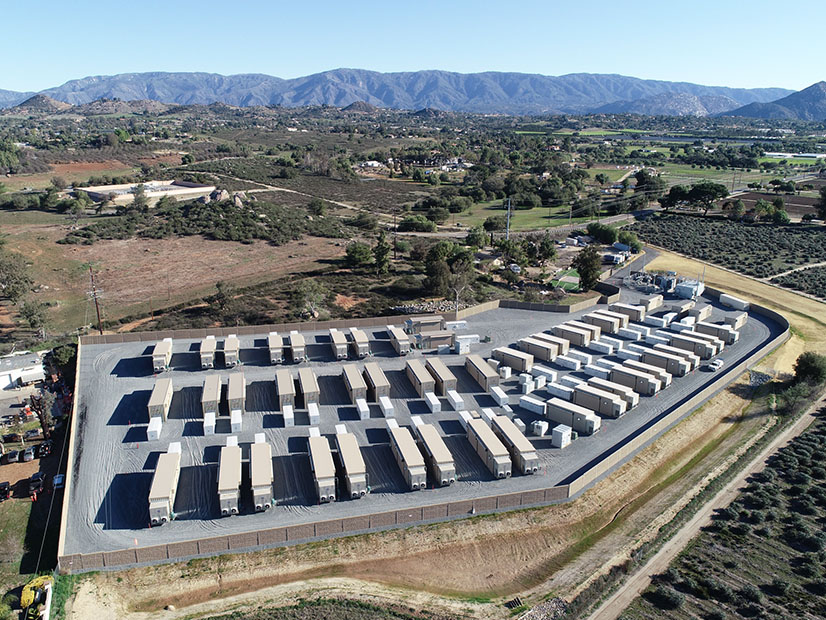
FERC fined Terra-Gen nearly $5 million for strategically using its battery storage resources to repeatedly manipulate CAISO’s market over almost two years.
EIA
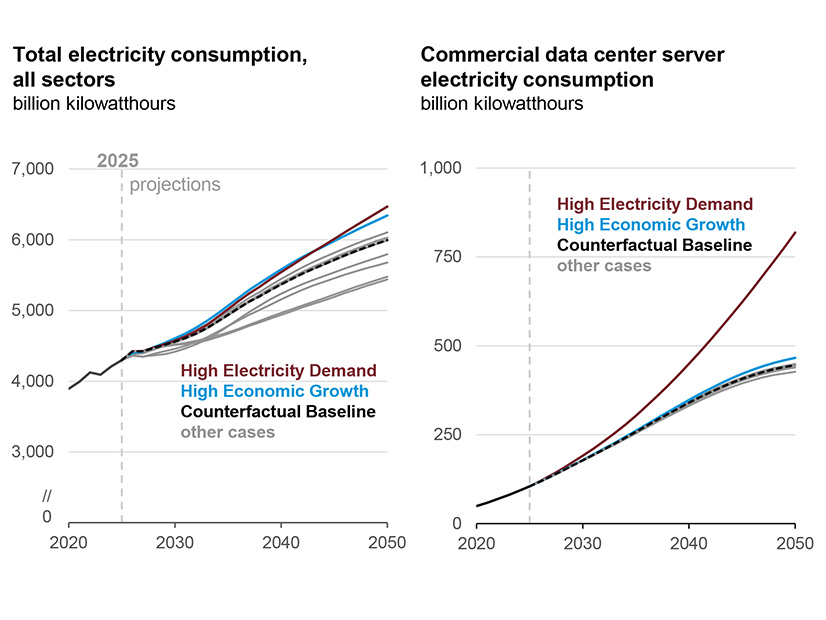
The Energy Information Administration’s 2026 Annual Energy Outlook forecasts major demand growth in the coming years.
New York Department of Public Service
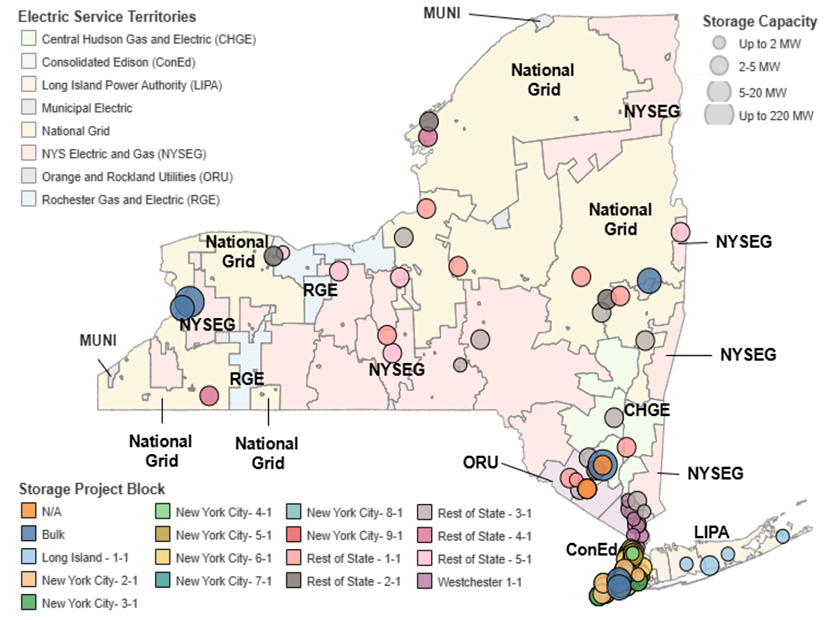
New York has far exceeded the interim target on its energy storage roadmap — 1.5 GW of capacity by the end of 2025 — but has more work ahead as it pursues 6 GW by 2030.
JIRSA Hedrick
Xcel Energy is seeking approval for a large load tariff in Colorado that includes an optional clean transition tariff to encourage the development of emerging carbon-free resources.
Yes Energy
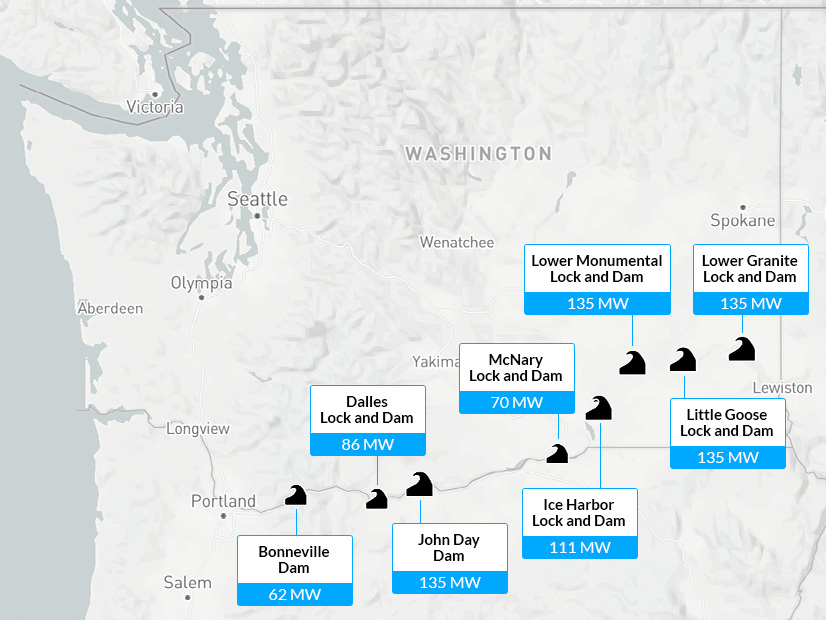
Federal agencies urged the U.S. 9th Circuit Court of Appeals to pause a lower court’s order that would increase spill levels at eight dams on the Columbia and Snake rivers, saying the order risks increasing rates and causing costly blackouts.
Want more? Advanced Search
