Resources
Demand ResponseDistributed Energy Resources (DER)Energy EfficiencyEnergy StorageBattery Electric StorageOther Electric StorageGenerationCoalGeothermalHydrogenHydropowerNatural GasNuclear PowerOffshore WindOnshore WindOperating ReservesRooftop/distributed SolarUtility-scale SolarResource Adequacy
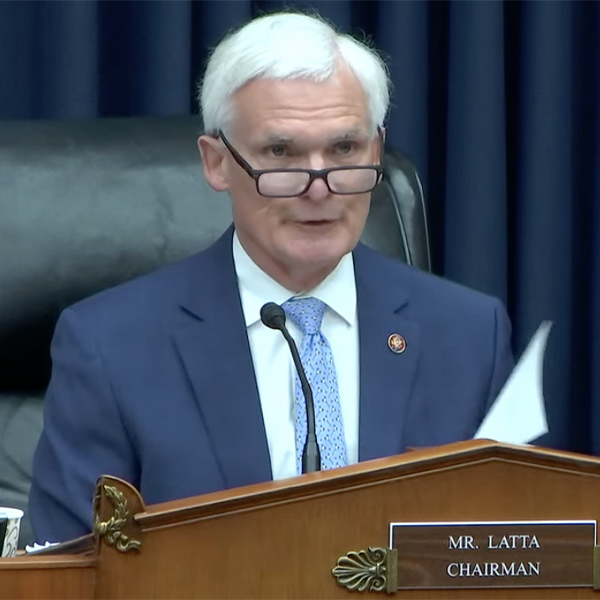
House Energy & Commerce Committee
The House Energy and Commerce Subcommittee on Energy looked into how to meet demand growth in its first hearing of the new Congress, which showed a clear partisan divide on how to meet it.
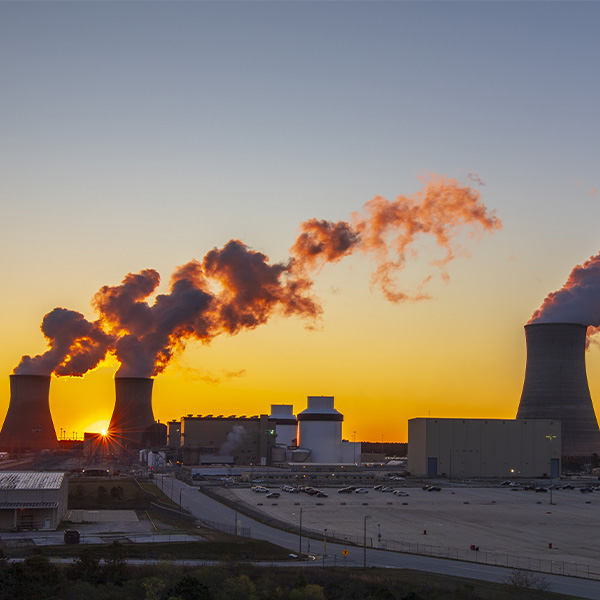
Georgia Power
Georgia’s largest electric utility said the moves are driven by 8.2 GW of anticipated load growth through the end of 2030
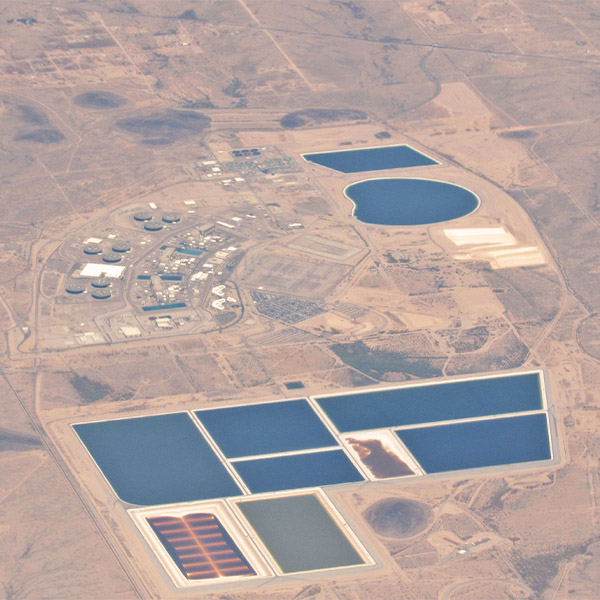
Shutterstock
Arizona Public Service, Salt River Project and Tucson Electric Power announced they are jointly exploring the possibility of adding nuclear generation.
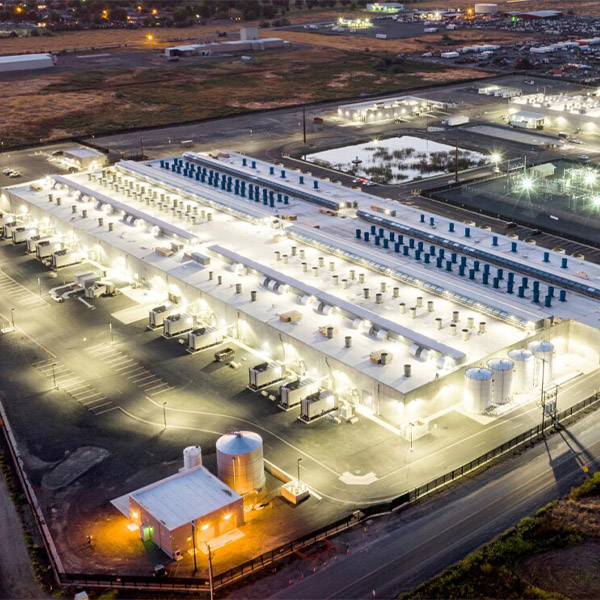
Amazon
Washington Gov. Bob Ferguson signed an executive order to create a team that will explore the impact of data center growth on the Evergreen State.

Atlantic Council
A North American trade war was delayed for a month at least as Canada and Mexico struck deals with President Trump that delayed potential tariffs for a month.
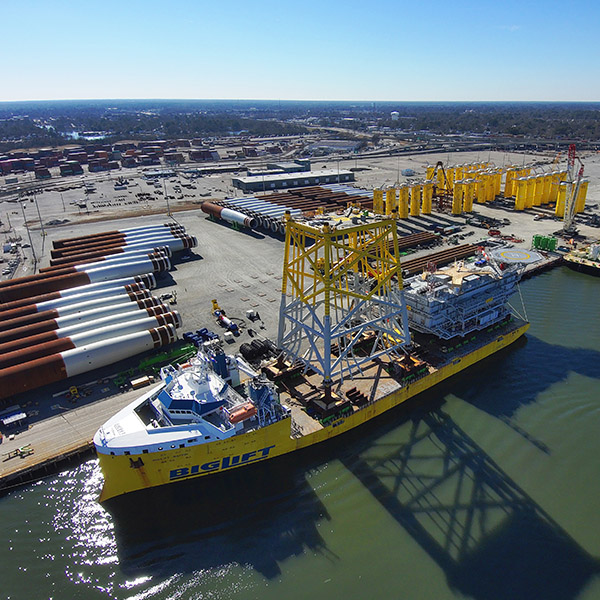
Dominion Energy
Dominion Energy reported that its Coastal Virginia Offshore Wind project will cost 9% more than initially expected, thanks to higher-than-expected PJM network upgrade costs.
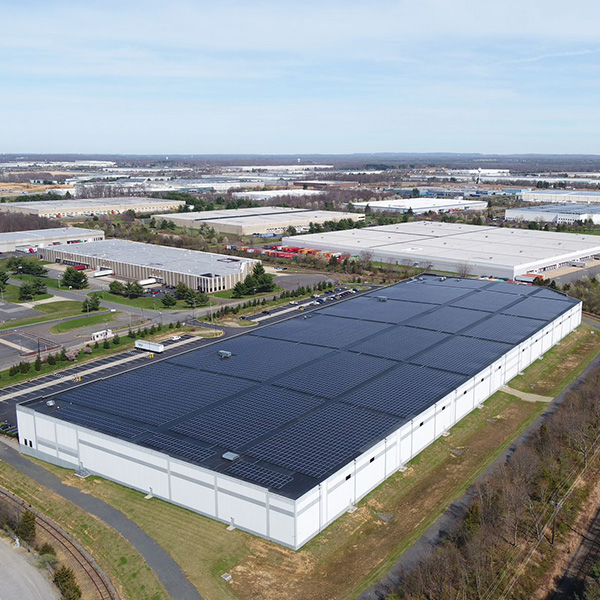
Heitman
D.C. District Court Judge Loren AliKhan issued a temporary restraining order on OMB from pausing all federal grants and loans.

NYISO
NYISO CEO Rich Dewey opened the Management Committee meeting with a congratulations on getting through 2024 before looking ahead to the rest of 2025.
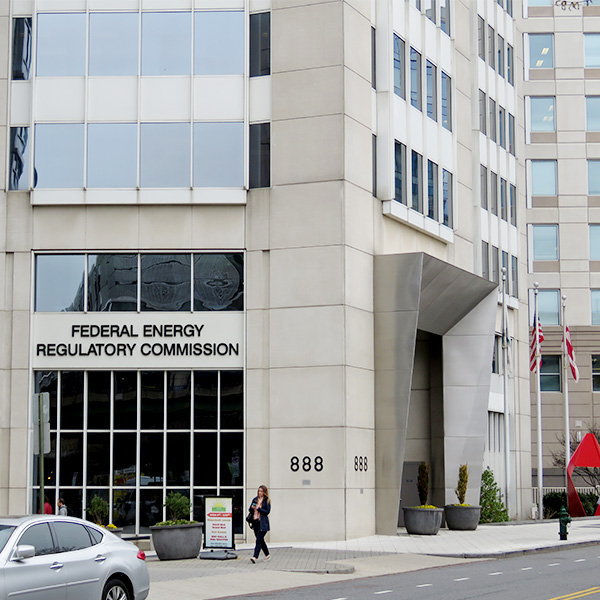
© RTO Insider LLC
FERC accepted NYISO's proposed tariff revisions that were submitted as part of the Demand Curve Reset.
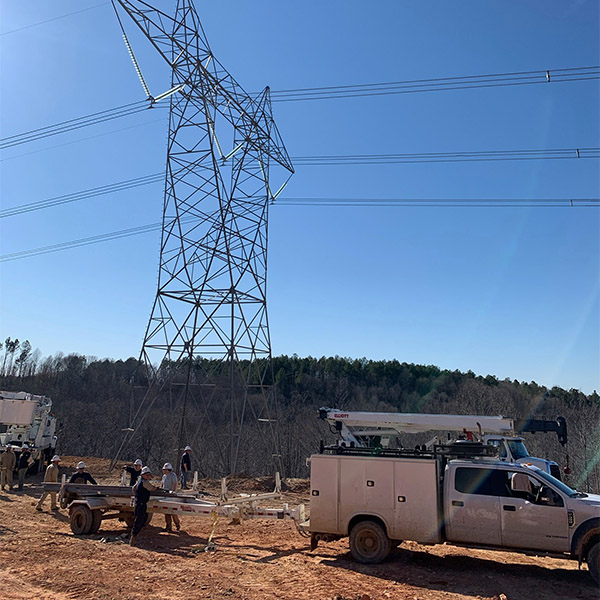
TVA
ACORE says Congress could take steps to establish more comprehensive transmission and generation planning within the TVA.
Want more? Advanced Search