
Energy Storage
MISO
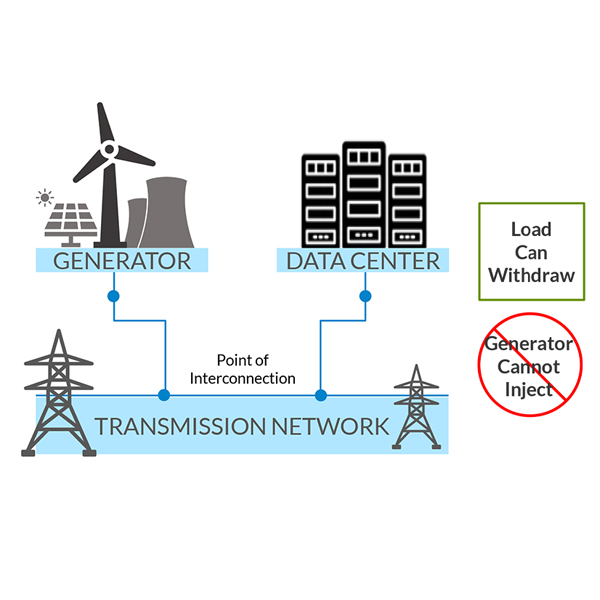
Limiting MISO large load solutions only to zero-injection scenarios misses the mark and can create a myriad of challenges now and in the future, writes David Sapper of the Clean Grid Alliance.

© RTO Insider
PJM’s Market Implementation Committee passed by acclamation a PJM issue charge seeking to more thoroughly define how storage resources participate in the energy and ancillary service markets.
PPL
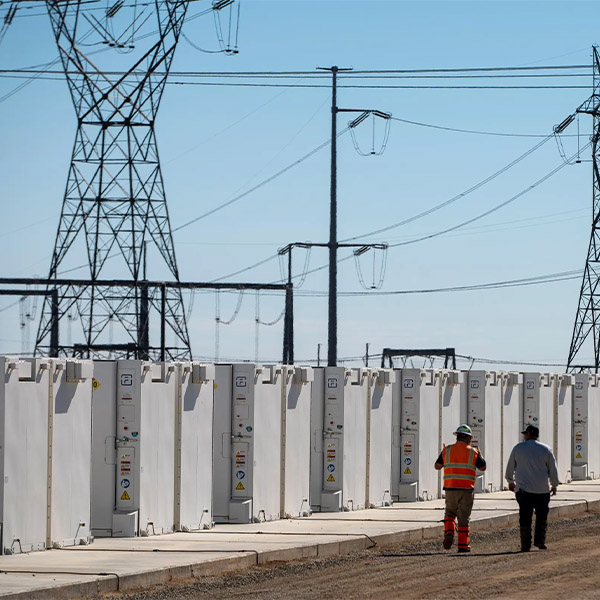
PJM’s Julia Spatafore presented a quick-fix proposal to model battery storage dispatch in Regional Transmission Expansion Plan base cases.
AES Indiana
MISO membership called for modernized market rules for energy storage that can capture its chameleon-like roles.
APS
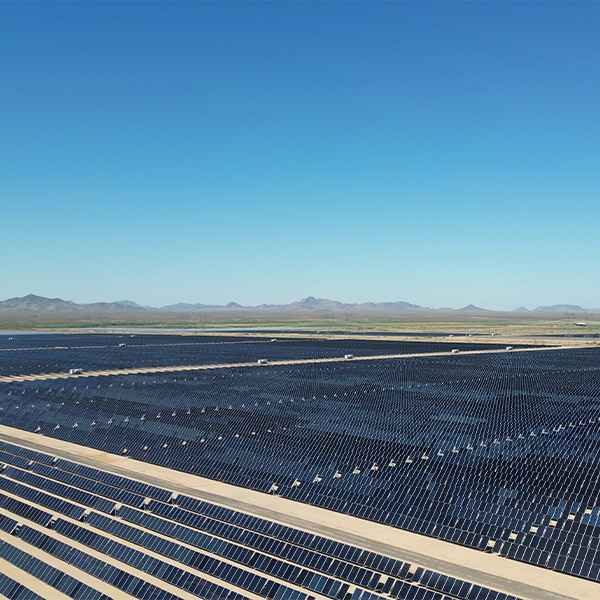
The U.S. Department of Energy has canceled a pending $1.8 billion loan guarantee to Arizona Public Service that was intended to help finance transmission, renewable energy and storage projects.
IESO
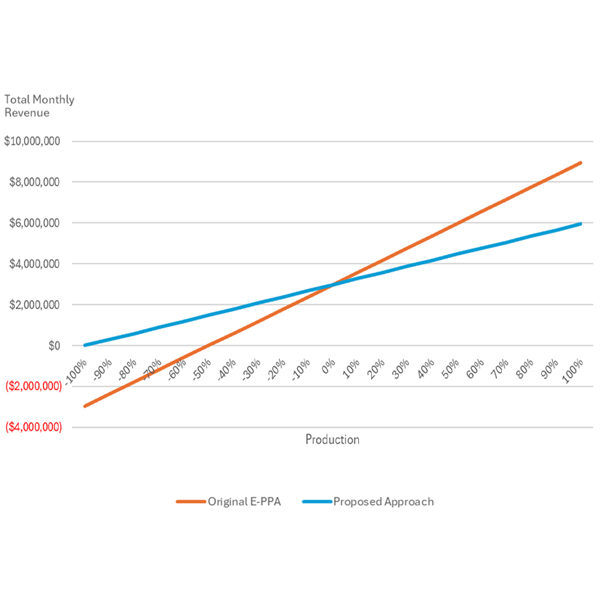
IESO officials held firm on excluding hydro redevelopment projects from the ISO’s Long Lead-Time procurement despite objections from potential bidders.
CPUC
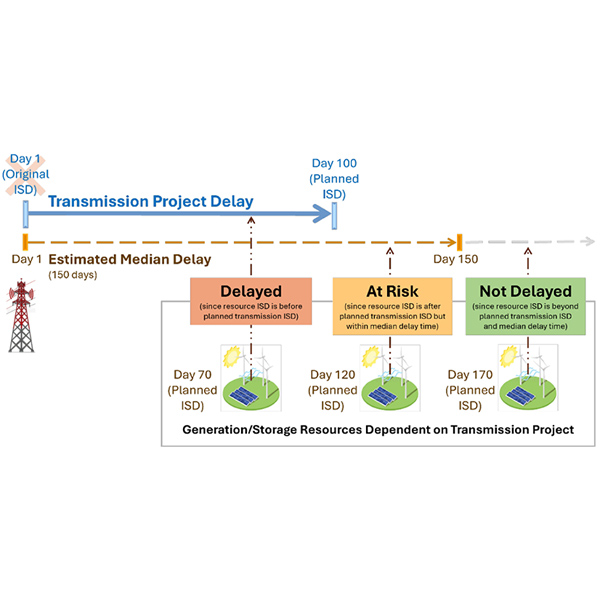
California continues to add in-state renewable energy resources, but the transmission upgrades needed to bring those projects online have been lagging behind, according to the Public Utilities Commission.
ATC and ITC Midwest
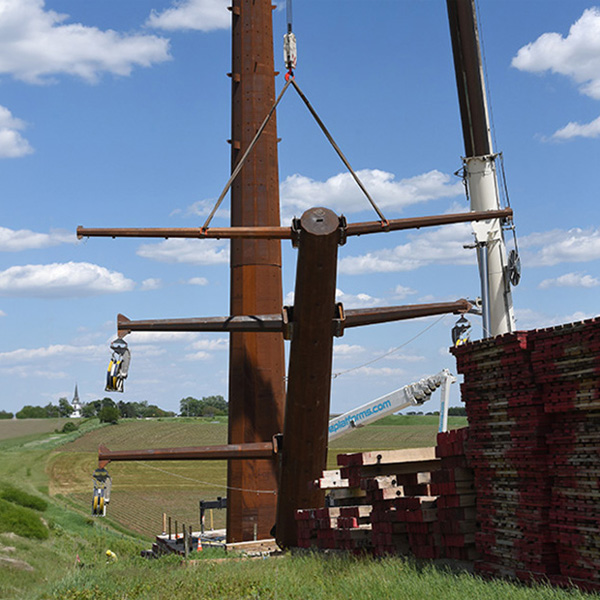
Senators in both parties want to pass permitting legislation, but Democrats will not move forward on a bill unless they get assurances the Trump administration will stop impeding clean energy projects.
NextEra Energy
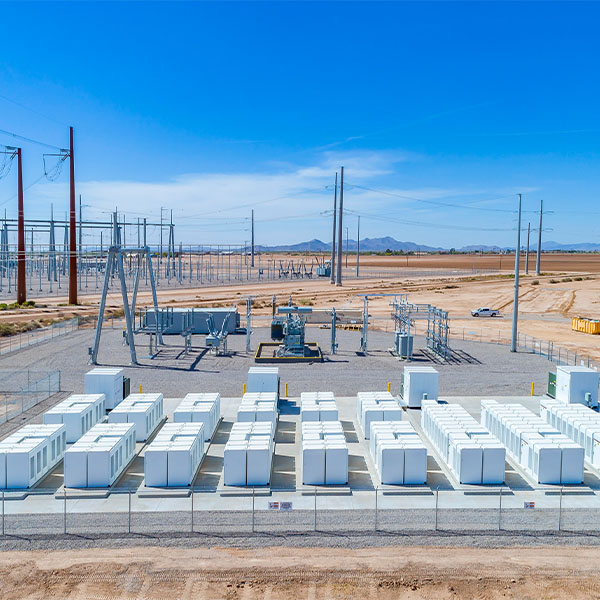
NextEra Energy Resources brought 7.2 GW of new generation and storage into operation and added 13.5 GW to its backlog in 2025.

U.S. Army Corps of Engineers
California’s two large offshore wind projects could be delayed by up to six years due to recent federal policy actions, a CPUC administrative law judge said.
Want more? Advanced Search
