
Generation
CoalGeothermalHydrogenHydropowerNatural GasNuclear PowerOffshore WindOnshore WindOperating ReservesRooftop/distributed SolarUtility-scale Solar

FERC
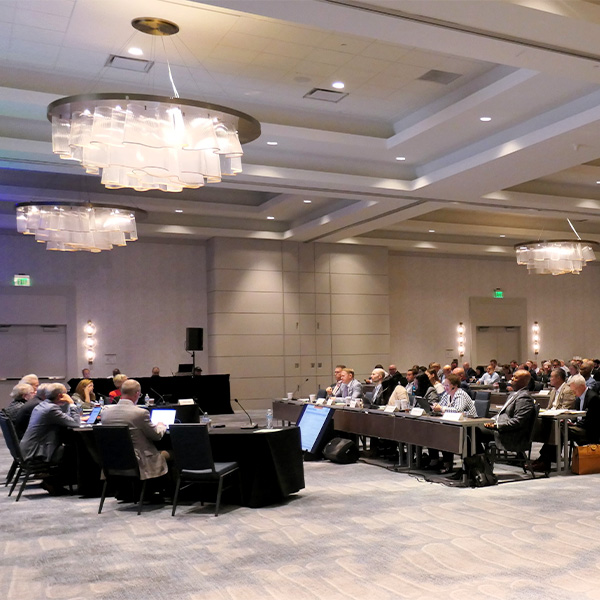
FERC focused on large loads and clearing out older proceedings during its September meeting, with two of three current members saying they hoped to move a pending proceeding on co-located loads in the near future.
© RTO Insider
MISO said 2025 was the most demanding summer since 2012, though it steered the grid with only a single maximum generation event.
Western Maine Energy Storage
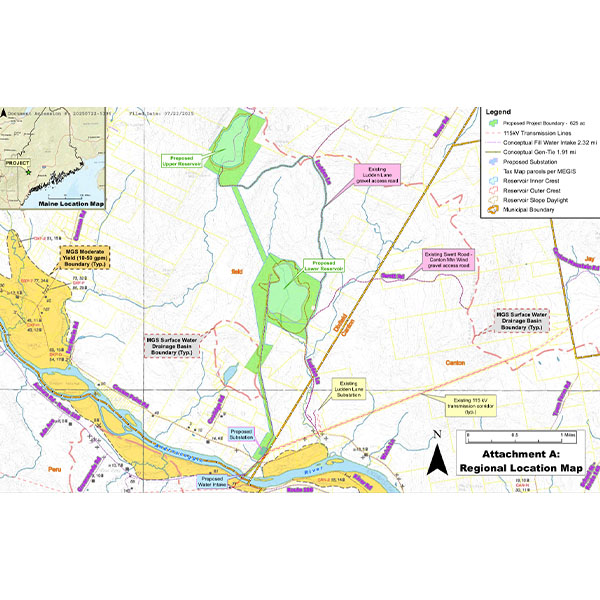
A developer in Maine is evaluating whether pumped storage – one of the oldest generation technologies still used on the New England grid – could play an increased role in the grid of the future.

© RTO Insider
MISO’s generator interconnection queue has fallen to 215 GW as developers cut back on projects in response to the federal phaseout of renewable energy tax incentives, RTO leadership said.

GE Hitachi and Ontario Power Generation
Ontario environmental groups panned the Canadian government’s inclusion of small modular reactors among infrastructure projects selected to receive fast-track regulatory treatment, saying renewables would be a far cheaper way to expand generation capacity.
EIA
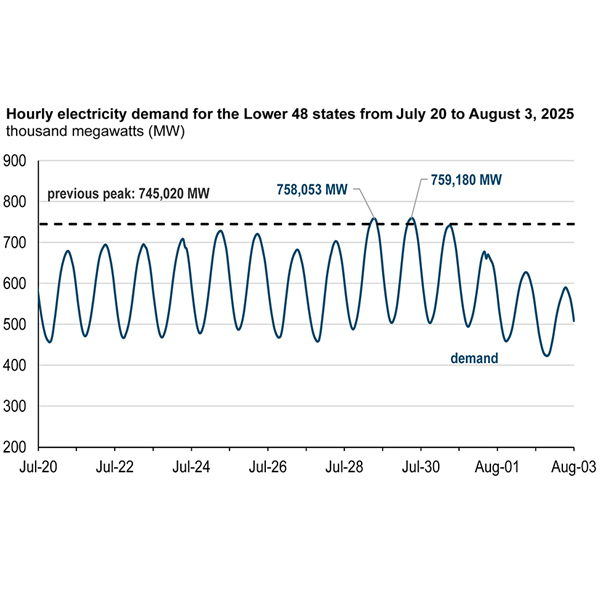
Heat affects the full length of the electric supply chain: from generation, through the grid, to utilities’ customers, says columnist Dej Knuckey.
Exelon
PJM and the New Jersey Board of Public Utilities are in discussions on how the transmission and interconnection facilities planned for the state’s offshore wind aspirations can be put on ice in the wake of all the generation developers pulling out of their projects.
Shutterstock
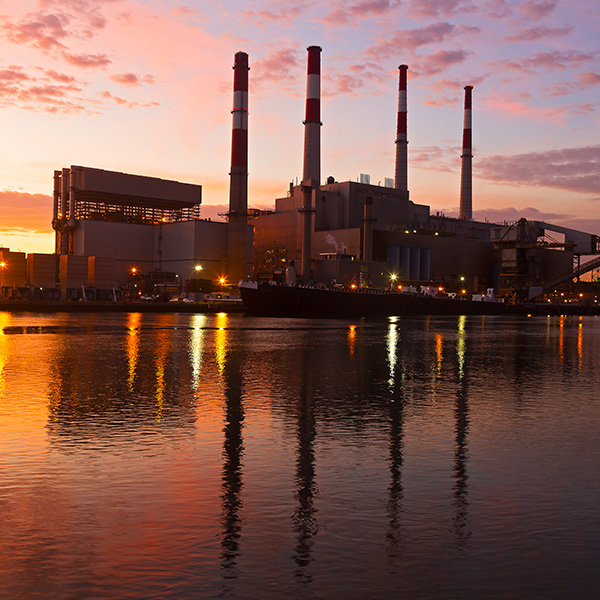
PJM plans to modify and refile a proposal to revise how capacity interconnection rights can be transferred from a deactivating resource to a new unit.
SPP
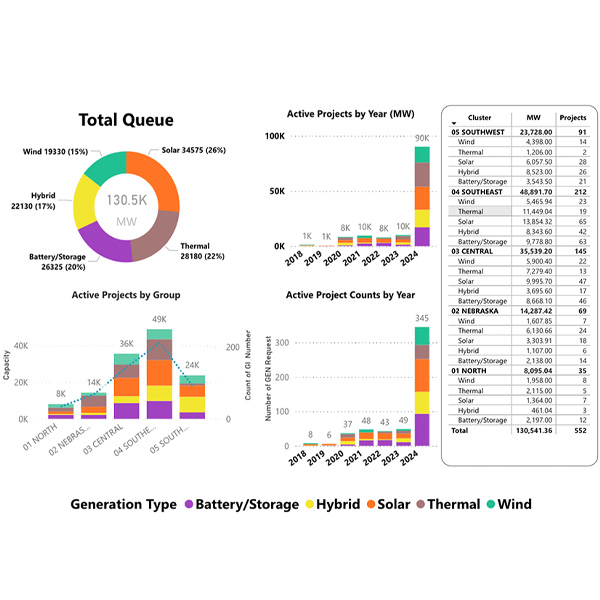
SPP says it has cleared its backlog of generator interconnection requests that date back to 2018, paving the way for a transition to its “first-in-the-country” Consolidated Planning Process.

Entergy Corp.
Texas regulators have approved Entergy Texas’ request to build two natural gas-powered units in MISO’s portion of the state, but they have limited the construction costs eligible for recovery to a combined $2.4 billion.
Want more? Advanced Search
