loss of load expectation (LOLE)
WEC Energy Group
MISO state regulators are considering asking the RTO to keep tabs on resource adequacy risk indicators as they contemplate crafting a replacement standard in the footprint.

Rainbow Energy Center
A trade group representing multiple MISO power producers has lodged a complaint against retroactive pricing revisions in MISO’s 2025/26 capacity auction, joining Pelican Power in calling the repricing unlawful.
Analysis Group
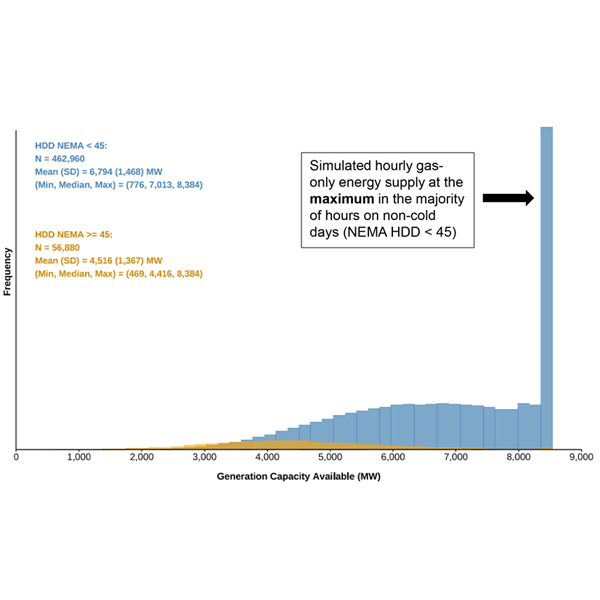
ISO-NE continued work on the second phase of its Capacity Auction Reform project, discussing modeling of the region’s gas constraints, seasonal auction design and its approach to evaluating the impacts of the auction changes.

© RTO Insider
MISO’s Independent Market Monitor said the recently uncovered, eight-year-old repeat error in the RTO’s capacity market that caused a $280 million impact in this year’s auction alone is unfortunate but insisted the resulting prices were efficient.
SPP
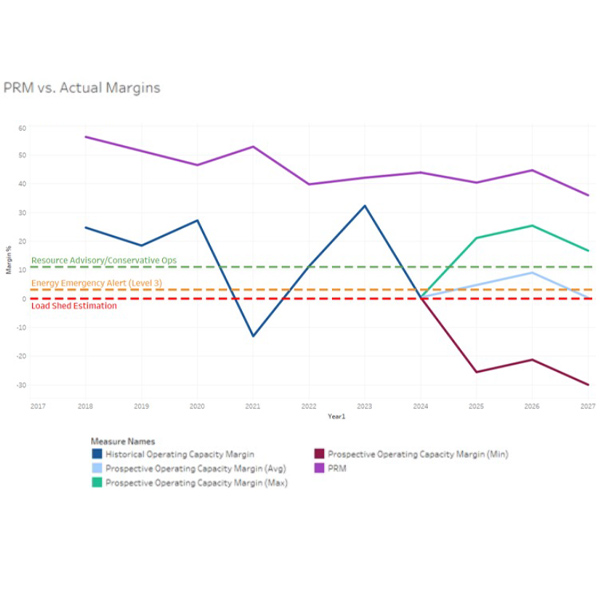
FERC has approved SPP’s tariff revision that establishes separate planning reserve margins for the summer and winter seasons, saying it will provide “more granularity” by recognizing the reliability differences between the two seasons.
ISO-NE
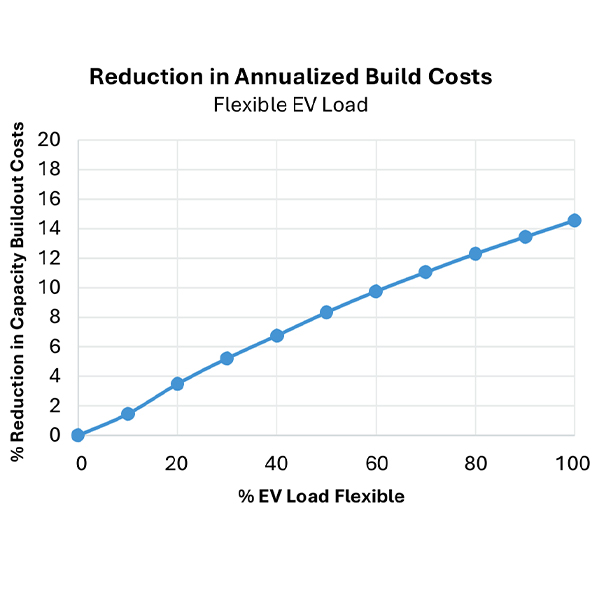
Increased demand flexibility could significantly reduce production costs, capital costs, and transmission costs in New England by better-aligning load with generation and reducing peak loads, ISO-NE said.
© RTO Insider LLC
CAISO is asking the California Public Utilities Commission to consider issuing a new procurement order to meet the region’s electricity reliability needs from 2028-2032, citing significant forecasted load growth in those years.
Matthew T. Rader, CC BY-SA 4.0, via Wikimedia Commons
A new ACEG report says interregional transmission offers resource adequacy benefits and highlights how regions can take advantage of that.
IESO
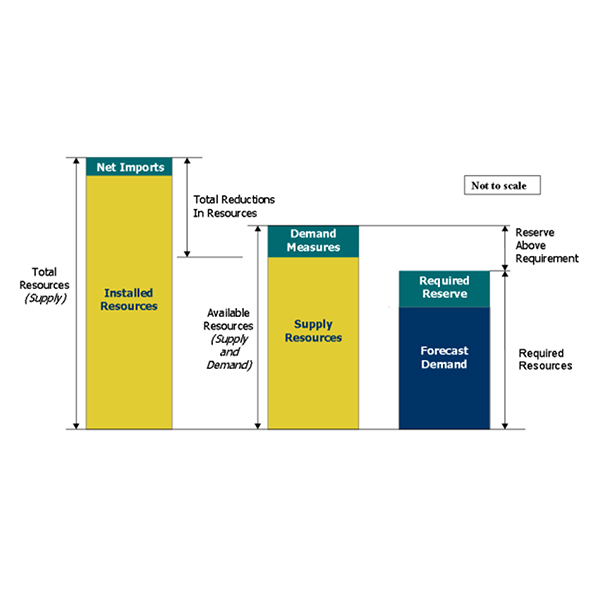
IESO is changing how it projects renewable generation output and its accounting for imports and planned loads in the forecasts it uses to manage generator and transmission outages.

J. Ranck Electric
Four environmental nonprofits insist MISO’s recently approved capacity accreditation is incomplete unless the RTO details how it will conduct its loss of load modeling the new approach relies upon.
Want more? Advanced Search