NetZero Insider
Agriculture & Land UseBuilding DecarbonizationCookingEnergy EfficiencySpace HeatingWater HeatingCommentary & Special ReportsConference coverageCompany NewsEquity & EconomicsEmployment & Economic ImpactEnvironmental & Social JusticeFederal PolicyCongressDepartment of EnergyLoan Programs Office (LPO)Department of TransportationEnvironmental Protection AgencyFederal Energy Regulatory CommissionGeneral Services Administration (GSA)Interior DepartmentBureau of Land ManagementBureau of Ocean Energy ManagementNuclear Regulatory CommissionTreasury DepartmentWhite HouseGeneration & FuelsBioenergyFossil FuelsCoalNatural GasGeothermalHydrogenNuclearSMRRenewable PowerCommunity solarHydropowerOffshore Wind PowerOnshore Wind PowerSolar PowerRooftop solarUtility scale solarImpact & AdaptationIndustrial DecarbonizationState and Local PolicyAlabamaArizonaCaliforniaCA LegislationCalifornia Air Resources Board (CARB)California Energy Commission (CEC)California Public Utilities Commission (CPUC)ColoradoConnecticutDelawareDistrict of ColumbiaFloridaGeorgiaHawaiiIdahoIllinoisIndianaKentuckyLouisianaMaineMarylandMassachusettsMichiganMinnesotaMississippiMissouriMontanaNevadaNew HampshireNew JerseyNew MexicoNew YorkNYSERDAPublic Service CommissionNorth CarolinaNorth DakotaOhioOntarioOregonPennsylvaniaRhode IslandSouth CarolinaTennesseeTexasUtahVermontVirginiaWashingtonWest VirginiaWisconsinWyomingTechnologyCarbon CaptureTransmission & DistributionEnergy StorageMicrogridsTransportation DecarbonizationAirplane DecarbonizationEV chargersHeavy-duty vehiclesBattery Electric Buses (BEB)Fuel Cell Electric Buses (FCEB)Light-duty vehiclesBattery Electric VehiclesFuel Cell VehiclesPlug-in hybrid electric vehiclesShip electrificationClean Ports
Bergey Windpower Company
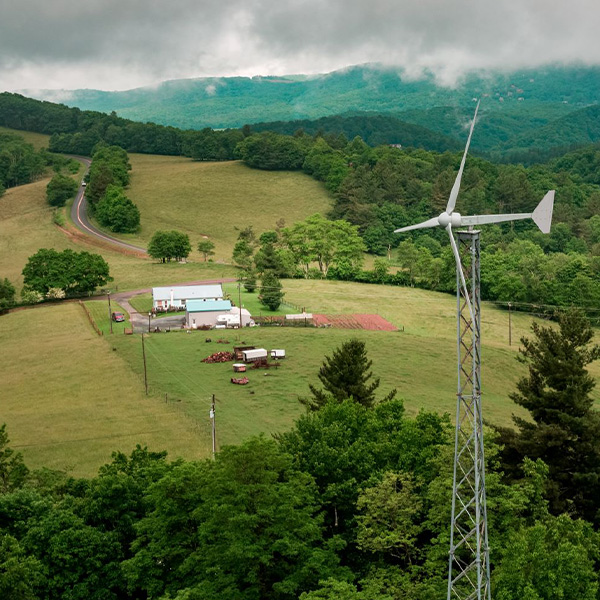
The National Renewable Energy Laboratory last month distributed another round of grants to boost small- to mid-sized wind turbine technology and marketing.
Shutterstock
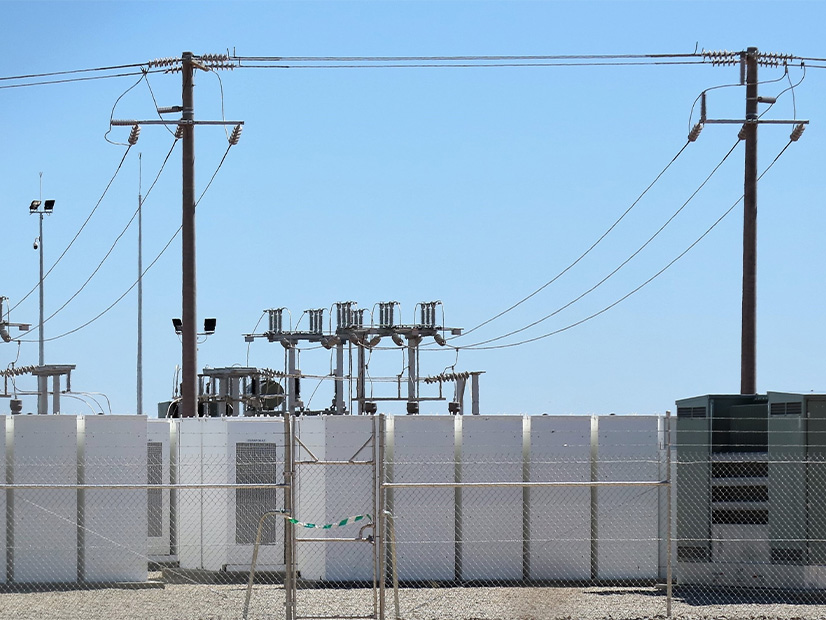
New York is considering a system of credits to help fund what it calls the most ambitious energy storage goal in the nation: 6 GW installed by 2030.
Shutterstock
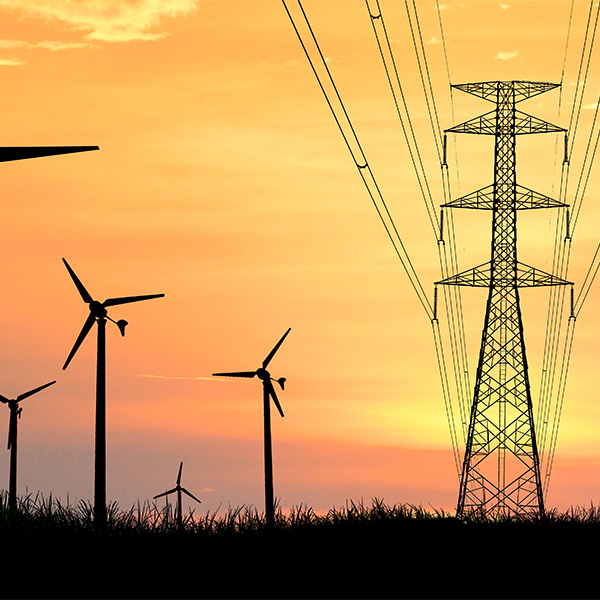
Massachusetts electric distribution companies have been authorized to take on up to 40% of a two-part, $1.7 billion clean energy project in northern Maine.
EVgo
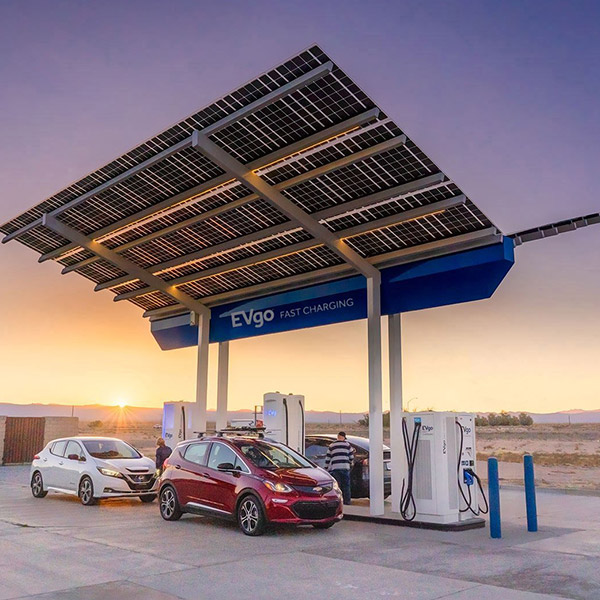
Consumers looking to cash in on the Inflation Reduction Act’s tax credits for electric vehicles may have to wait on the Treasury Department.

© RTO Insider LLC
After a report concluded that developing wind power on the Great Lakes would be challenging and costly, NYSERDA recommended shelving the idea for now.
Shutterstock
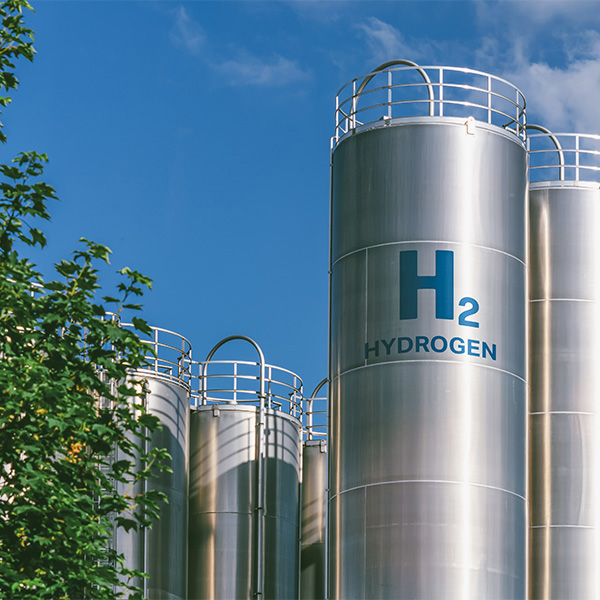
Industry, private developers and state governments from every region of the nation applied for federal funding to create hydrogen hubs.
Ohio General Assembly
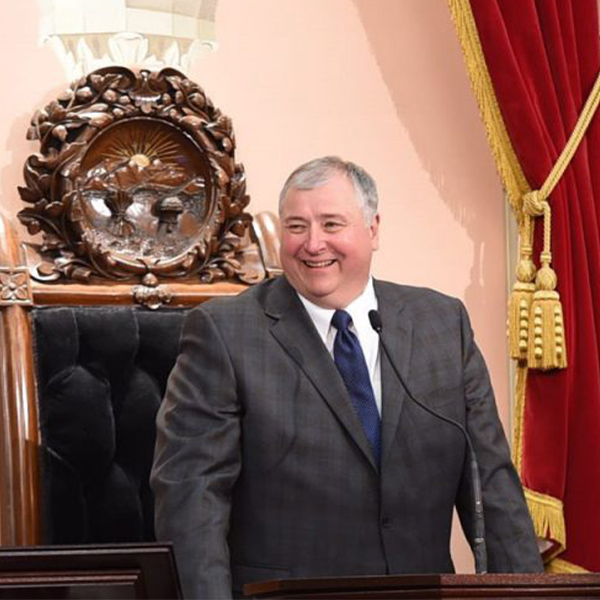
FirstEnergy agreed to another federal fine, this time for lying to FERC auditors about its role in the Ohio bribery scheme to bail out nuclear plants.
Shutterstock
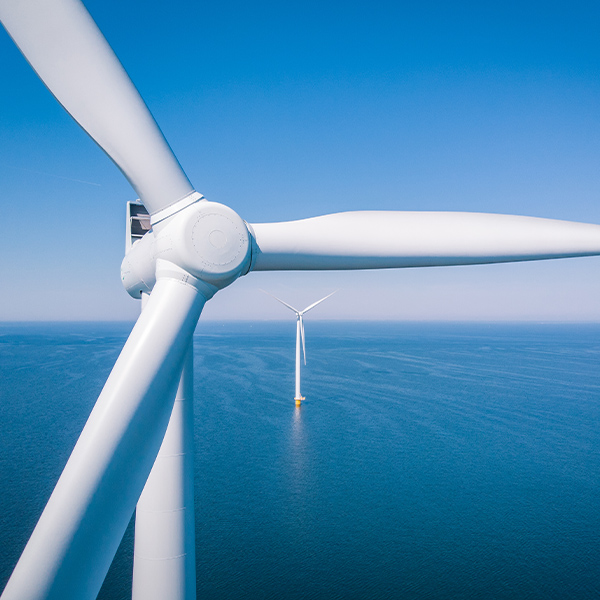
Massachusetts regulators denied Avangrid’s request to back out of PPAs for the 1,200-MW Commonwealth Wind project it committed to build off the state’s coast.
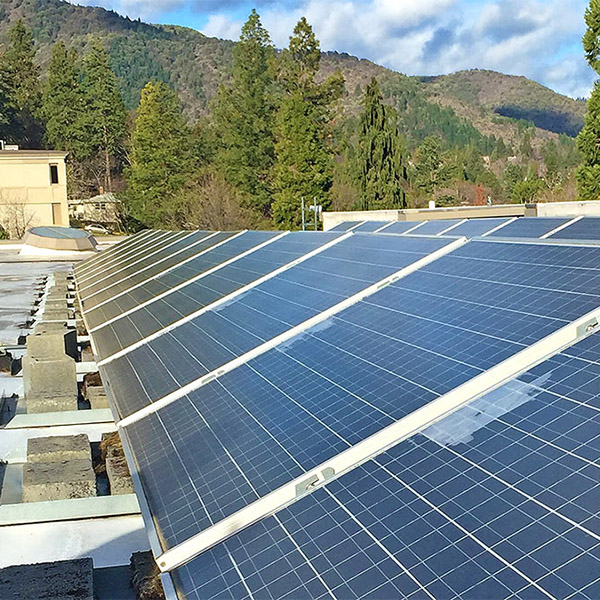
Southern Oregon University
Oregon’s DOE has opened a round of $12 million in grants for community renewable and energy resilience projects focused on rural and disadvantaged communities.

© RTO Insider LLC
The two people who had the broadest, deepest impacts on federal energy policy in 2022 were undoubtedly Energy Secretary Jennifer Granholm and Sen. Joe Manchin.
Want more? Advanced Search