NetZero Insider
Agriculture & Land UseBuilding DecarbonizationCookingEnergy EfficiencySpace HeatingWater HeatingCommentary & Special ReportsConference coverageCompany NewsEquity & EconomicsEmployment & Economic ImpactEnvironmental & Social JusticeFederal PolicyCongressDepartment of EnergyLoan Programs Office (LPO)Department of TransportationEnvironmental Protection AgencyFederal Energy Regulatory CommissionGeneral Services Administration (GSA)Interior DepartmentBureau of Land ManagementBureau of Ocean Energy ManagementNuclear Regulatory CommissionTreasury DepartmentWhite HouseGeneration & FuelsBioenergyFossil FuelsCoalNatural GasGeothermalHydrogenNuclearSMRRenewable PowerCommunity solarHydropowerOffshore Wind PowerOnshore Wind PowerSolar PowerRooftop solarUtility scale solarImpact & AdaptationIndustrial DecarbonizationState and Local PolicyAlabamaArizonaCaliforniaCA LegislationCalifornia Air Resources Board (CARB)California Energy Commission (CEC)California Public Utilities Commission (CPUC)ColoradoConnecticutDelawareDistrict of ColumbiaFloridaGeorgiaHawaiiIdahoIllinoisIndianaKentuckyLouisianaMaineMarylandMassachusettsMichiganMinnesotaMississippiMissouriMontanaNevadaNew HampshireNew JerseyNew MexicoNew YorkNYSERDAPublic Service CommissionNorth CarolinaNorth DakotaOhioOntarioOregonPennsylvaniaRhode IslandSouth CarolinaTennesseeTexasUtahVermontVirginiaWashingtonWest VirginiaWisconsinWyomingTechnologyCarbon CaptureTransmission & DistributionEnergy StorageMicrogridsTransportation DecarbonizationAirplane DecarbonizationEV chargersHeavy-duty vehiclesBattery Electric Buses (BEB)Fuel Cell Electric Buses (FCEB)Light-duty vehiclesBattery Electric VehiclesFuel Cell VehiclesPlug-in hybrid electric vehiclesShip electrificationClean Ports
Shutterstock
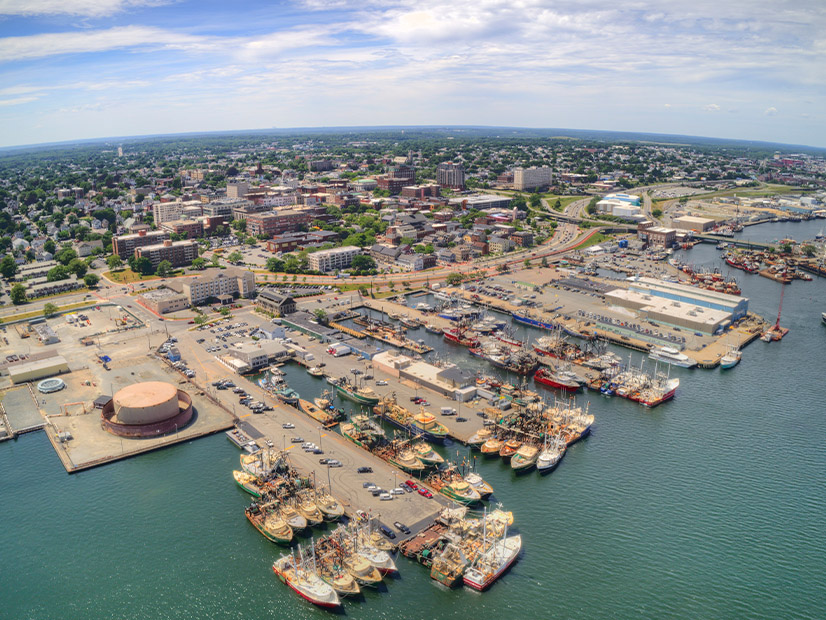
Massachusetts awarded $180 million in grants for port infrastructure in New Bedford, Salem and Somerset to support its growing offshore wind power industry.
Shared-Use Mobility Center
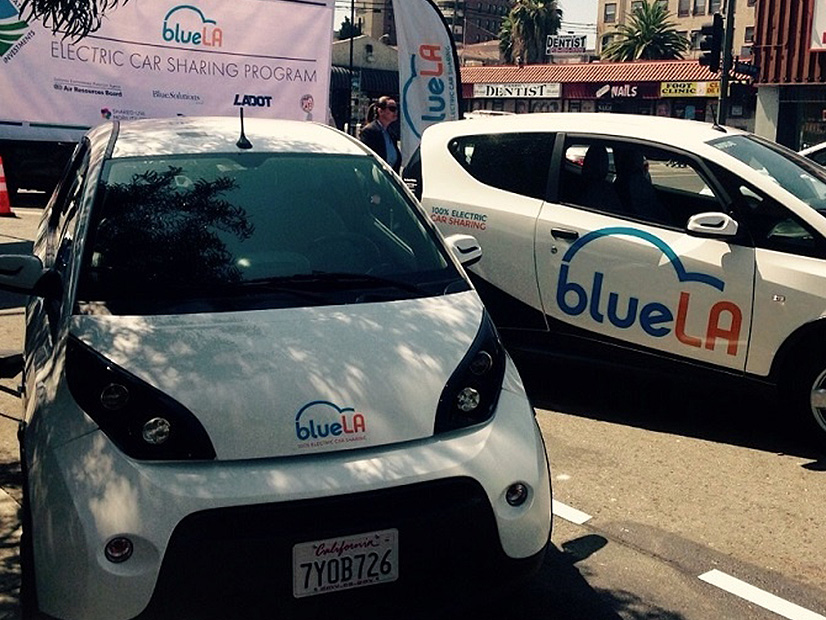
When trying to incorporate equity into EV programs, simply placing a charger in a disadvantaged community is not enough, speakers said during a Western summit.

Red Cliffs Desert Reserve
A draft environmental impact study for a proposed Washington wind and solar farm examines concerns about nesting areas for the region’s ferruginous hawks.
State of New Jersey
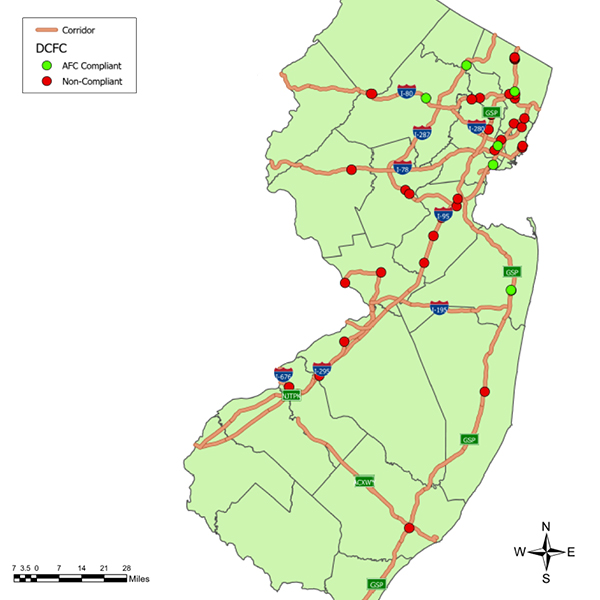
New Jersey’s plan for spending $104 million in funds from the National Electric Vehicle Infrastructure program faced a barrage of stakeholder questions.

Shutterstock
The Oregon Environmental Quality Commission voted to adopt California's Advanced Clean Car II rules banning the sale of gas-powered passenger vehicles by 2035.

Shutterstock
The EPA announced tough new emission standards for heavy-duty vehicles: cleaner trucks but not until the 2027 model year and not completely clean until 2045.
WUSA9
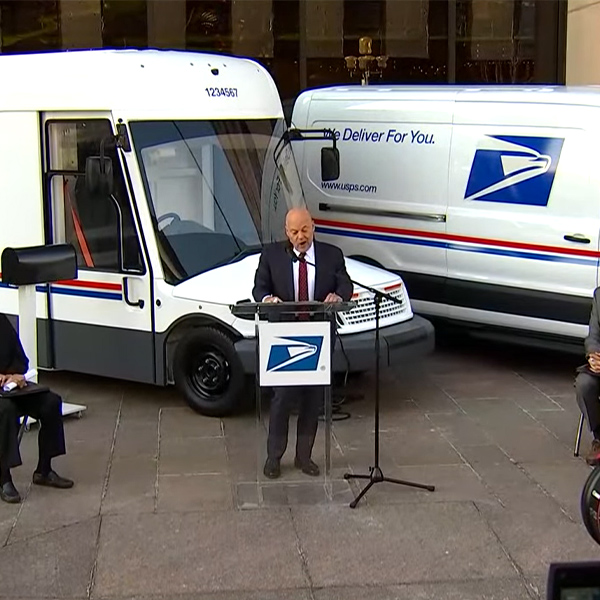
Ending a battle with a Trump holdover, the Biden administration announced that the U.S. Postal Service will procure 66,000 battery electric vehicles.
Washington Dept. of Ecology
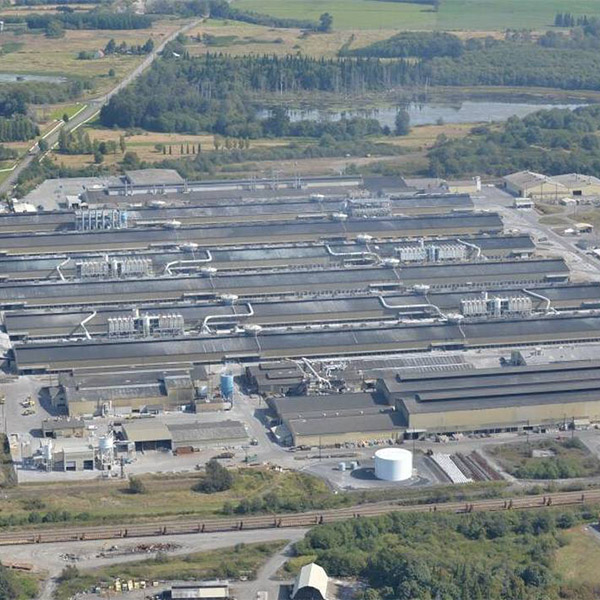
An effort to reopen Washington’s last standing aluminum plant with a lower carbon footprint faltered after BPA declined to guarantee low-cost energy.
Contractors Insurance Agency
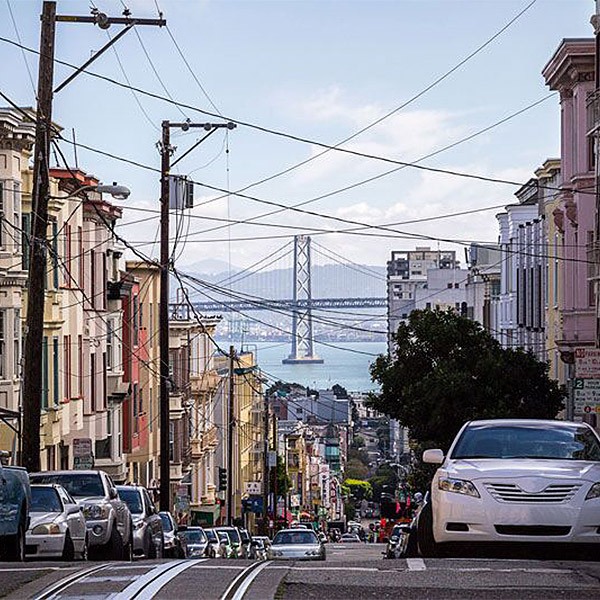
FERC ordered settlement judge procedures for a 3-year-old dispute between PG&E and the city of San Francisco and over the provision of distribution service.
© RTO Insider LLC
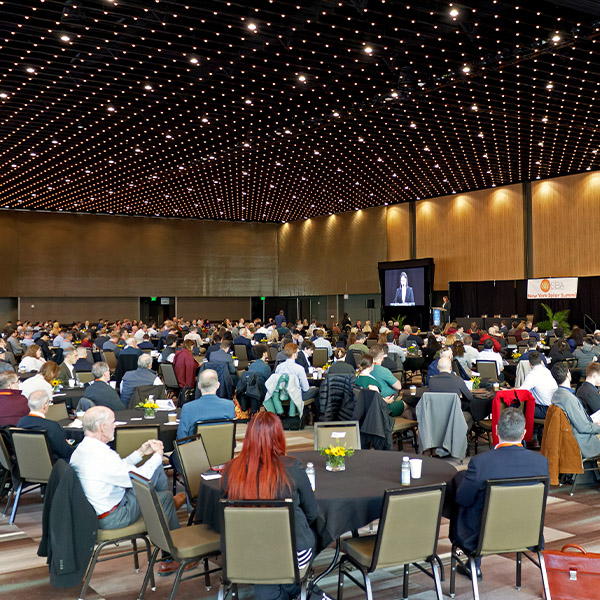
New York’s solar industry last week celebrated with state officials a mixture of favorable policies and new funding expected to boost the industry in 2023.
Want more? Advanced Search