NetZero Insider
Agriculture & Land UseBuilding DecarbonizationCookingEnergy EfficiencySpace HeatingWater HeatingCommentary & Special ReportsConference coverageCompany NewsEquity & EconomicsEmployment & Economic ImpactEnvironmental & Social JusticeFederal PolicyCongressDepartment of EnergyLoan Programs Office (LPO)Department of TransportationEnvironmental Protection AgencyFederal Energy Regulatory CommissionGeneral Services Administration (GSA)Interior DepartmentBureau of Land ManagementBureau of Ocean Energy ManagementNuclear Regulatory CommissionTreasury DepartmentWhite HouseGeneration & FuelsBioenergyFossil FuelsCoalNatural GasGeothermalHydrogenNuclearSMRRenewable PowerCommunity solarHydropowerOffshore Wind PowerOnshore Wind PowerSolar PowerRooftop solarUtility scale solarImpact & AdaptationIndustrial DecarbonizationState and Local PolicyAlabamaArizonaCaliforniaCA LegislationCalifornia Air Resources Board (CARB)California Energy Commission (CEC)California Public Utilities Commission (CPUC)ColoradoConnecticutDelawareDistrict of ColumbiaFloridaGeorgiaHawaiiIdahoIllinoisIndianaKentuckyLouisianaMaineMarylandMassachusettsMichiganMinnesotaMississippiMissouriMontanaNevadaNew HampshireNew JerseyNew MexicoNew YorkNYSERDAPublic Service CommissionNorth CarolinaNorth DakotaOhioOntarioOregonPennsylvaniaRhode IslandSouth CarolinaTennesseeTexasUtahVermontVirginiaWashingtonWest VirginiaWisconsinWyomingTechnologyCarbon CaptureTransmission & DistributionEnergy StorageMicrogridsTransportation DecarbonizationAirplane DecarbonizationEV chargersHeavy-duty vehiclesBattery Electric Buses (BEB)Fuel Cell Electric Buses (FCEB)Light-duty vehiclesBattery Electric VehiclesFuel Cell VehiclesPlug-in hybrid electric vehiclesShip electrificationClean Ports
U.S. Army Corps of Engineers
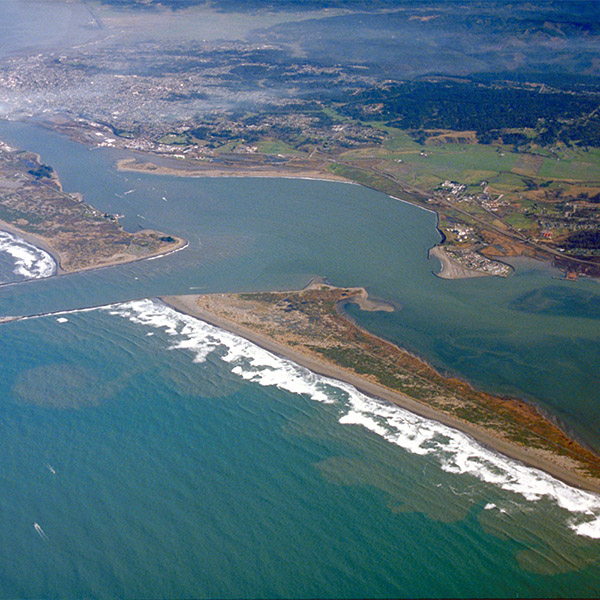
The U.S. Department of Transportation has terminated $679 million in funding commitments for a dozen port and shoreline infrastructure projects planned to serve the offshore wind sector.
Clean Investment Monitor
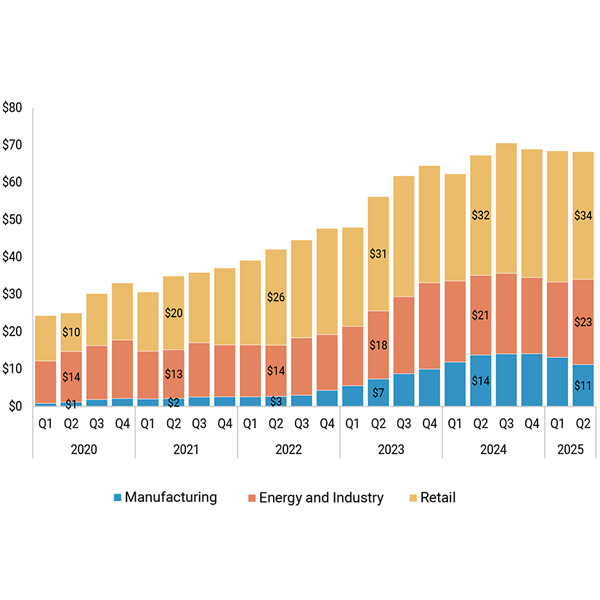
Clean energy investments reached a plateau in the second quarter of 2025 and the pipeline of new project announcements has contracted sharply, a new report shows.
Lawrence Berkley National Lab
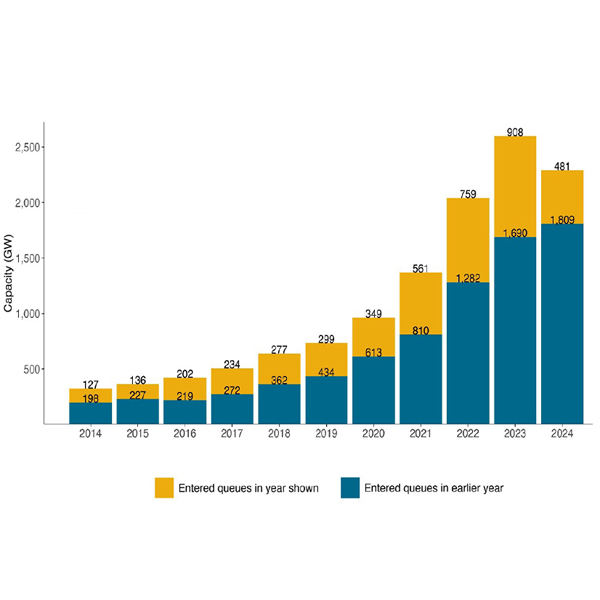
Two new data sets show the industry has started to cut back on record high interconnection queue levels from last year as reforms have started to take hold.
PG&E
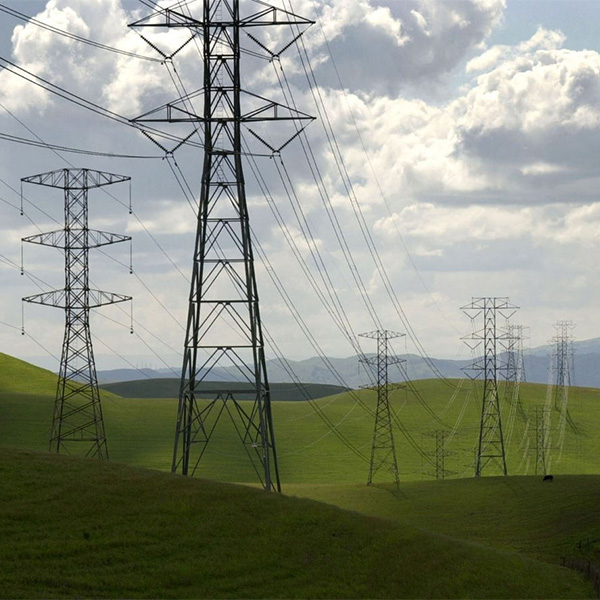
The California Public Utilities Commission is looking for ways to improve a utility-oriented climate adaptation program designed to help protect the most vulnerable people and lands in the Golden State.
Daymark Energy Advisors
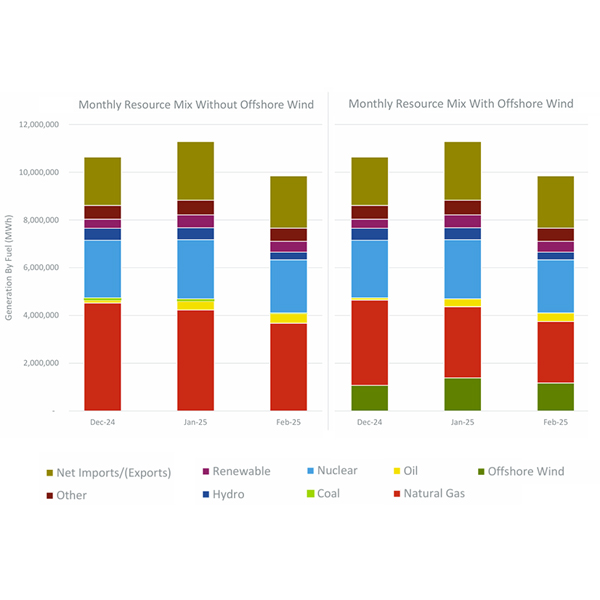
The addition of 3,500 MW of offshore wind capacity would have reduced ISO-NE energy market costs by about $400 million over the past winter, according to a recent study by Daymark Energy Advisors.
Advanced Solar Products
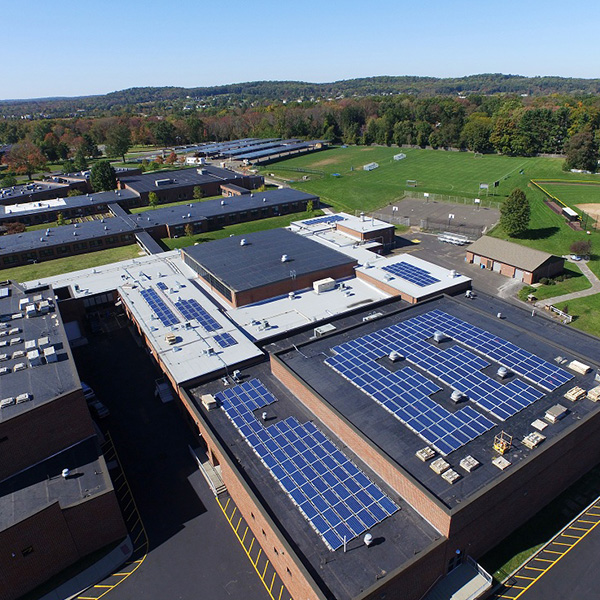
New Jersey's latest draft investment plan for its Regional Greenhouse Gas Initiative funds would broaden the state's portfolio to include electrifying multifamily housing and accelerating investment in wind and solar infrastructure.
Clean Tomorrow
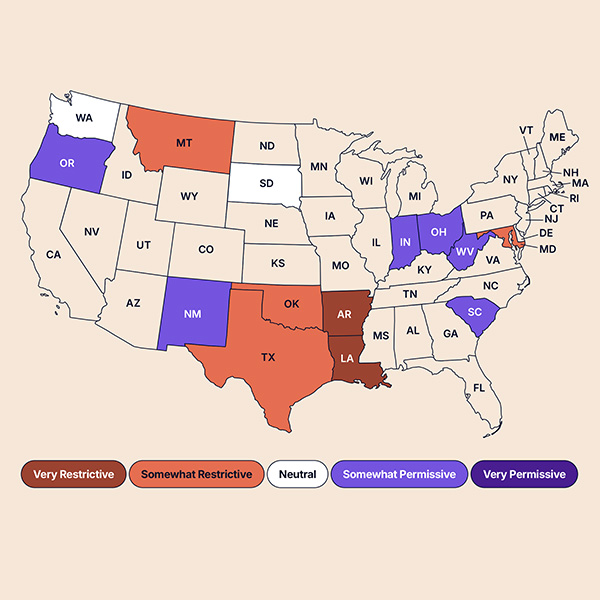
Proposals that would negatively impact renewable energy far outnumbered supportive legislation introduced in state legislatures in the first half of 2025, Clean Tomorrow reports.
Green America
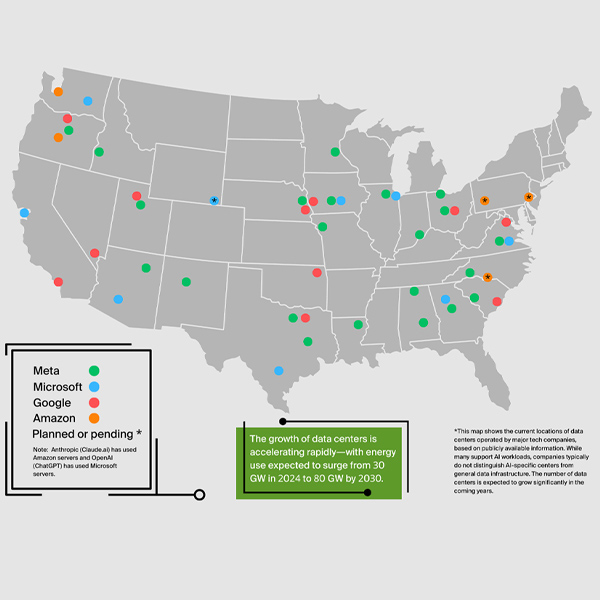
Green America launched a campaign to hold big tech to its clean energy promises as the shift to building data centers has led to higher emissions from the sector in the 2020s.
Federal Reserve Bank of Dallas
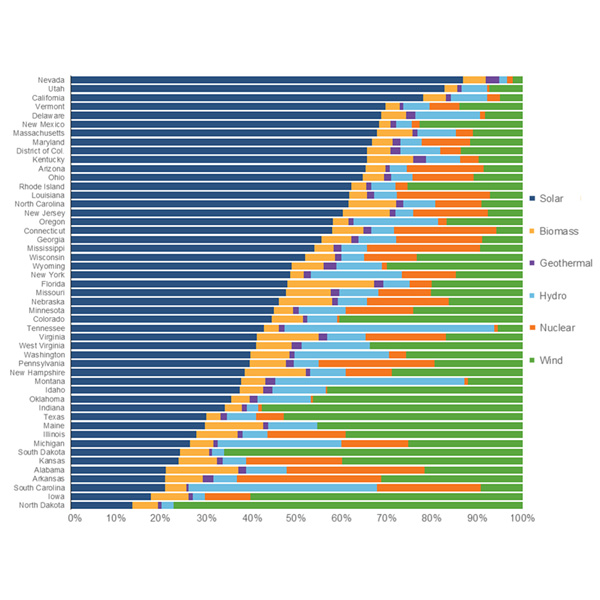
A new analysis details some of the job growth and employment demographics connected to the proliferation of renewable energy in recent years.

Revolution Wind
ISO-NE warned any significant delay of the Revolution Wind project will increase risk to the reliability of the New England grid and undermine the region’s economy.
Want more? Advanced Search