NetZero Insider
Agriculture & Land UseBuilding DecarbonizationCookingEnergy EfficiencySpace HeatingWater HeatingCommentary & Special ReportsConference coverageCompany NewsEquity & EconomicsEmployment & Economic ImpactEnvironmental & Social JusticeFederal PolicyCongressDepartment of EnergyLoan Programs Office (LPO)Department of TransportationEnvironmental Protection AgencyFederal Energy Regulatory CommissionGeneral Services Administration (GSA)Interior DepartmentBureau of Land ManagementBureau of Ocean Energy ManagementNuclear Regulatory CommissionTreasury DepartmentWhite HouseGeneration & FuelsBioenergyFossil FuelsCoalNatural GasGeothermalHydrogenNuclearSMRRenewable PowerCommunity solarHydropowerOffshore Wind PowerOnshore Wind PowerSolar PowerRooftop solarUtility scale solarImpact & AdaptationIndustrial DecarbonizationState and Local PolicyAlabamaArizonaCaliforniaCA LegislationCalifornia Air Resources Board (CARB)California Energy Commission (CEC)California Public Utilities Commission (CPUC)ColoradoConnecticutDelawareDistrict of ColumbiaFloridaGeorgiaHawaiiIdahoIllinoisIndianaKentuckyLouisianaMaineMarylandMassachusettsMichiganMinnesotaMississippiMissouriMontanaNevadaNew HampshireNew JerseyNew MexicoNew YorkNYSERDAPublic Service CommissionNorth CarolinaNorth DakotaOhioOntarioOregonPennsylvaniaRhode IslandSouth CarolinaTennesseeTexasUtahVermontVirginiaWashingtonWest VirginiaWisconsinWyomingTechnologyCarbon CaptureTransmission & DistributionEnergy StorageMicrogridsTransportation DecarbonizationAirplane DecarbonizationEV chargersHeavy-duty vehiclesBattery Electric Buses (BEB)Fuel Cell Electric Buses (FCEB)Light-duty vehiclesBattery Electric VehiclesFuel Cell VehiclesPlug-in hybrid electric vehiclesShip electrificationClean Ports
New Jersey Governor's Office
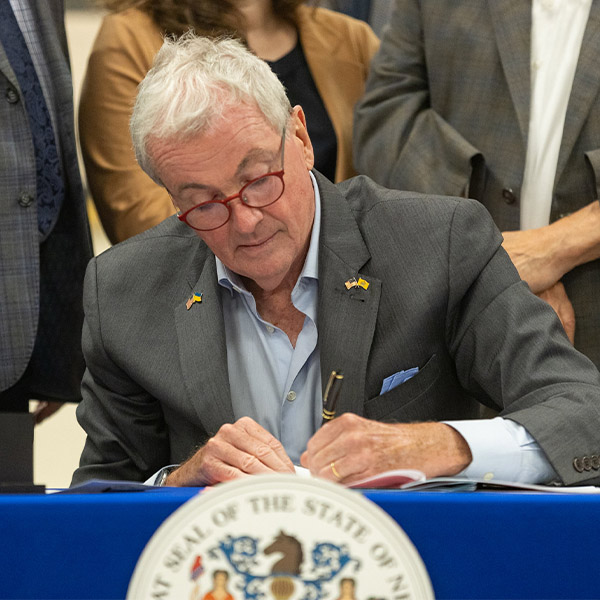
Two laws signed by New Jersey Gov. Phil Murphy aim to dramatically expand the state’s community solar and storage incentive programs as the state searches for new generation sources to help meet a predicted energy shortfall.
Shutterstock
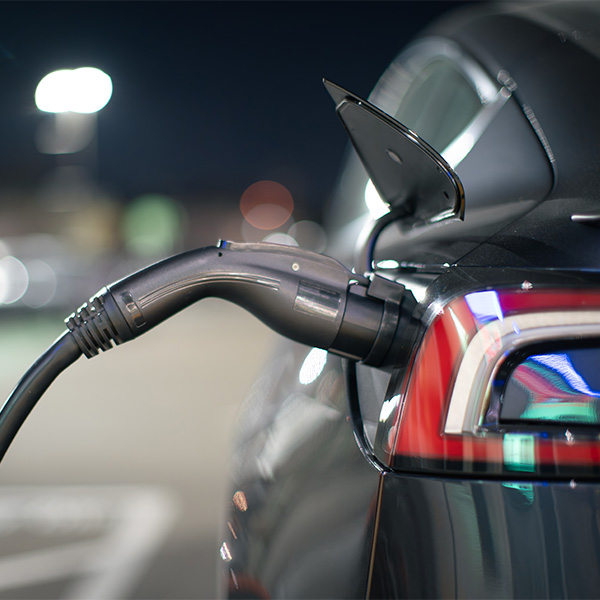
Adapting charging of electrical vehicles to real-time grid conditions could save utilities up to $30 billion annually and reduce peak energy demand, according to a new report by The Brattle Group and smart charging provider ev.energy.
© RTO Insider
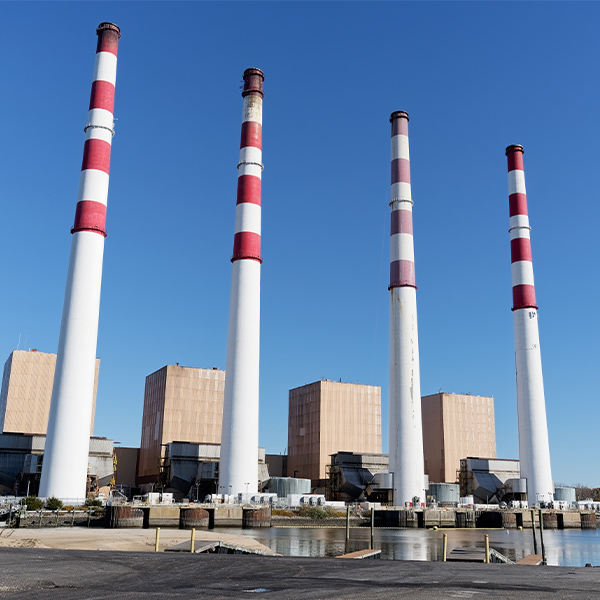
One of New York’s largest fossil-burning power plants will host a pioneering test run by a non-combustion hydrogen generator.

Siemens Gamesa
The Trump administration has slapped Ørsted with a stop-work order on Revolution Wind, a 704-MW project off the New England coast that is 80% complete.

The White House
Former FERC Chair Neil Chatterjee and former Texas Land Commissioner George P. Bush offered their thoughts on the impact of OBBBA on the energy sector during a webinar.
Holtec International
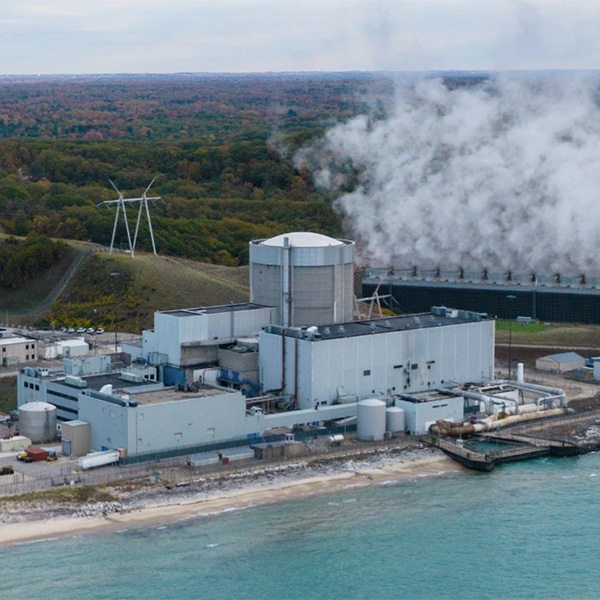
The company that plans to restart the Palisades nuclear facility in Michigan is pushing to build four 300-MW small modular reactors on the site of the decommissioned Oyster Creek Generating Station in New Jersey.

T1 Energy
Russell Gold, a two-time Pulitzer Prize finalist and author of two books, has joined T1 Energy in its quest to build an integrated domestic supply chain for the solar and battery sector.
EIA
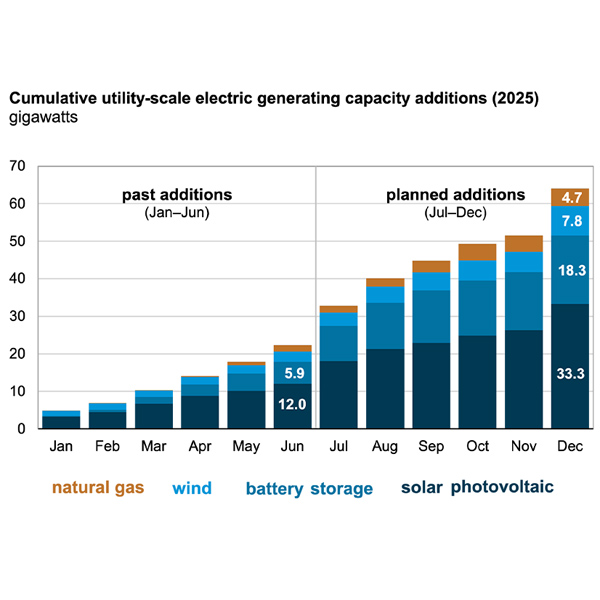
The United States is on track for a record increase in power generation capacity in 2025, the U.S. Energy Information Administration reports.
© RTO Insider
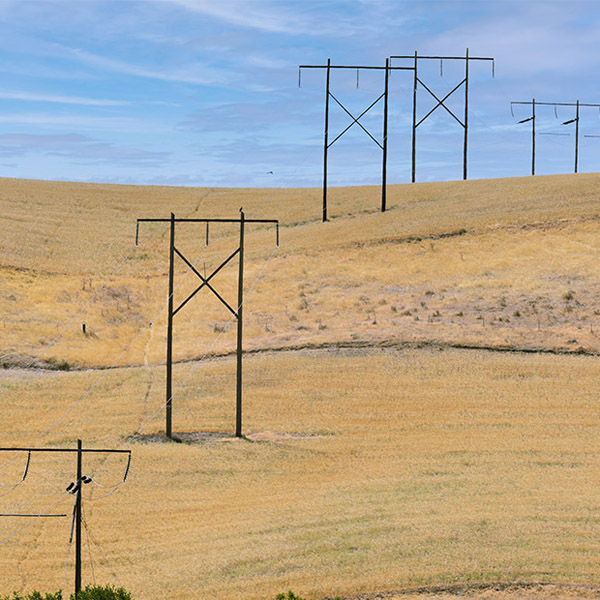
The Oregon Department of Energy’s new draft energy strategy points to the importance of new transmission development and expanding electricity markets for meeting the state's energy goals.
APS
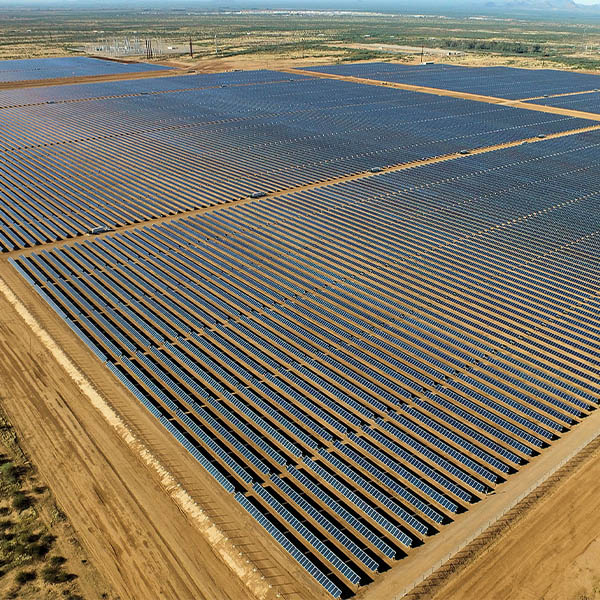
Arizona regulators are moving toward a repeal of a renewable energy standard for utilities, saying the mandate has cost ratepayers billions of dollars since it was adopted in 2006.
Want more? Advanced Search