NetZero Insider
Agriculture & Land UseBuilding DecarbonizationCookingEnergy EfficiencySpace HeatingWater HeatingCommentary & Special ReportsConference coverageCompany NewsEquity & EconomicsEmployment & Economic ImpactEnvironmental & Social JusticeFederal PolicyCongressDepartment of EnergyLoan Programs Office (LPO)Department of TransportationEnvironmental Protection AgencyFederal Energy Regulatory CommissionGeneral Services Administration (GSA)Interior DepartmentBureau of Land ManagementBureau of Ocean Energy ManagementNuclear Regulatory CommissionTreasury DepartmentWhite HouseGeneration & FuelsBioenergyFossil FuelsCoalNatural GasGeothermalHydrogenNuclearSMRRenewable PowerCommunity solarHydropowerOffshore Wind PowerOnshore Wind PowerSolar PowerRooftop solarUtility scale solarImpact & AdaptationIndustrial DecarbonizationState and Local PolicyAlabamaArizonaCaliforniaCA LegislationCalifornia Air Resources Board (CARB)California Energy Commission (CEC)California Public Utilities Commission (CPUC)ColoradoConnecticutDelawareDistrict of ColumbiaFloridaGeorgiaHawaiiIdahoIllinoisIndianaKentuckyLouisianaMaineMarylandMassachusettsMichiganMinnesotaMississippiMissouriMontanaNevadaNew HampshireNew JerseyNew MexicoNew YorkNYSERDAPublic Service CommissionNorth CarolinaNorth DakotaOhioOntarioOregonPennsylvaniaRhode IslandSouth CarolinaTennesseeTexasUtahVermontVirginiaWashingtonWest VirginiaWisconsinWyomingTechnologyCarbon CaptureTransmission & DistributionEnergy StorageMicrogridsTransportation DecarbonizationAirplane DecarbonizationEV chargersHeavy-duty vehiclesBattery Electric Buses (BEB)Fuel Cell Electric Buses (FCEB)Light-duty vehiclesBattery Electric VehiclesFuel Cell VehiclesPlug-in hybrid electric vehiclesShip electrificationClean Ports
Shutterstock
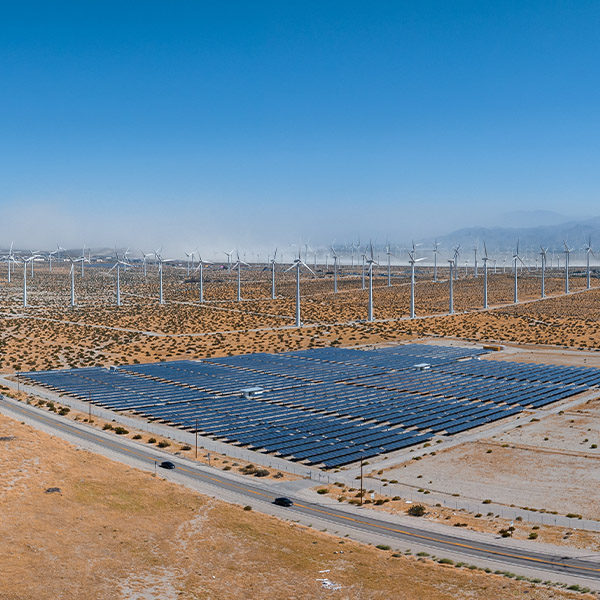
Every Department of Interior action pertaining to wind and solar energy development must now be reviewed and approved by the Office of the Interior Secretary — after two subordinate offices separately have reviewed them and signed off.
bp
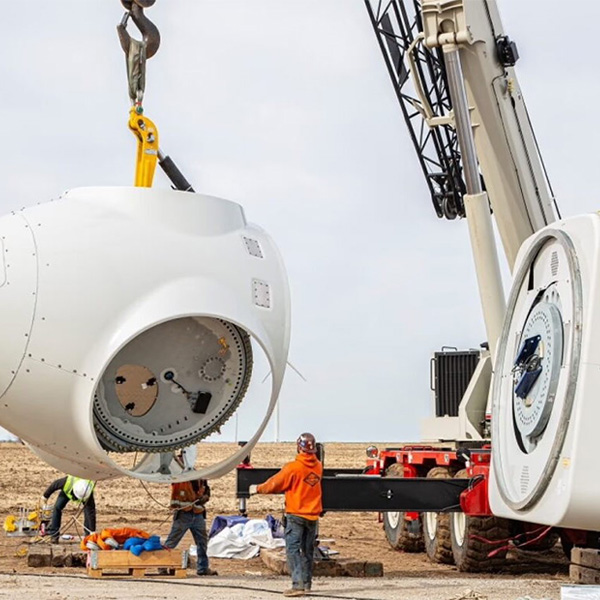
The 10 wind farms span seven states, provide power to more than 15 off-takers, and have a gross nameplate capacity of 1.7 GW.

NYSERDA
The PSC shut down the process to build an underwater transmission network to bring electricity to shore from the hundreds of wind turbines the state hopes to see spinning off its coastline.
Yes Energy
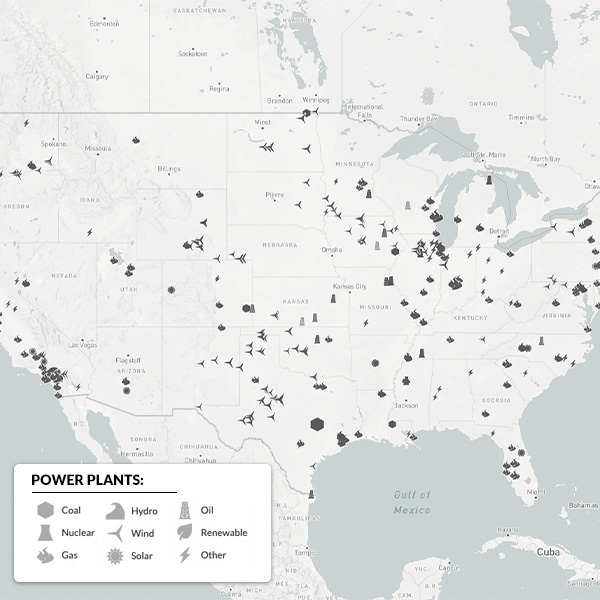
Industry experts say that while DOE's report points to a well known issue, it focuses only on keeping old plants online instead of needed new capacity.

Georgia Power
Georgia Power will add at least 6 GW of new generation capacity by 2031, and potentially as much as 8.5 GW, under its recently approved integrated resource plan.

Dominion Energy
The Virginia SCC ordered changes to Dominion's IRP filings, requiring scenarios that meet state clean energy goals and have an increased level of storage, efficiency and demand-side management.
Sen. Dave McCormick
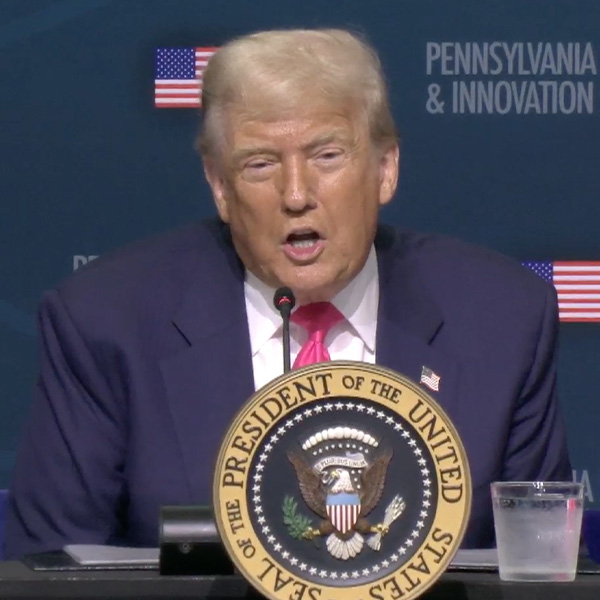
New technology and energy facilities are planned for Pennsylvania at a cost of more than $90 billion, including multiple power plants and data centers, possibly co-located.
Vineyard Wind
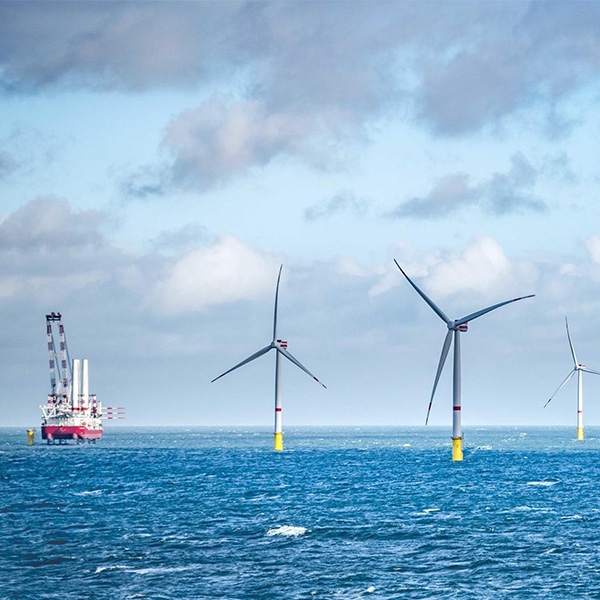
Nantucket said the agreement with GE Vernova for the Vineyard Wind 1 incident is compensation for costs and losses sustained by the town and local businesses.

Yes Energy
Texas has blown itself a renewable‐energy bubble, spawning so much solar and wind energy that the kind of generation it actually needs sits on the drawing board, says energy consultant Doug Sheridan.

The White House
How deeply the One Big Beautiful Bill Act will impact clean energy still is being determined.
Want more? Advanced Search