NetZero Insider
Agriculture & Land UseBuilding DecarbonizationCookingEnergy EfficiencySpace HeatingWater HeatingCommentary & Special ReportsConference coverageCompany NewsEquity & EconomicsEmployment & Economic ImpactEnvironmental & Social JusticeFederal PolicyCongressDepartment of EnergyLoan Programs Office (LPO)Department of TransportationEnvironmental Protection AgencyFederal Energy Regulatory CommissionGeneral Services Administration (GSA)Interior DepartmentBureau of Land ManagementBureau of Ocean Energy ManagementNuclear Regulatory CommissionTreasury DepartmentWhite HouseGeneration & FuelsBioenergyFossil FuelsCoalNatural GasGeothermalHydrogenNuclearSMRRenewable PowerCommunity solarHydropowerOffshore Wind PowerOnshore Wind PowerSolar PowerRooftop solarUtility scale solarImpact & AdaptationIndustrial DecarbonizationState and Local PolicyAlabamaArizonaCaliforniaCA LegislationCalifornia Air Resources Board (CARB)California Energy Commission (CEC)California Public Utilities Commission (CPUC)ColoradoConnecticutDelawareDistrict of ColumbiaFloridaGeorgiaHawaiiIdahoIllinoisIndianaKentuckyLouisianaMaineMarylandMassachusettsMichiganMinnesotaMississippiMissouriMontanaNevadaNew HampshireNew JerseyNew MexicoNew YorkNYSERDAPublic Service CommissionNorth CarolinaNorth DakotaOhioOntarioOregonPennsylvaniaRhode IslandSouth CarolinaTennesseeTexasUtahVermontVirginiaWashingtonWest VirginiaWisconsinWyomingTechnologyCarbon CaptureTransmission & DistributionEnergy StorageMicrogridsTransportation DecarbonizationAirplane DecarbonizationEV chargersHeavy-duty vehiclesBattery Electric Buses (BEB)Fuel Cell Electric Buses (FCEB)Light-duty vehiclesBattery Electric VehiclesFuel Cell VehiclesPlug-in hybrid electric vehiclesShip electrificationClean Ports
Consultants are evaluating four primary pathways for hydrogen production in California, and say it’s too soon to eliminate any of them from a long-term strategy for the state’s green hydrogen industry.
The rescinded memo specifically recognized states’ authority to “determine which of their projects shall be federally funded by federal-aid highway formula dollars.”
NYISO presented its assumptions for the economic and electrification trends that would drive load growth through the 2040s based on Moody’s Analytics data, which show statewide population to “significantly” decline.
FERC approved a guarantee for National Grid to recoup all prudently incurred costs for the company’s portion of the Power Up New England transmission project if the project is terminated due to factors outside the company’s control.
RTO Insider LLC, which has been covering the U.S.’ wholesale power markets since 2013, has agreed to be acquired by Yes Energy, which provides data, tools and analysis on the same markets.
Uncertainty around federal funding, permitting approvals and tariffs is creating major challenges for clean energy development in the Northeast, industry representatives said at NECA’s annual Renewable Energy Conference.
Speakers at an event promoting the use of geothermal energy discussed the technology's potential future.
Minnesota regulators voted unanimously to require that Amazon demonstrate a need for a 250-unit fleet of backup diesel generators at its proposed data center in the state.
The House Energy and Commerce Subcommittee on Energy looked into demand growth, which both parties recognized as an opportunity that could benefit policy changes, though plenty of daylight exists on how to address it.
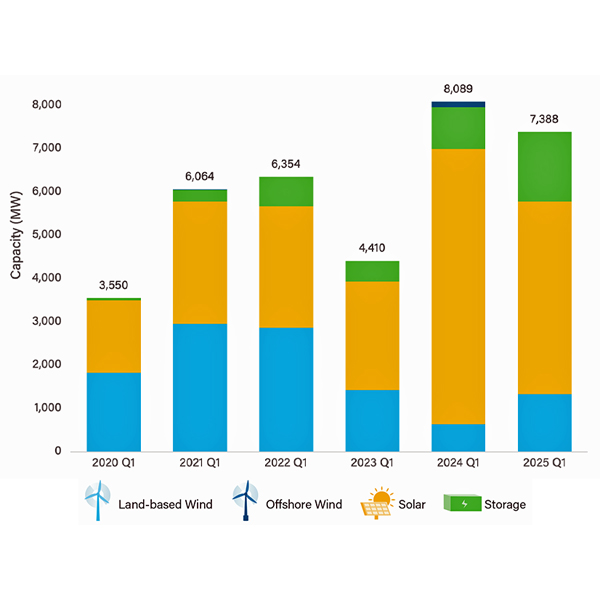
A record 49 GW of clean energy generation came online in 2024 in the U.S., nearly 33% more than in 2023, the American Clean Power Association reported.
Want more? Advanced Search