NetZero Insider
Agriculture & Land UseBuilding DecarbonizationCookingEnergy EfficiencySpace HeatingWater HeatingCommentary & Special ReportsConference coverageCompany NewsEquity & EconomicsEmployment & Economic ImpactEnvironmental & Social JusticeFederal PolicyCongressDepartment of EnergyLoan Programs Office (LPO)Department of TransportationEnvironmental Protection AgencyFederal Energy Regulatory CommissionGeneral Services Administration (GSA)Interior DepartmentBureau of Land ManagementBureau of Ocean Energy ManagementNuclear Regulatory CommissionTreasury DepartmentWhite HouseGeneration & FuelsBioenergyFossil FuelsCoalNatural GasGeothermalHydrogenNuclearSMRRenewable PowerCommunity solarHydropowerOffshore Wind PowerOnshore Wind PowerSolar PowerRooftop solarUtility scale solarImpact & AdaptationIndustrial DecarbonizationState and Local PolicyAlabamaArizonaCaliforniaCA LegislationCalifornia Air Resources Board (CARB)California Energy Commission (CEC)California Public Utilities Commission (CPUC)ColoradoConnecticutDelawareDistrict of ColumbiaFloridaGeorgiaHawaiiIdahoIllinoisIndianaKentuckyLouisianaMaineMarylandMassachusettsMichiganMinnesotaMississippiMissouriMontanaNevadaNew HampshireNew JerseyNew MexicoNew YorkNYSERDAPublic Service CommissionNorth CarolinaNorth DakotaOhioOntarioOregonPennsylvaniaRhode IslandSouth CarolinaTennesseeTexasUtahVermontVirginiaWashingtonWest VirginiaWisconsinWyomingTechnologyCarbon CaptureTransmission & DistributionEnergy StorageMicrogridsTransportation DecarbonizationAirplane DecarbonizationEV chargersHeavy-duty vehiclesBattery Electric Buses (BEB)Fuel Cell Electric Buses (FCEB)Light-duty vehiclesBattery Electric VehiclesFuel Cell VehiclesPlug-in hybrid electric vehiclesShip electrificationClean Ports
CAISO
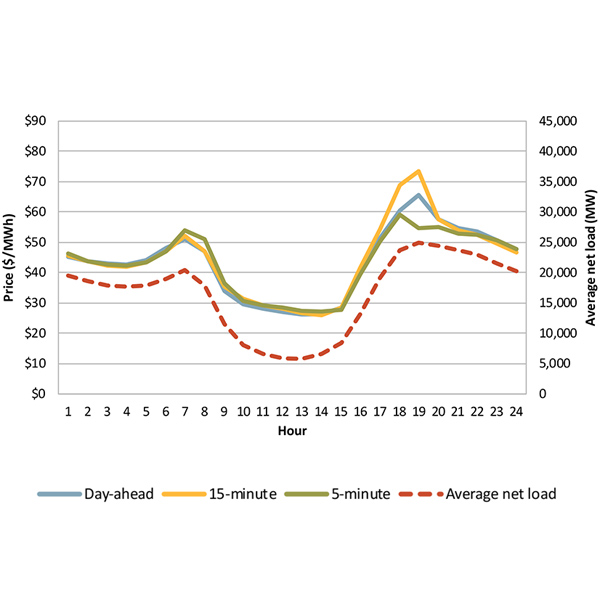
The duck curve has landed in New England, not the sunniest of places, but it and California are by no means the only grids that will be greatly affected, says columnist Peter Kelly-Detwiler.
American Clean Power
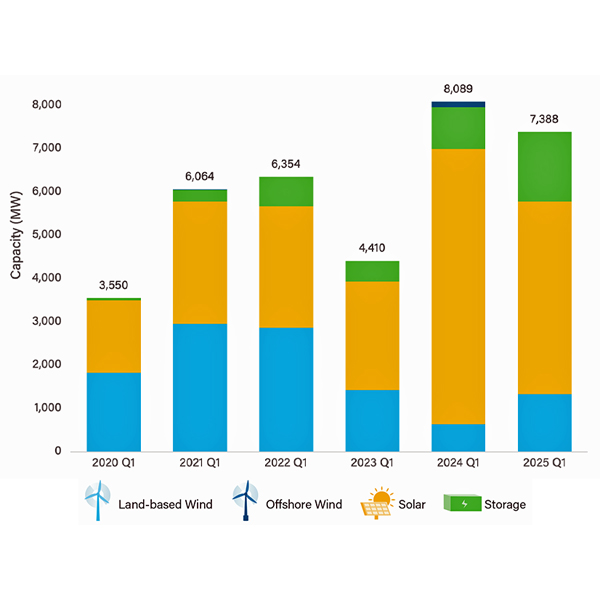
This was the second-strongest start to a year ever recorded in the United States and brought the total to 320.86 GW installed nationwide.
© RTO Insider
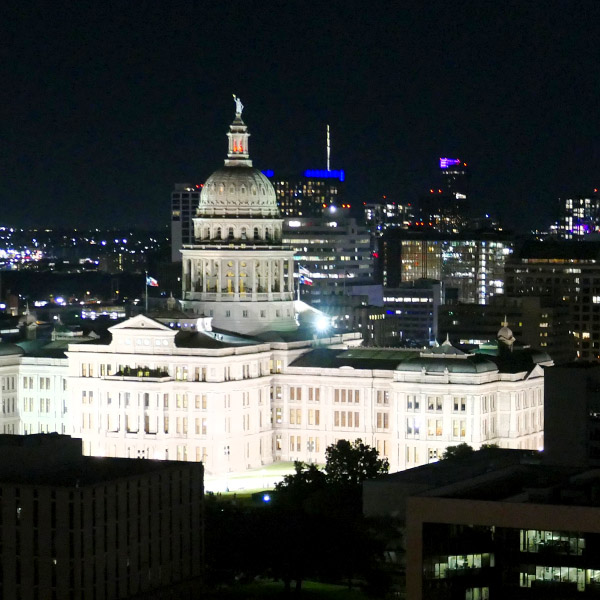
ERCOT's blossoming clean energy sector has been threatened by bills that would dampen its growth and future investment, but many of those laws appear to have fallen by the wayside in the Texas legislature's closing days.
Convergent Energy and Power
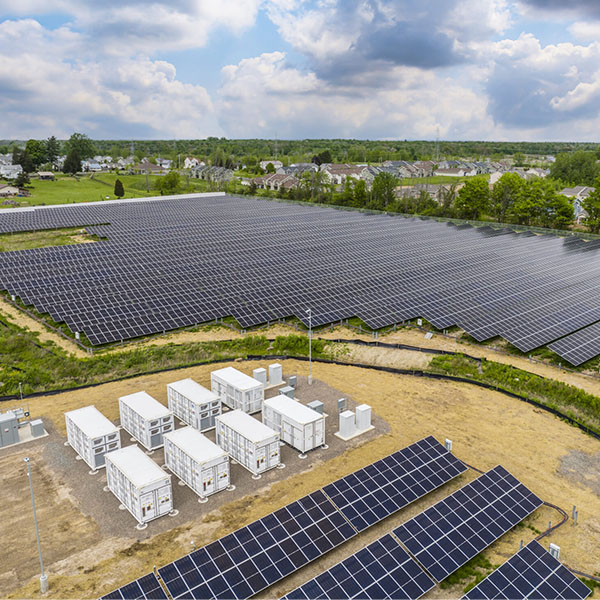
The New Jersey Board of Public Utilities has approved new grid modernization rules the agency says will make the process of launching new distributed sources easier and faster.
Air Products
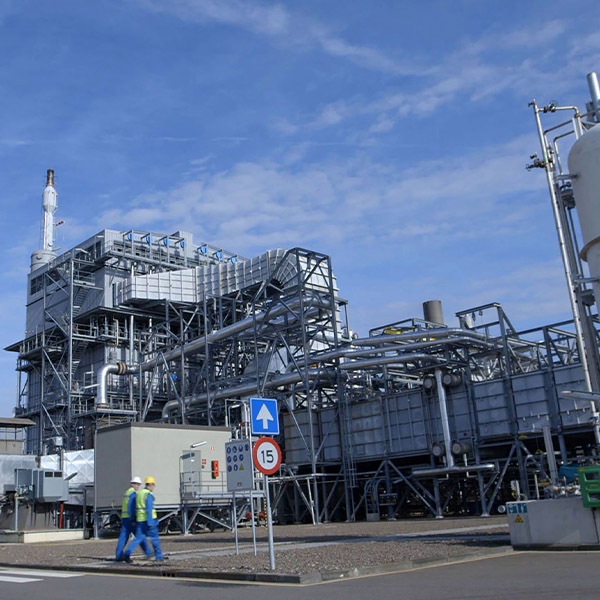
Clean energy and transportation project cancellations continue as 2025 rolls on, with E2's analysis of public announcements showing investments of $4.5 billion abandoned in April alone.
Anfield Energy
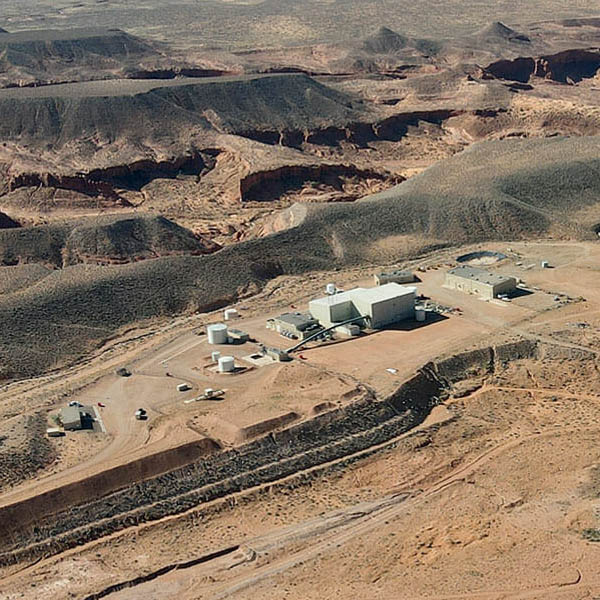
Federal regulators are off to a running start on their expedited review of energy projects, greenlighting a uranium mine expansion in just 11 days.

© RTO Insider
Federal funding disruption and a surge in electricity demand will require states to implement resource adequacy and financial support policies for new energy sources, speakers at an energy conference in New Jersey said.
Georgia Power
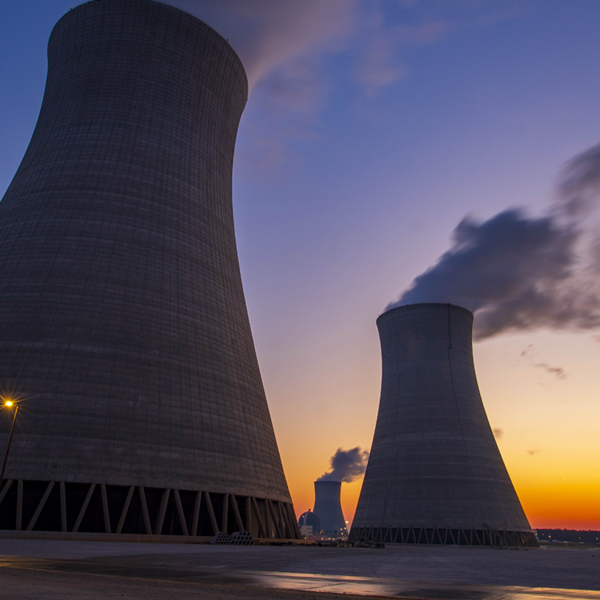
President Trump moved to speed up nuclear power development with a series of executive orders designed to ease federal regulations on the sector.

© RTO Insider
Government officials and industry executives discussed how to mitigate rising energy costs in New England at the NECPUC Symposium.
David Maiolo, CC BY-SA-3.0, via Wikimedia Commons
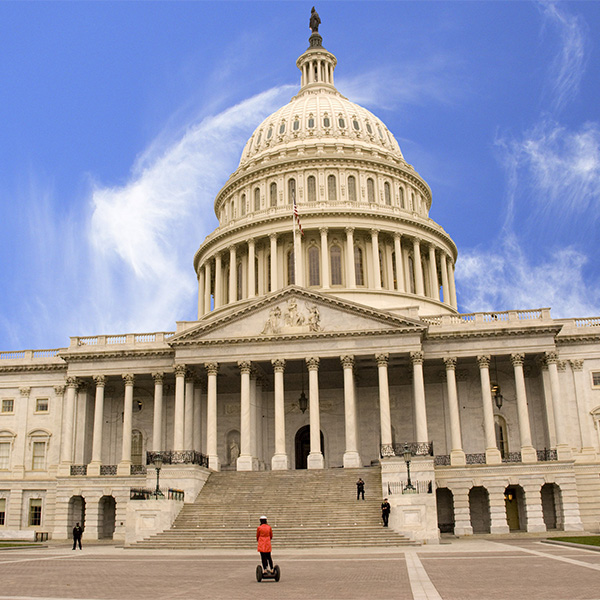
The House of Representatives narrowly passed President Donald Trump’s “One, Big Beautiful Bill” that would extend tax cuts for individuals and render energy tax credits effectively useless.
Want more? Advanced Search