NetZero Insider
Agriculture & Land UseBuilding DecarbonizationCookingEnergy EfficiencySpace HeatingWater HeatingCommentary & Special ReportsConference coverageCompany NewsEquity & EconomicsEmployment & Economic ImpactEnvironmental & Social JusticeFederal PolicyCongressDepartment of EnergyLoan Programs Office (LPO)Department of TransportationEnvironmental Protection AgencyFederal Energy Regulatory CommissionGeneral Services Administration (GSA)Interior DepartmentBureau of Land ManagementBureau of Ocean Energy ManagementNuclear Regulatory CommissionTreasury DepartmentWhite HouseGeneration & FuelsBioenergyFossil FuelsCoalNatural GasGeothermalHydrogenNuclearSMRRenewable PowerCommunity solarHydropowerOffshore Wind PowerOnshore Wind PowerSolar PowerRooftop solarUtility scale solarImpact & AdaptationIndustrial DecarbonizationState and Local PolicyAlabamaArizonaCaliforniaCA LegislationCalifornia Air Resources Board (CARB)California Energy Commission (CEC)California Public Utilities Commission (CPUC)ColoradoConnecticutDelawareDistrict of ColumbiaFloridaGeorgiaHawaiiIdahoIllinoisIndianaKentuckyLouisianaMaineMarylandMassachusettsMichiganMinnesotaMississippiMissouriMontanaNevadaNew HampshireNew JerseyNew MexicoNew YorkNYSERDAPublic Service CommissionNorth CarolinaNorth DakotaOhioOntarioOregonPennsylvaniaRhode IslandSouth CarolinaTennesseeTexasUtahVermontVirginiaWashingtonWest VirginiaWisconsinWyomingTechnologyCarbon CaptureTransmission & DistributionEnergy StorageMicrogridsTransportation DecarbonizationAirplane DecarbonizationEV chargersHeavy-duty vehiclesBattery Electric Buses (BEB)Fuel Cell Electric Buses (FCEB)Light-duty vehiclesBattery Electric VehiclesFuel Cell VehiclesPlug-in hybrid electric vehiclesShip electrificationClean Ports
NYPA
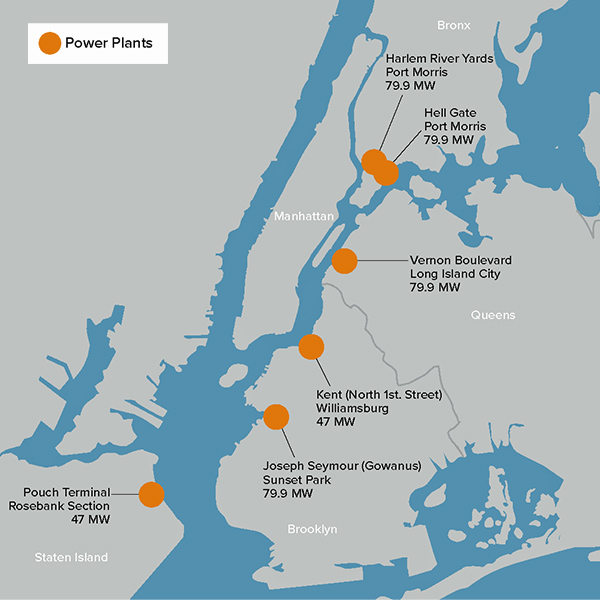
Federal policy changes and slow buildout of emissions-free generation may change the timetable for the retirement of New York Power Authority gas-fired peaker plants in New York City.
Shutterstock
Key House committees are marking up “One Big, Beautiful Bill” for the fiscal 2025 budget that includes much of President Donald Trump’s legislative goals, including clawing back funds and phasing out tax credits for clean energy.

CEC
The California Energy Commission approved three integrated resource plans for publicly owned utilities as the state prepares the grid to meet peak loads this summer.
ERCOT
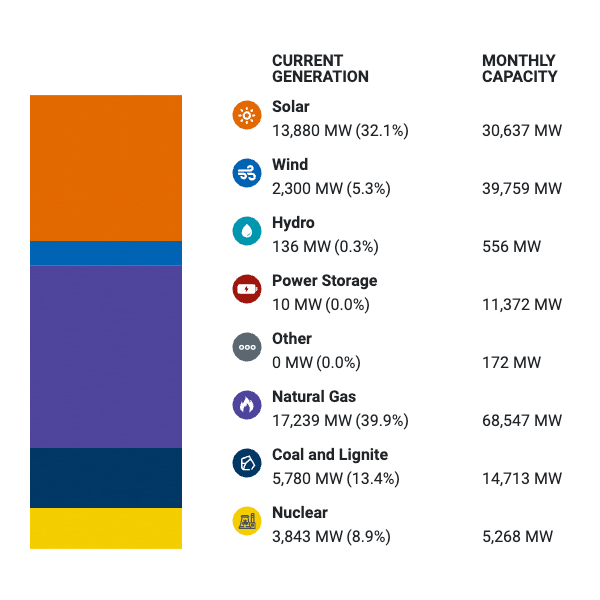
Energy industry insider Doug Sheridan says subsidized solar may look economically attractive today, but its distortive impacts on energy markets tell a different story.

© RTO Insider
States looking to upgrade their grid to accept offshore wind power should look for secondary benefits to lure support, speakers said at the International Partnering Forum 25 conference.
Shutterstock
A coalition of 17 states alleges that President Donald Trump’s administration is withholding billions of dollars in congressionally approved funds meant for the expansion of electric vehicle charging infrastructure.
Duke Energy
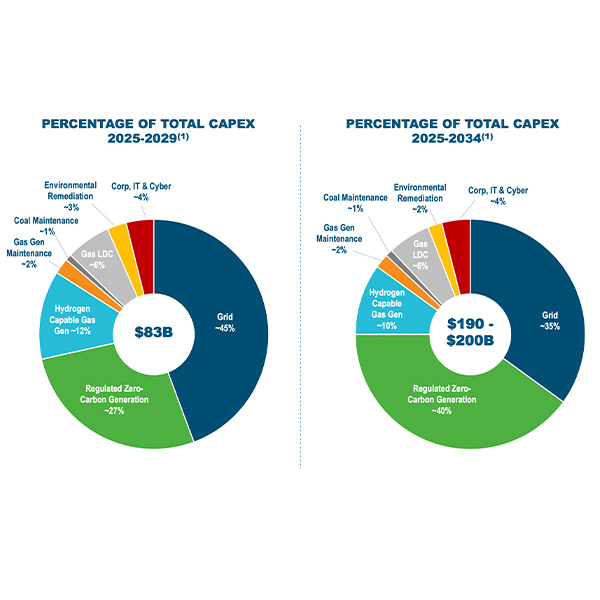
Duke Energy described plans to invest up to $200 billion in the next decade to meet demand growth across its multiple utilities during an earnings call for the first quarter of 2025.
Senate Energy and Natural Resources Committee
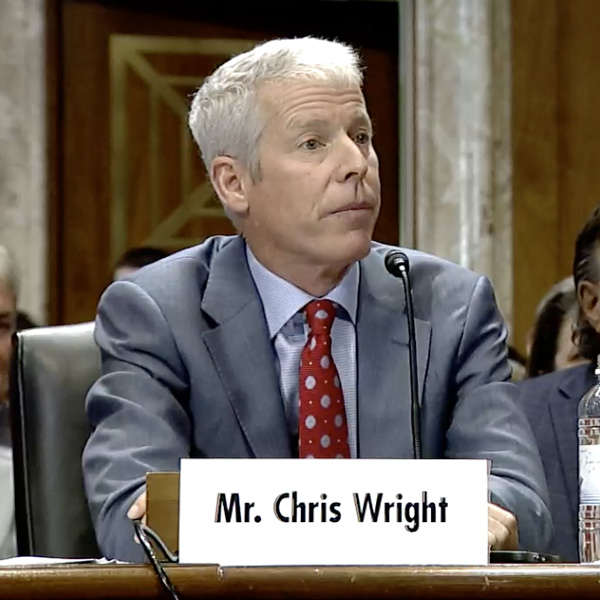
Energy Secretary Chris Wright testified about the Trump administration's budget request and took flak mostly from Democrats on his department's review of previously authorized spending.
© RTO Insider
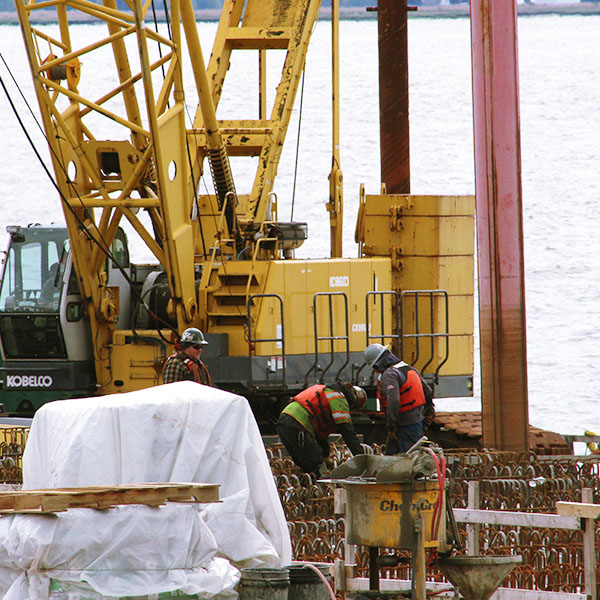
The sudden halt of the offshore wind sector has left states holding high-investment wind ports that for a while at least won’t be needed, raising questions about how states can use the pricey assets.

NYSERDA
Ørsted is pushing ahead with two U.S. offshore wind projects amid potential policy threats but halting development of a much larger U.K. proposal due to rising costs.
Want more? Advanced Search